I can build a simple 10×12 deck in about two to four weeks from sketch to final inspection, but concrete curing and permit approvals often extend timelines.
A basic platform with diamond piers skips the curing wait and lets me frame in four hours, while multi-level designs with built-ins can take six weeks or more.
Weather, soil conditions, and inspector schedules require extra days in the budget. The choices you make directly impact how quickly the project reaches completion.
How Long Does It Take to Build a Deck? (The Real Answer)
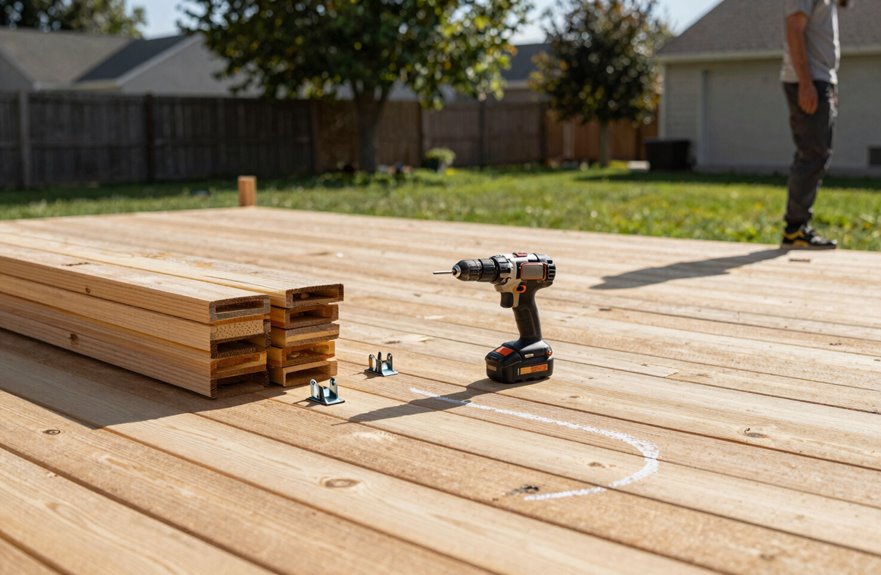
So, how long does it really take to build a deck? Most of us are looking at 2 to 4 weeks from that first sketch to the final inspection. That timeline is longer than many people hope for.
Here’s what actually happens. Permitting alone can eat up days or even weeks, and you can’t skip it unless you enjoy tearing things down later. Then come the footings. If you’re pouring concrete, add curing time to your timeline. Weather doesn’t care about your weekend plans, and inspections have their own schedule.
A pro crew might bang out framing and decking in a single day for something simple, but footings and ledger work stretch things out. Concrete needs time, and rushing it means cracks you’ll regret.


What Changes Your Deck Build Timeline? 7 Factors That Matter
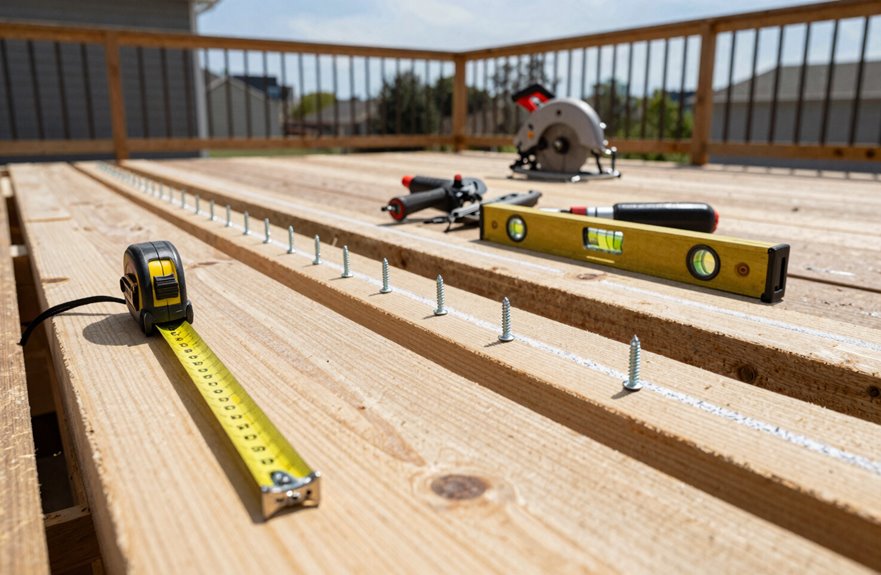
That 2-to-4-week timeline is a starting point, because your actual build depends on factors that can speed you up or slow you down significantly.
That 2-to-4-week timeline is just a starting point—your actual build depends on factors that can speed you up or slow you down significantly.
Here’s what really changes the game:
- Size and complexity – A simple 10×12 platform takes maybe a day. Multi-level designs with built-in seating require weeks of work.
- Weather – Rain, extreme heat, or freezing temps mess with concrete curing and decking install. Local climate conditions directly impact your schedule.
- Permits and inspections – These can extend timing by days or even weeks, depending on your local office’s backlog.
Crew experience matters too. Professional crews complete framing quickly while DIYers learn as they go. Your foundation choice also shapes timing; helical piers skip the concrete curing wait entirely. Every decision directly impacts your real-world timeline.

Self-Drilling Point: Together, coarse screw threads and a self-drilling point design eliminate the need for a pilot hole


Package Information: 25 counts framing nails provide you with a sufficient supply for multiple projects, with a length of approximately 3 inches and a diameter of 0.131 inches, 21 degree ring handle electric galvanized plastic with sheath nails, suitable for a wide range of applications, including construction and woodworking
How Long Does Deck Design and Planning Really Take?
This phase usually takes me and most homeowners about 1 to 2 weeks from first chat to final approval. I sit down with you and we talk about your vision, maybe it’s a cozy 12×16 foot cedar deck or something bigger with multiple levels. We look at materials, check out 3D renderings, and flip through past projects for inspiration. This is how design planning works.
Timeline variability depends on complexity. A simple deck moves quickly. Adding built-in seating, pergolas, or fancy railings requires more time to nail down details. I always bring in pros to double-check codes and structural requirements because unexpected issues during construction create costly delays.
Once you sign off, we pivot straight to permitting. Local codes or HOA rules sometimes force design tweaks, which can extend the timeline. Making adjustments now prevents complications during the build phase.

Well-Woven Black PE Rattan: Crafted from hand-woven black PE rattan, this patio loveseat is anti-fading, sunproof and elegant. The wicker design offers exceptional longevity and maintains stylish look.

Premium Materials: Outdoor patio furniture crafted from high-density PE rattan, renowned for its exceptional toughness and resistance to aging, ensuring long-lasting durability without cracking. The sofa features a rust-proof steel frame constructed from thickened heavy-duty metal, offering robust load-bearing capacity and enduring resilience to withstand diverse outdoor conditions.

Premium Materials: Outdoor patio furniture crafted from high-density PE rattan, renowned for its exceptional toughness and resistance to aging, ensuring long-lasting durability without cracking. The sofa features a rust-proof steel frame constructed from thickened heavy-duty metal, offering robust load-bearing capacity and enduring resilience to withstand diverse outdoor conditions.
Why Deck Builders Book 10 Weeks Out (and How to Skip the Wait)
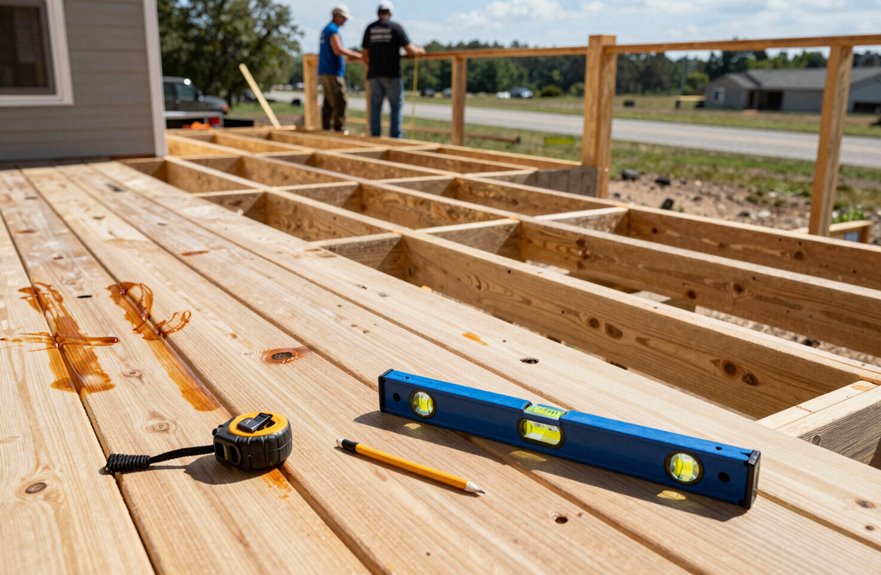
I’ve watched spring roll around and suddenly everyone wants a deck. That’s the reality when 80% of homeowners call between March and June, which is why I’m booking 10 weeks out right now. You don’t have to wait, though, because I’ve got some real strategies to fast-track your build.


Used Book in Good Condition

Peak Season Demand
Why does every spring feel like a race to get on a deck builder’s calendar? Peak season hits hard, and I’ve watched my friends lose weeks waiting for contractor availability while their summer plans crumble.
Here’s what actually happens when everyone’s scrambling at once:
- You call five builders, and four won’t even return your call
- Permits sit in stacks waiting for overworked reviewers
- Material orders get pushed back with everyone buying lumber at once
It’s exhausting. I’ve learned to beat this chaos by booking in February or March. Design work and site assessments happen early, locking my spot before the madness begins. Clear talks about scope and materials upfront save me from stressful back-and-forth later. Early planning keeps you in the circle instead of watching from outside.
Booking Timeline Reality
Three months sounds crazy until you see what’s actually happening behind the scenes. My own booking timeline stretched past 10 weeks due to several interconnected factors.
Your permits and design phase consumes significant time before construction begins. This includes measurements, material orders (such as Trex Transcend in 16-foot boards), and waiting on city approvals. Then there’s site prep, framing, decking, railings, and inspections. Each step stacks up sequentially.
Specialty materials create additional delays. Exotic Ipe boards can sit in a warehouse for weeks. Lead times don’t align with summer barbecue schedules.
The most effective strategy involves finding a builder with genuine capacity and design-and-build packages. These firms optimize the entire process. Your build timeline shortens when permits and sequencing occur under one roof. You avoid unnecessary waiting periods and can actually host that cookout on schedule.
Fast-Track Strategies
The waiting game gets old fast, and I’m guessing you’re itching to move forward. I’ve cracked the code on fast-track construction, and I’m sharing it with you because we’re in this together.
Here’s how I slash my deck build timeline:
- Pre-order materials – I line up lumber and fasteners before breaking ground so nothing stalls me mid-project.
- Pull permits early – I tackle permits and inspections first thing because backlogs kill momentum fast.
- Stage my crew smart – I run 3-4 person teams so piers and framing fly in 4 hours flat.
Weather and concrete curing still matter, but this sequence turns weeks into days. This approach eliminates delays and keeps your project on schedule.
How Long Do Permits Take? Days vs. Weeks by Location
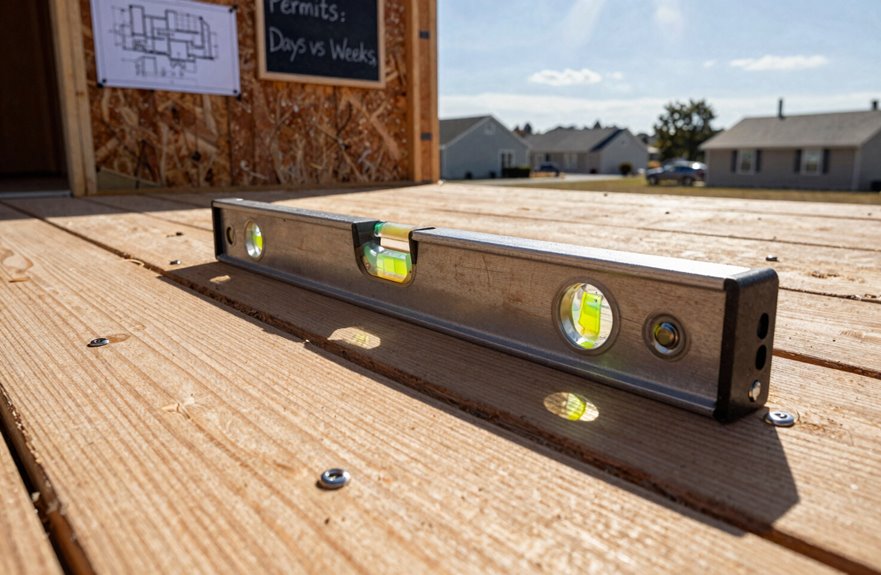
Where exactly does your deck live? That question affects your permitting timeline more than you might expect. I’ve seen permits approved in just a few business days, but I’ve also waited weeks when the local office faced a backlog.
Your timeline depends on your specific location. I always call my city or county office first because they know exactly what your area requires, and that saves time and complications later. Permits aren’t the only approvals you need. If you have an HOA, that’s a separate process, and they can add unexpected delays to your schedule.
I build my permitting timeline into my overall project schedule because revisions happen. When an inspector requests changes, I’m prepared. Planning ahead for these issues means you won’t scramble later, and your deck project stays on track with your community’s requirements.

Self-Drilling Point: Together, coarse screw threads and a self-drilling point design eliminate the need for a pilot hole


Package Information: 1000 counts framing nails provide you with a sufficient supply for multiple projects, with a length of approximately 2 inches and a diameter of 0.12 inches, 21 degree ring handle electric galvanized plastic with sheath nails, suitable for a wide range of applications, including construction and woodworking
How Weather and Site Conditions Delay Construction
I’ve learned the hard way that rain stops concrete pouring completely and turns your soil into a muddy mess that damages your footing timeline. Temperature swings also cause significant delays; I once waited an extra 48 hours for stain to cure because a cold snap hit right after applying Behr Premium Weatherproofing in 65-degree sunshine. You must watch the forecast carefully and plan for these delays, because weather conditions don’t adjust to your schedule.

Ergonomic Posture Support: Built with a supportive backrest and dual-height built-in footrests, these high chairs reduce leg strain during long breakfasts or evening conversations.

Inspired by bird's nest shape, the Erotr assembled cushioned sofa set for 5 person combines comfort, elegance and durability. Curved scoop armrest, supportive backrest and deep cushioning offer an enveloping ultimate relaxation
Rain Delays Pouring
How frustrating is it when you’ve got your lumber delivered, your crew ready to go, and then the sky opens up and everyone’s standing around in mud boots?
I’ve been there, friend. Rain delays everything, especially concrete pours. You can’t pour footings into soupy holes, and wet ground means extra prep time I didn’t plan for. What I’ve learned the hard way:
- One soaking can push your concrete pours back two or three days while you wait for the ground to firm up
- Curing takes considerably longer when it’s damp and cold. My 24-hour schedule became 72 hours once
- Repeated storms throw off your whole sequence, messing with inspections and material deliveries
Weather variability isn’t just annoying. It directly impacts your project timeline. I now build buffer days into every timeline because Mother Nature doesn’t check my calendar.
Soil Conditions Matter
Why didn’t anyone warn me that dirt could wreck my whole weekend? I learned fast that soil conditions aren’t just dirt; they’re critical to project success. My yard looked flat enough, but one probe revealed clay that held water like a bathtub. Suddenly my simple dig turned into real site preparation with grading, drainage pipes, and a whole lot of sweat.
Footing depth changes everything. Rocky subsoil or steep slopes mean deeper holes, bigger piers, and significantly more labor. I needed 24-inch footings instead of 12-inch ones, plus extra backfill. My permit got delayed when inspectors flagged drainage concerns. That “weekend project” extended into week three. Getting the foundation right means your deck won’t sink or shift, which prevents costly repairs and structural failure down the road.
Temperature Affects Curing
The weather doesn’t care about your schedule, and I learned that the hard way. I once poured concrete footings on a 95°F day thinking I’d beat the heat, but that temperature made everything go sideways.
Curing isn’t instant. It’s weather-dependent and tricky. What caught me off guard:
- Scorching heat speeds drying but cracks your finish. I watched my smooth surface turn rough.
- Cold snaps slow curing to a crawl. What takes 24 hours can stretch to 72.
- Rain shuts you down completely. No exceptions, no shortcuts.
I’ve learned to check forecasts obsessively. Summer warmth helps, but extreme heat needs protection like wet burlap or curing compounds. Your timeline isn’t just framing and decking; it’s concrete waiting, inspectors waiting, and you waiting. Build buffer days into your plan.
How Long Do Foundation and Framing Actually Take?
Wondering what actually happens once you’ve got your plan and permits sorted? Let me walk you through foundation and framing, where your deck starts becoming real.
Footings come first. Diamond piers can significantly reduce your timeline; under perfect conditions, you’re looking at about 4 hours total for footings and framing together. Traditional concrete footings, however, need curing time as a separate step. Don’t forget inspections either; they can add unexpected days if the inspector’s booked.
Framing alone typically takes my crew around 6 hours, though complex designs stretch that out. I always check my ledger lead times first because backordered materials will derail everything.
The sequence matters: footings and ledger, then frame, then you’re ready for decking. Complete this phase correctly, and you’re halfway through the project.


Wood vs. Composite Decking: Which Installs Faster?
So you’ve got your frame up. Now you’re ready to install decking. When choosing between wood and composite materials, installation time is a significant factor. Wood wins here. You can install those boards and cut them with a circular saw quickly. Composite, however, weighs considerably more and requires special hidden fasteners spaced with precision.
What I’ve learned from experience:
- Wood’s lighter, which reduces physical strain during installation.
- Composite demands precise spacing checks that slow the process down.
- Material delays hit composite harder; waiting weeks for Trex to arrive is common.
For small decks, wood installation often takes one day. Composite stretches to three or four days. The choice depends on your priorities: installation speed or the polished appearance composite provides.


Heavy Duty Structural Holding Power - #14 exterior deck screws designed for strong fastening in decking, fencing, framing, and other outdoor wood construction.
How Long Do Stairs, Railings, and Final Inspections Take?
Three major milestones stand between your deck’s surface and that first sunset cookout: stairs, railings, and the final inspection. This phase requires patience, but it’s where everything comes together.
| Task | Typical Time |
|---|---|
| Stairs installation | 1–3 days |
| Aluminum railing | 1 day |
| Post lighting/electrical | 1 day |
| Final touches + inspections | 1–2 weeks |
Your stairs take the longest because angles matter. One wrong cut means redoing stringers. Railings typically go up in a morning, but inspections create variables. Permitting offices move at their own pace, so build buffer time into every deck project. The complete phase runs 3–6 weeks total.
Can Any Deck Be Built in a Single Day?
I get asked this all the time. Can you really finish a deck in just one day? Yes, but only when you’re working with a tiny platform using something like diamond piers and a crew that really knows their stuff. Even then, you’re probably looking at 4 hours minimum for framing and decking if everything goes perfectly. Footings and inspections, however, are usually a whole separate issue that will stretch things out.

Same-Day Build Feasibility
How fast can you really build a deck? I’ve seen crews pull off a same-day build, and it’s pretty incredible. Same-day builds are possible under specific conditions.
A focused team can knock out piers and framing in about 4 hours. Add decking, and you’re looking at one solid day of work. Same-day build success depends on these factors:
- Your crew shows up ready to hustle — no coffee runs, no missing tools.
- The weather actually cooperates — rain kills momentum fast.
- Permits and inspections are already handled — these aren’t same-day friendly.
Most simple decks fit this window, but stairs, railings, and composite materials stretch things out. Projects frequently extend from a single day to the following weekend. Accounting for realistic timelines prevents scheduling conflicts and keeps expectations aligned with actual construction demands.
Foundation Speed Methods
Speeding through the foundation is critical to achieving a same-day deck. Foundation timing directly impacts your ability to complete the project within a single day.
Diamond piers are an effective solution for accelerating foundation work. They eliminate the concrete curing process and allow you to install your frame in approximately 4 hours. The process involves drilling, inserting the pier, and proceeding directly to building.
Local building codes present a significant constraint. If your jurisdiction requires concrete footings, you must wait for inspection approval before proceeding. The curing time required for concrete footings makes same-day completion impossible under these regulations.
Simple decks have been completed in hours using pier systems. However, terrain, weather conditions, and permit requirements remain limiting factors. Foundation method selection should align with your local code requirements and project timeline.
Experience and Crew Size
So you want to know if you can finish a whole deck in one day. Crew size changes everything.
- A solo builder? You’re looking at 2-3 days easy.
- Two friends working together? Framing duration drops to about 6 hours, and you might get decking done by sunset.
- A tight crew of 3-4 experienced builders? That timeline shrinks fast. You’re talking piers plus framing in 4 hours, maybe the whole project wrapped before dinner.
Even with perfect crew size, weather delays your plans. Permits sit on desks. Inspectors don’t rush for anyone. A simple deck can happen in one day, but only if you have both skills and favorable conditions working in your favor.
DIY vs. Pro Crews: How Experience Changes Build Speed
I often get asked whether to tackle a deck myself or call in the pros. The choice depends on how you value your weekends and your sanity.
When it comes to deck build time, professionals and DIY work show a significant difference. I’ve watched pro crews knock out framing in about six hours and wrap decking the same day, sometimes four hours total for small builds with the right crew size. Piers or helical piles make foundation work move faster.
Pro crews knock out framing in six hours and wrap decking the same day—piers and helical piles keep things moving fast.
Meanwhile, my DIY attempts have involved spending three days triple-checking every measurement. Skilled DIYers can absolutely succeed, but they move slower to avoid costly mistakes. Weather impacts progress more significantly for individual builders.
The trade-off is clear: pros offer predictable speed and reliable timelines. Building it yourself requires patience, but delivers genuine satisfaction from completing the work with your own effort.
Do Material Lead Times Delay Your Project Start?
Why do some deck projects sit idle for weeks before a single board gets cut? I’ve seen it happen, and it significantly impacts your timeline.
Material lead times can absolutely delay your project start before you even grab a hammer.
Here’s what I’ve learned:
- Exotic woods like IPE take significantly longer to arrive, sometimes 3-4 weeks longer than basic pressure-treated lumber.
- Composite decking might look ready, but special fasteners and hidden clips often hide in backorder limbo.
- That perfect railing system may be unavailable, and you’re left scrambling.
I always order deck materials the second permitting clears, sometimes even before. Early procurement prevents delays and keeps crews productive. Nothing costs more than paid workers standing idle because your 2x8s are stuck on a truck somewhere in Ohio.
Which Fast-Track Methods Actually Cut Build Time?
How quickly can you really get this deck done? Builders can complete a simple deck-building project in one day. Diamond piers are an effective fast-track option; they skip concrete curing and let you frame in about 4 hours total. That’s footings and frame, completed before lunch.
For smaller setups, you can finish footings, framing, and decking the same day if your crew is experienced. Timelines depend directly on your prep work. Install the ledger first, sequence everything properly, and verify your weather window. More experienced crews produce faster results.
Concrete footings will push you past one day. If speed matters, choose systems designed to move fast and maintain consistent deck-building progress.
How to Protect Your Deck Build From Costly Delays
I’ve learned that planning significantly improves your deck build timeline. Submit permit applications at least 6 to 8 weeks before breaking ground, since approval delays can derail your schedule while lumber deteriorates in wet conditions. Build weather contingency into your schedule by blocking off 20% extra time during spring months and keeping a 10×12-foot heavy-duty tarp (like the ones from Harbor Freight) ready to throw over exposed framing if storms roll in unexpectedly.
Permit Timing Strategy
Where exactly does your deck build tend to stall out? I’ve watched too many homeowners, myself included, get blindsided by permit delays that throw everything off track. Permits, approvals, and timelines aren’t just paperwork; they’re critical to your project’s success.
Here’s what I’ve learned the hard way:
- Call your city or county office first. Some permits clear in days, others drag for weeks.
- Check your HOA early. Those approvals add extra wait time that often gets overlooked.
- Map permits into your planning timeline. Footing, framing, and decking all depend on this.
I start permit research months ahead because backlogs happen. When you build buffer time into your schedule, you avoid the common pitfalls that delay projects. That early phone call eliminates unnecessary stress and keeps your timeline on track.
Weather Contingency Planning
Three weather delays nearly wrecked my last deck build, and I’m still frustrated about it. Rain soaked my concrete footings and heat waves turned my stain into sticky soup. Smart contingency planning prevents delays and keeps projects on schedule.
My buffer system addresses these weather threats:
| Weather Threat | What Gets Hit | My Backup Plan |
|---|---|---|
| Heavy rain | Concrete curing, framing | 3-day padding + tarps ready |
| Extreme heat (90°F+) | Stain drying, worker safety | Early starts, 2-day flex window |
| Freezing temps | Footing pours, decking install | Heated enclosures, 5-day hold |
I add 15% extra time to my schedule now. Weather happens, but delays don’t have to crush your project. Build in those buffers and you’ll maintain control over your timeline.
Your Complete Deck Build Timeline: Week by Week
Six weeks. That’s what you’re really looking at for a complete deck build, and I’m going to walk you through it so we can celebrate together when we’re done.
Six weeks to your dream deck—let’s celebrate every milestone together.
Week 1–2: I nail down my design and submit my permits. Without those permits, my timeline gets wrecked, so I hustle here.
Week 3–4: I’m waiting and pacing for approvals. This part tests my patience, but it’s essential.
Week 5: My crew shows up. We pour footings and frame fast, 4 hours for piers, but concrete needs days to cure. I check weather obsessively; rain ruins everything.
Week 6: Decking installation happens. 3–5 days of real progress I can actually see. Then finish work, maybe a day, maybe longer.
What keeps me sane:
- My deck becomes our gathering spot
- I’ve earned every single board
- We’re building memories, not just lumber
You belong here too.