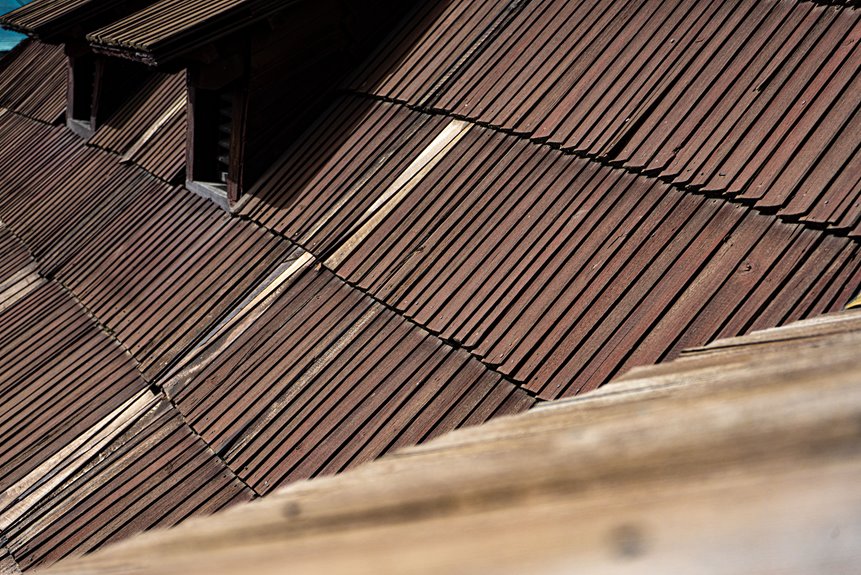
Roof decking is the solid boards or panels that form your roof’s foundation. It’s the flat surface fastened to your rafters that holds everything up. Common materials include OSB, CDX plywood, metal, and concrete options that prevent leaks and withstand snow, wind, and severe weather. Without solid decking, your shingles lack proper support, which compromises the integrity of your entire roof system. Identifying damage early and selecting appropriate materials for your home’s climate and structure are critical steps in roof maintenance.
What Is Roof Decking and Why Does Your Roof Depend on It?
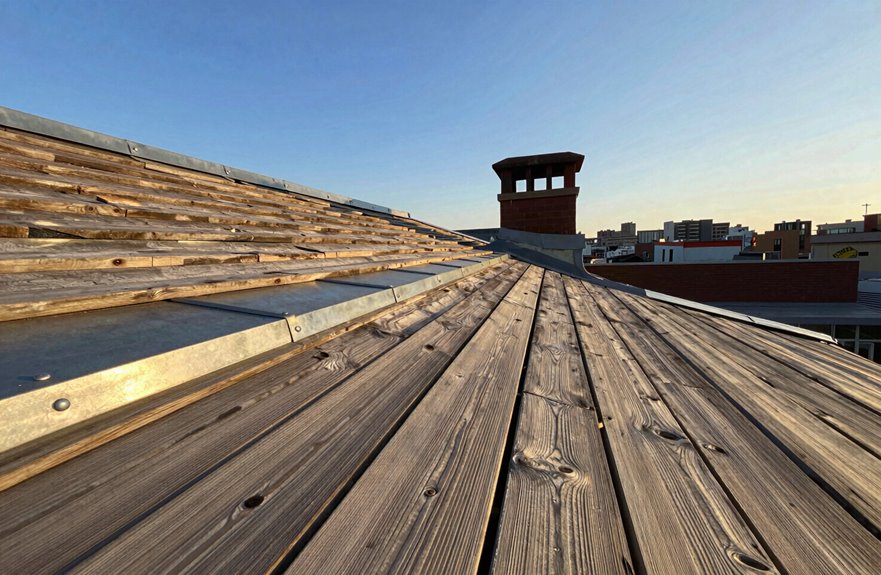
Why does your roof even need a foundation? I’m talking about roof decking, the flat boards or panels fastened right to your rafters. It’s the hidden hero that holds everything together.
Think of it this way: without solid roof decking, your shingles can’t grip, your underlayment can’t seal, and you’re basically inviting leaks to the party. Nobody wants that. I’ve seen what happens when decking fails: nails pop loose, shingles lift, and suddenly you’ve got water where it doesn’t belong.
Your roof decking provides crucial structural support, spreading weight from snow and wind across your whole frame. Plus, quality decking gives you moisture resistance that protects everything above and below. It’s like the difference between standing on solid ground versus a wobbly chair. Your whole roofing system depends on getting this right.

You Will Receive: 100 pieces of drywall repair clips; This large quantity not only suffices for your roofing project, but is also proper for any sort of project requiring substantial plywood clippings; The versatile nature of these clips allows you to share it with friends or family for their various creating or mending needs

Package Includes: 100 pieces of h clips for 1/2 plywood; not only sufficient for your roofing project, but also suitable for any sort of project requiring substantial plywood clippings;You can share them with friends or family for their various creating or mending needs

Product Composition: this product contains 150 black dryboard repair clips, a sufficient quantity to meet your roofing project needs, and also suitable for projects requiring a large number of plywood clips; It can be shared with friends or family to meet their various fabrication or repair needs
Roof Decking Materials Compared: Wood vs. Metal vs. Concrete
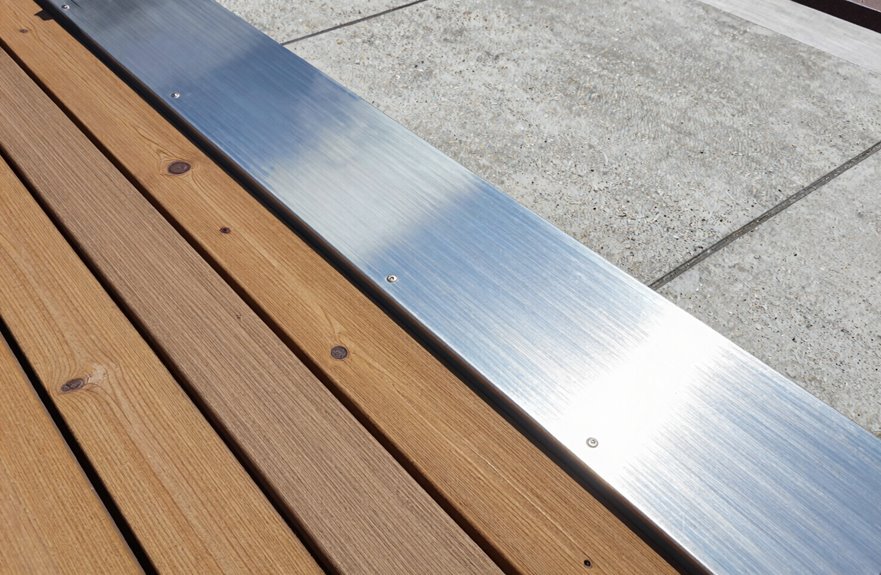
I want to walk you through the three main roof decking options you’ll encounter: wood, metal, and concrete. Selecting the right material directly impacts your roof’s structural integrity and long-term performance. Wood decking like OSB and CDX plywood remains the standard choice for residential construction. Metal offers superior strength characteristics, while concrete provides exceptional durability. Each material has distinct advantages for different project requirements, allowing you to make an informed decision based on your specific needs.

[High-Quality Material]: The multi-functional metal roof panels are made from premium galvanized steel sheets, featuring UV resistance, colorfastness, sturdiness, durability, corrosion resistance, and adaptability to various climates

【Product Specification】The Metal Panels' Dimensions/Per Pieces:42.52" x 17.72" (L x W); Thickness:0.01"

Generous Supply for Extensive Use: our large package boasts an impressive 10 strips, each measuring 36 inches of black foam,The 9-inch spacing meets the standardized requirements for installation.This ample supply ensures you'll have enough for a variety of applications and long term use
Wood Decking Basics
How do we kick things off when choosing roof decking? Most homes use wood decking as the standard option.
Wood decking includes plywood, OSB, and tongue-and-groove boards. OSB saves money and installs quickly, but it can swell at the edges when water sits too long. Plywood costs about double but dries quicker and stays flatter, making it a more durable choice over time.
Here’s how they stack up:
| Feature | OSB | Plywood (CDX) |
|---|---|---|
| Cost | Cheap! | About 2x OSB |
| Moisture handling | Swells and warps | Dries faster, more stable |
| Installation | Super easy | Pretty easy |
| Best for | Tight budgets | Long-term durability |
Both provide excellent nailing surfaces for shingles. Wood does have lower fire-resistance compared to other materials, but for pitched roofs in typical homes, it remains the standard choice.
Metal Decking Advantages
Metal decking delivers substantial structural benefits to your roof. Metal decking combines fire resistance with robust structural strength, providing protection and performance in a single system.
Profiles like 1.5 B (Wide Rib) and 3.0 N (Deep Rib) allow you to span wider distances than wood can accommodate. This means significant load capacity without the weight penalty. Your insulation and weatherproofing receive a solid platform.
Metal decking requires higher upfront costs. However, you eliminate rot, mold, and associated maintenance problems over time. In fire-prone or windy zones, the long-term savings justify the initial investment. Available finishes include galvanized, primed, or painted options, all of which perform reliably for decades.
Concrete Decking Applications
While metal decking handles most jobs beautifully, sometimes you need something that performs reliably in hurricanes and resists fire effectively. That’s where concrete decking comes in.
Concrete decking suits projects requiring exceptional longevity. Poured slabs or precast planks weigh more but deliver superior durability and the highest fire ratings available. The thermal mass maintains steady temperatures, and the sound dampening properties make it ideal for roof gardens and green roofs.
Concrete decking requires flat or low-slope roofs and substantial foundations. Installation demands experienced crews and represents a significant investment. The moisture resistance justifies the cost; concrete resists rot, mold, and degradation. Concrete decking is the appropriate choice for commercial buildings and structures in high-risk environments where system failure cannot be tolerated.
5 Warning Signs Your Roof Decking Is Failing (Check Your Attic First)
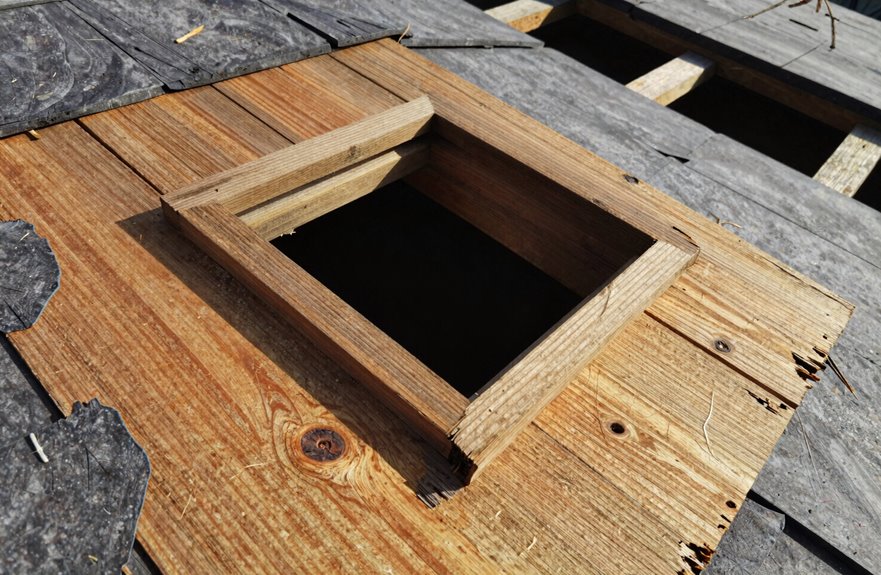
From the attic, you can spot trouble before it crashes through your ceiling. Look for these specific warning signs.
First, grab a flashlight and scan your roof decking for dips or swells. These bumps and sags indicate structural failure is developing. Next, check for moisture damage. Damp insulation, water stains, or mold on rafters are clear attic signs that your decking needs attention.
If you see daylight peeking through holes or spot dry rot near the roofline, take action immediately. Compromised decking won’t hold shingles much longer. Mold on your ceiling indicates your decking has failed.
Spot these five warning signs early, and you’ll avoid costly repairs later. Your attic provides clear evidence of roof decking failure; you just need to inspect it properly.

Sturdy and Durable Construction: Heavy duty steel construction makes this deck board bending tool strong and sturdy. Orange powder coated, rust proof and durable. Non-slip roller grip design makes the deck straightener tool efficient and well straightening

[MATERIALS]: The wall planks are made of laminated wood plus pine with authentic grains and knots. This process delivers unmatched stability that resists warping and cupping. Each plank showcases genuine wood grain, rich pine scent, and unique character.

Does a New Roof Mean You Need New Decking?
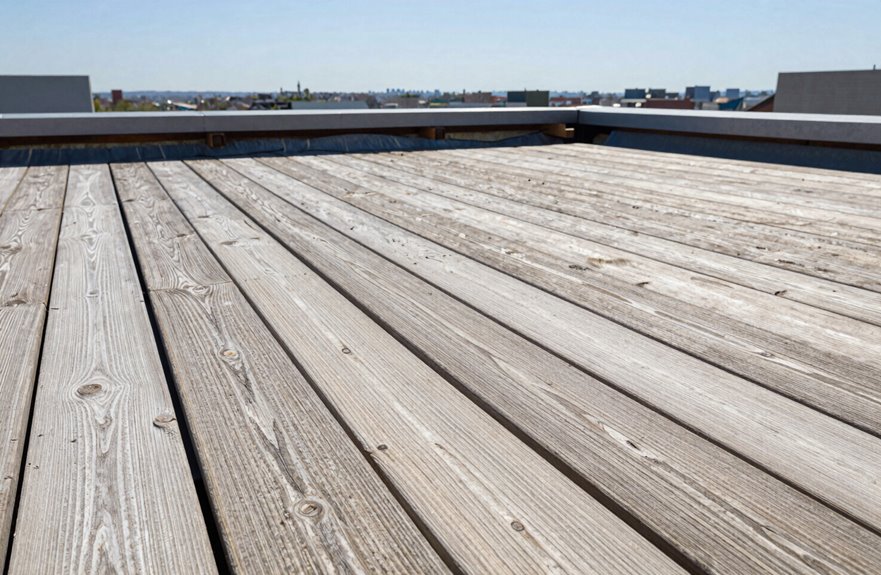
So you’re getting a new roof and wondering if that means tearing out your decking too. Nobody wants surprise costs. A roof replacement doesn’t automatically require decking replacement, but you can’t skip the inspection. Water damage is the sneaky villain here, and once we tear off those old shingles, we might find soft, rotted spots hiding underneath. That’s when roof replacement integrity comes into play because codes and manufacturers demand a solid base for your new shingles. Damaged decking can’t hold nails properly, and that creates serious problems. Sometimes we spot trouble from the attic first, but the full story usually waits until tear-off day. If we find damage, your quote shifts, but fixing it now prevents bigger problems later.

Easy to snap together, kids can even do it

Durable PVDF Surface - Fluorocarbon (PVDF) film provides long-lasting weather resistance, smooth water runoff, and strong surface protection for outdoor use.

[Versatile Adjustability] This gripper boasts the capability to adjust to concrete slabs of up to 24 inches, offering versatility and adaptability to different job requirements.
What Happens During Roof Decking Replacement?
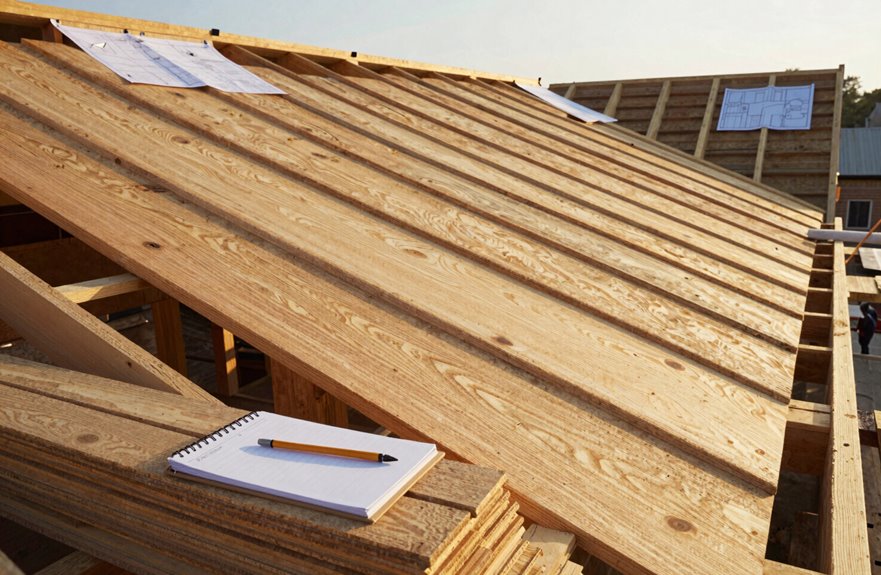
Let me walk you through exactly what happens when I replace your roof decking.
First, I inspect everything before we tear off your old roof. Moisture damage loves hiding under loose shingles, and I don’t want surprises. If the rot covers more than 15-20% of your deck, full decking replacement makes sense. For smaller spots, I’ll patch just those areas.
I inspect everything first because moisture damage hides under loose shingles, and surprises cost everyone time and money.
I’ll remove the damaged sheets and install fresh OSB or plywood. Thickness matters here. Most homes need 7/16-inch OSB or 1/2-inch plywood, but I check what’s there first and match it.
I secure everything with proper fasteners, follow local permit rules, and document everything for your warranty. Costs go up with replacement, but you’re getting a solid foundation that will last for decades.

FITS 3/4 IN. PANELS: Press-on sheathing clip sized for 3/4 in. plywood and OSB; braces unsupported roof and floor sheathing edges where adjacent panels meet edge to edge between rafters or trusses without a supporting framing member underneath

INSTALL SIDING, SHEATHING, PLYWOOD BY YOURSELF EASILY

How Can You Extend Your Roof Decking’s Lifespan?
Now that I’ve walked you through replacing damaged decking, you’re probably wondering how to keep the new stuff in great shape for years.
Check your attic twice a year in spring and fall. Catching moisture damage early stops rot before it spreads. Proper attic ventilation keeps air flowing and fights moisture buildup that wrecks decking materials.
When I install decking, I use code-approved 5/8″ plywood or OSB with the right span rating. I nail it properly so nothing loosens later. I fix leaks quickly instead of hiding them under new shingles, which leads to serious structural problems.
Keep your roof clear of debris and standing water. Your decking stays dry, and you avoid expensive repairs.
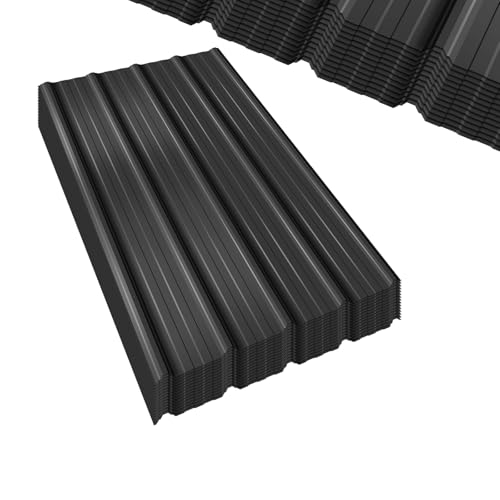
Thicker Panel Design Boasting a 0.013-inch thickness, our panels surpass common market offerings for superior rigidity. Constructed from a galvanized steel substrate, they provide exceptional resistance to corrosion and UV rays, ensuring reliable long-term performance even in demanding environments.

[High-Quality Material]: The multi-functional metal roof panels are made from premium galvanized steel sheets, featuring UV resistance, colorfastness, sturdiness, durability, corrosion resistance, and adaptability to various climates

[High-Quality Material]: The multi-functional metal roof panels are made from premium galvanized steel sheets, featuring UV resistance, colorfastness, sturdiness, durability, corrosion resistance, and adaptability to various climates