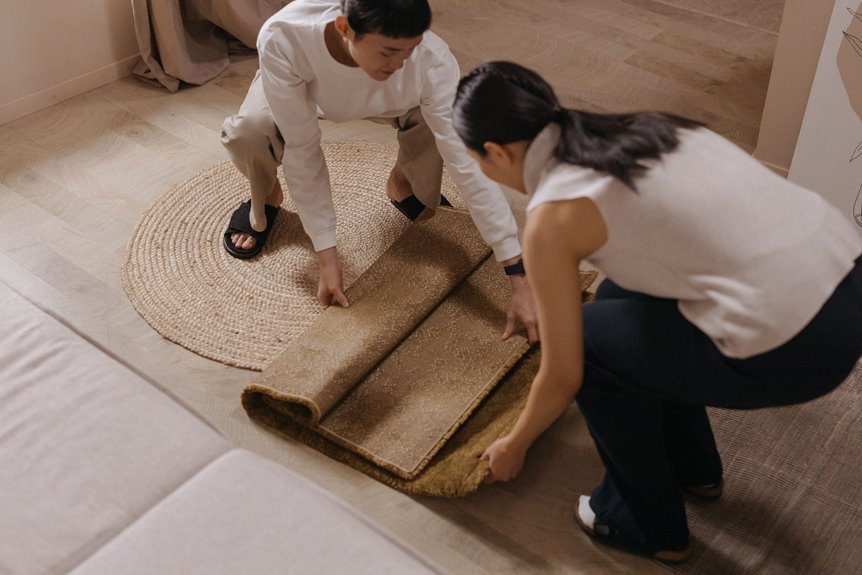
You don’t need matching rugs to pull your space together; coordinating colors work just as well. After buying two identical 8×10 Ruggables, I found my rooms felt like a furniture showroom.
Now I mix similar tones with different patterns, such as a bold 8×10 in the living room and a subtler 6×9 in the dining area. I leave 6–8 inches between them so everything flows.
Layer textures with natural jute or add contrast through curtains to create an intentional, cohesive look without everything feeling overdone. Multiple small design choices combine to create visual harmony across connected spaces.
Matching vs. Coordinating: Which Strategy Works for Your Space?
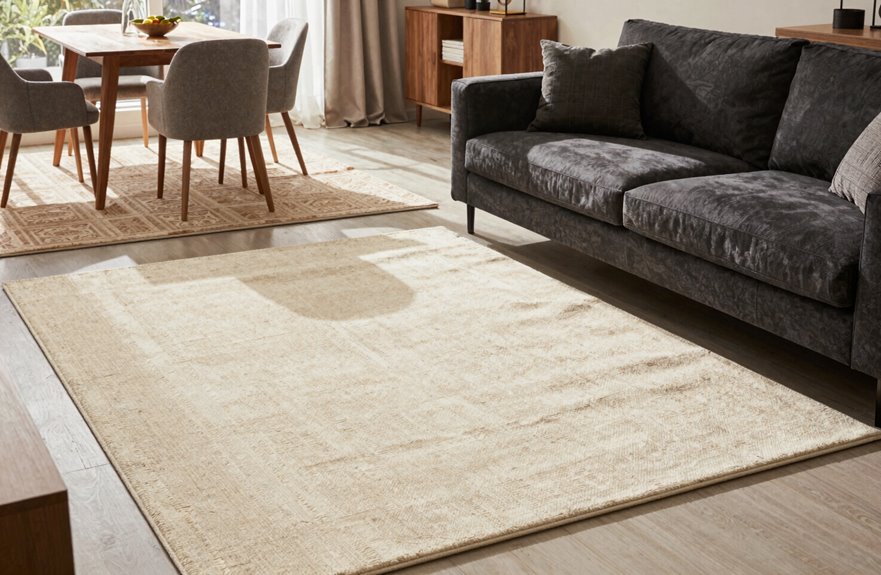
How do you begin choosing between matching rugs or coordinating them? Many people face this question when designing an open-plan space.
Your rug choice depends on what works for your home. Michelle Konig suggests coordinating without exact replication, such as using similar colors but different scale or pattern between your living room and dining area. This approach maintains cohesion without appearing overly finished.
Coordinate rugs through complementary colors and varied scales—maintaining cohesion without appearing overly finished.
Donna Fay makes another valid point: consistent colors with varied patterns can work effectively. Jo-Ann St Andre Sabbagh notes that identical rugs can create flow when both spaces are visible together.
One strategy is coordinating pieces that complement each other; the same design vibe with different personalities. You will recognize the right choice when you compare your options side by side.

New & Improved Area Rug With More Cushioning – Our new inner layer is 25% thicker than the previous material, giving this 8x10 area rug a softer, more cushioned feel underfoot. Made for families who spend time on the floor, it adds extra comfort for playing with the kids, reading, relaxing, or simply walking barefoot at home

Machine Washable Rugs: This washable rug is designed for easy cleaning. Small liquid stains can be wiped away with a damp cloth, and dust can be easily removed with a vacuum cleaner. For deeper cleaning, simply toss the rug into the washing machine to restore its fresh, clean appearance. The 8x10 washable rug is perfect for busy households

TIPS:When the area rugs arrive there will be some creases at the beginning, please don't worry, gently smooth them out,flatten them on the floor and walk around, the creases will disappear in a few days.
When Identical Living and Dining Room Rugs Actually Work
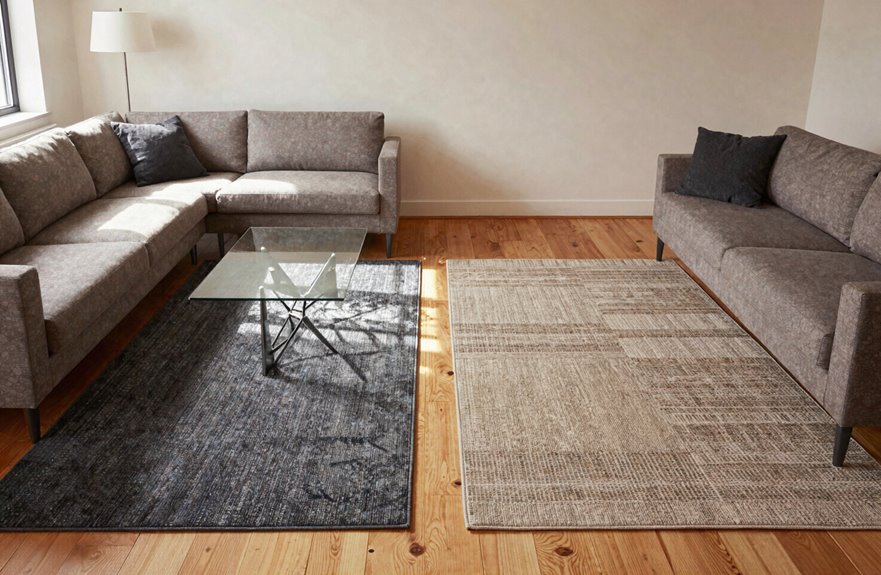
While coordinating rugs keeps things interesting, sometimes a seamless, pulled-together look requires identical rugs in open-plan spaces. Using the same rug in living and dining areas creates visual boundaries without interrupting the flow.
This approach works best when:
- Your space relationships demand unity, with both rooms visible from your sofa
- You want a cohesive look that demonstrates intentional planning
- Pattern variation in pillows and art keeps things lively elsewhere
- You’re telling one design story across connected zones
- You balance the coordination with different textures on furniture
Identical rugs work best when you add contrast through curtains or throws. This prevents the overly matched appearance some designers caution against. If your rooms feel like coordinated spaces rather than duplicates, the design succeeds.
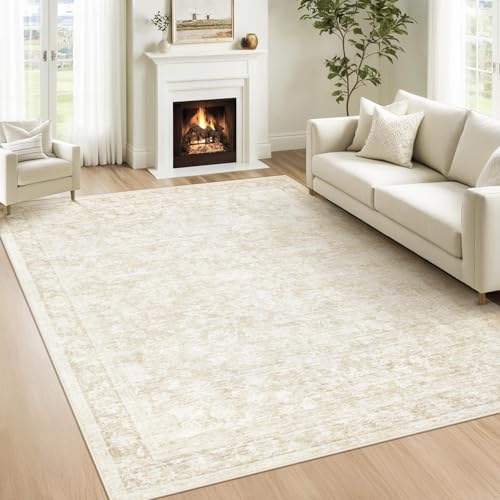
Machine Washable Rugs: Cleaning is a breeze with our machine washable rug. Small liquid stains can be wiped away with a damp cloth, and dust can be easily removed with a vacuum cleaner. For a thorough deep clean, simply toss it into the washing machine, and you'll have a fresh, clean rug in no time

Timeless Classic Design Rug: Featuring an elaborate traditional pattern and harmonious color palette, these 6x9 area rugs bring artistic elegance to the interior. The versatile design works with various decor styles from vintage and bohemian to contemporary, making it suitable for living room, bedrooms, dining room, hallway, kids' playrooms, or home offices. Built to withstand daily use while maintaining its visual appeal, these rugs for living room 6x9 combines durability with timeless beauty

Material: microfiber, TPE| Pile: about 0.25 inches | Sizes: 5x7ft, 6x9ft, 8x10ft, 9x12ft. Area rug may contain creases upon arrival. Please allow time for creases to flatten and settle | Color: Multi
Build Your Color Palette: Complementary Tones That Unify
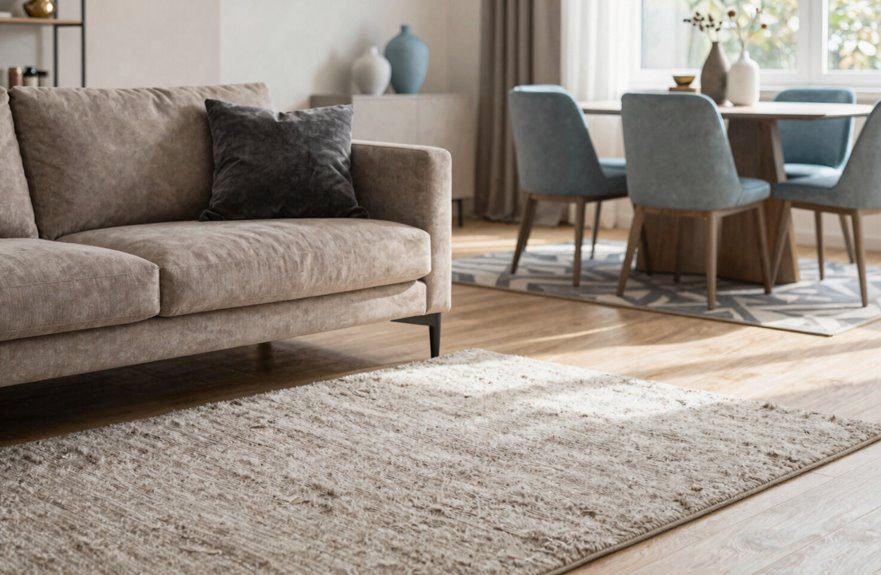
I get excited when I find the perfect color combo that ties a whole room together. Start by picking one neutral base, like the warm beige in the Safavieh Natural Fiber NF114A 8′ x 10′, and build from there. You can pair a solid 6′ x 9′ jute rug under your dining table with a patterned 8′ x 10′ area rug in the living room, and they’ll look incredible together as long as they share those same undertones. When you step back and see how two different rugs can feel totally connected without being twins, the unified effect becomes clear.

[COLOR & DESIGN]: SAFAVIEH's Natural Fiber area rug features a chunky, loop-woven jute texture in a soft neutral tone; actual color may appear darker or lighter than shown, depending on lighting and screen settings.

[COLOR & DESIGN]: SAFAVIEH's Natural Fiber area rug features a chunky, loop-woven jute texture in a soft neutral tone; actual color may appear darker or lighter than shown, depending on lighting and screen settings.

[COLOR & DESIGN]: SAFAVIEH's Natural Fiber area rug features a chunky, loop-woven jute texture in a soft neutral tone; actual color may appear darker or lighter than shown, depending on lighting and screen settings.
Choosing Unified Color Schemes
Where do you start when you’re staring at two empty floors and a whole rainbow of rug options? In open-plan homes, color coordination is essential for achieving a unified look across adjacent spaces.
First, grab a neutral base from something you already own, maybe that navy sofa or those taupe dining chairs. This becomes your anchor for a cohesive color palette across adjacent spaces.
Here’s my go-to checklist:
- Pick one primary tone and repeat it in both rooms
- Mix patterned vs solid rugs when complementary tones match
- Use 8×10 living room rugs with 6×9 dining rugs for balanced scale
- Layer in textures, not just colors
- Let existing accents guide your choices
You’re building connection, not cloning.
Balancing Complementary Tones
Harmony isn’t about playing it safe. It’s about finding colors that actually talk to each other. When styling rugs in open-concept spaces, reach for complementary tones that weave everything together.
Start by picking ONE shared dominant color, maybe a warm terracotta or cool navy, and run it through both areas. Pair a bold geometric 8×10 rug in the living room with a subtler sisal-weave 6×9 in the dining space. Same color family, totally different vibes.
For open-plan living spaces, mix patterns in the same color family (think coastal blues: stripes here, florals there). Neutral foundations like Chunky Natural Jute provide flexibility when you want to swap pillows later. This approach creates cohesive flow and real unity without everything looking identical.
Mix Patterns Across Rooms Without Clashing
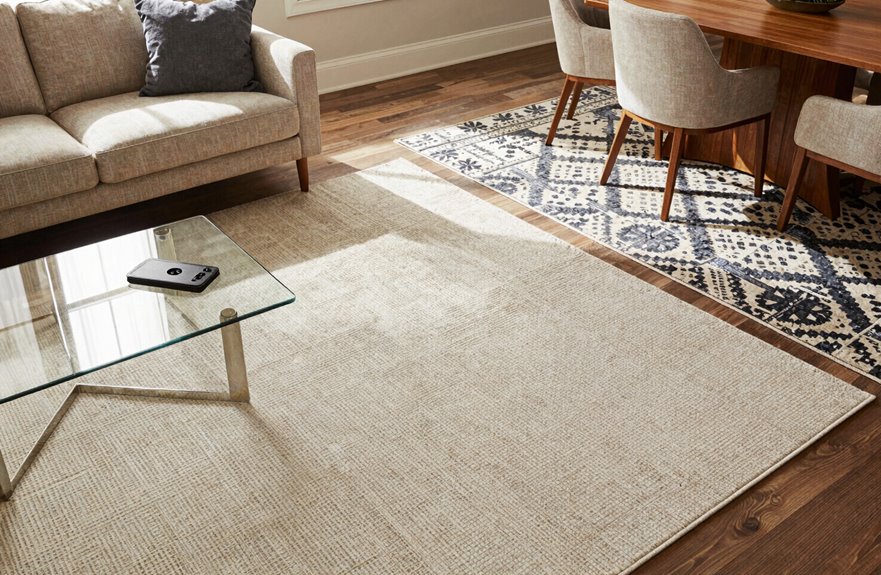
When picking rugs for my living room and dining room, I used to panic about making everything match perfectly. Mixing patterns actually makes your open floor plan feel layered and lived-in, not stiff. Here’s how to pull it off:
Stop obsessing over matching rugs—mixed patterns make open floor plans feel layered and lived-in, not stiff.
- Stick to a cohesive color palette so different patterned rugs feel related
- Use scale variety; try a bold 8×10 floral in the living room and a subtle 6×9 stripe in the dining area
- Layer rugs with natural jute underneath to add texture without fighting for attention
- Balance visual interest by pairing one busy pattern with something calmer
- Focus on defining spaces through color connection, not identical twins
Your rooms will feel like they belong together without being boring.

Ivy Vine Design Rug features an elegant, nature-inspired pattern that brings a touch of sophistication and charm to any room.

Used Book in Good Condition

【Ideal for small spaces or rooms with limited natural light】The neutral palette (predominantly white and beige) pairs effortlessly with both dark and light furniture, as well as vintage or modern accents — minimizing the guesswork and risk of mismatched decor. The light color palette and vintaget pattern help visually expand the space, while avoiding the flatness of a solid-color rug — making even compact areas feel open and airy.
Rug Shapes That Define Living and Dining Zones
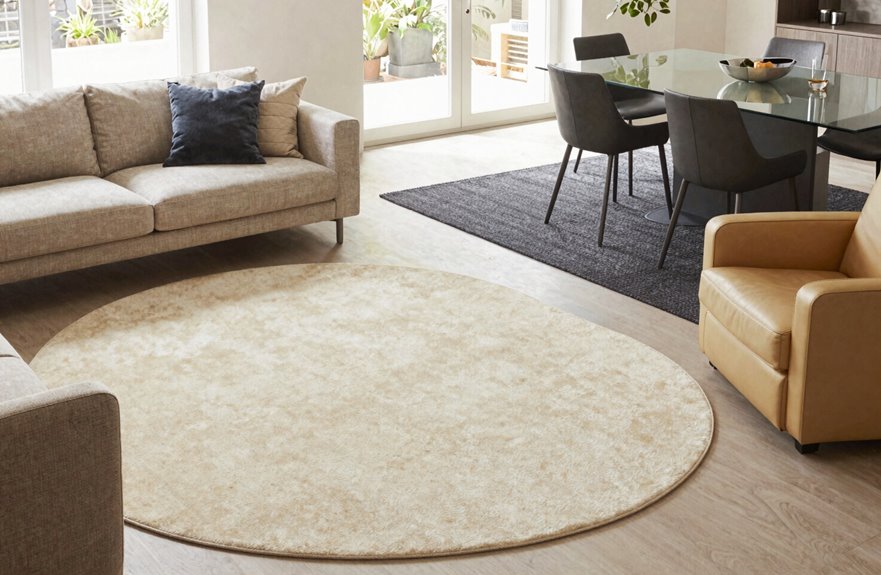
Why does rug shape matter so much? In your open-concept space, rugs work like magic wands to define zones without building a single wall.
I always pick rectangular rugs for my dining area because they give chairs room to slide out, about 24 inches past the seats. For my living area, I grab a big rectangular rug or square rug that catches all my furniture legs, and suddenly my couch and chairs feel connected.
A round rug softens sharp corners and creates a circle where everyone naturally gathers.
When you pair shapes across spaces, perhaps a rectangle in the dining zone and a round rug nearby, you get that cohesive look without everything looking cloned. Each spot keeps its personality while maintaining visual balance across your home.

Vintage Brown Style:Featuring classic vintage brown tones and retro patterns, this 6x9 area rug blends seamlessly with modern, farmhouse, rustic and traditional home decors. It elevates the aesthetic of living rooms, dining rooms, bedrooms and spaces under kitchen tables, adding warm, cozy ambiance to every corner of your house.

Exquisite Floral Design: Enhance your home decor with this exquisite modern flower round rug. The charming floral pattern makes this rug a versatile piece that can complement a variety of interior design styles

Precise size is 7'10" x 10' (nominal 8'x10'); we recommend measuring your room before purchase; allow for minor color variations in natural daylight or indoor nightlight due to high-quality textile fibers.
Rug Materials: Durable for Dining, Soft for Living
How do I keep my dining rug looking fresh when spaghetti night gets messy? I grab maintenance-friendly fibers like seagrass or polypropylene for my dining rug because they wipe clean in seconds. For my soft living-room rug, I choose wool or cotton that feels amazing underfoot.
In my open-concept space, I’ve learned that pile height distinction works effectively. Here’s my go-to strategy:
- Choose durable rug materials for dining zones that handle spills and chairs sliding
- Layer a neutral base with coordinating textures to tie rooms together
- Pick wool to anchor seating areas in living zones; it’s cozy and tough
- Use jute or sisal for natural vibes, but watch those red wine spills
- Mix fibers that match in color but differ in feel for subtle zone definition
This balance keeps my home both practical and welcoming.
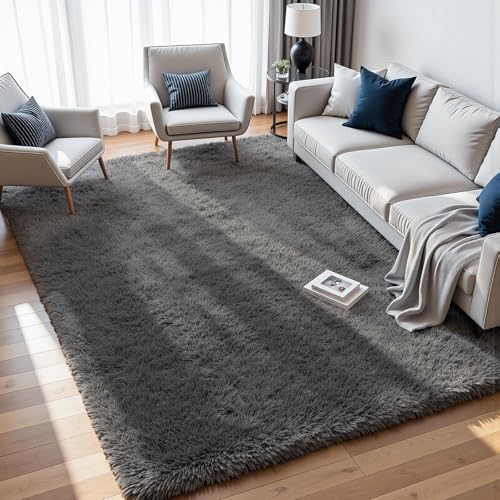
[Ultra Soft Fluffy Area Rugs for Living Room] 8x10 living room rug treat your feet to cloud-like comfort with our ultra-soft, high-density 1.7-inch plush microfiber pile—designed to stay fluffier longer without shedding. Whether walking, sitting, or lying down, each step feels luxuriously soft. Eco-friendly fibers resist matting, keeping the plush texture season after season. Ideal for bedroom, living room, or nursery.

Soft Material and Elegant Design: This 8x10 beige area rug offers designed for comfortable everyday use. Crafted from ultra-soft microfiber, it feels plush and gentle underfoot—providing a plush, cloud-like feel—offering a noticeably plush feel underfoot. Perfect living room or high-traffic areas, its central pattern elegantly blends bohemian and vintage styles. Designed to complement any interior decor, it seamlessly integrates with your home furnishings.

Machine Washable: The short pile design of this washable rug is easy to maintain using a robotic vacuum cleaner. The area rug is also machine-washable for fast and hassle-free cleaning. After washing, a low-temperature iron can help to keep the living room carpet’s surface flat and smooth
How Much Space to Leave Between Adjacent Rugs
I’ve got my materials picked out and my rugs laid down, but now I’m staring at the gap between my dining and living zones.
I leave several inches of breathing room, usually 6 to 8 inches, between my living room and dining room rugs. This spacing keeps my zoning clear while maintaining cohesive flow.
Too tight and my furniture layout feels cramped. Too wide and the rooms feel disconnected. I adjust based on my actual rug sizes and walk around to test traffic patterns. Getting this right makes my whole space feel intentional and pulled together.
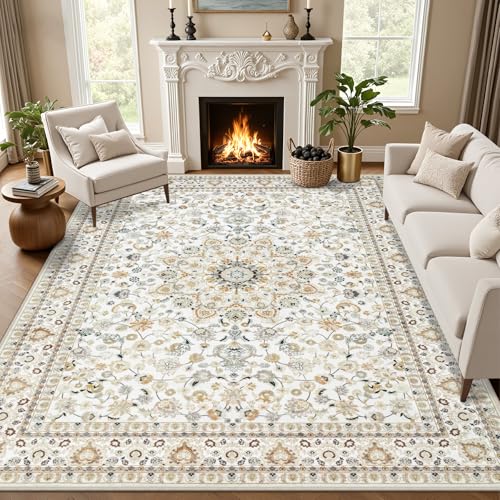
Timeless Classic Design Rug: Featuring an elaborate traditional pattern and harmonious color palette, these 6x9 area rugs bring artistic elegance to the interior. The versatile design works with various decor styles from vintage and bohemian to contemporary, making it suitable for living room, bedrooms, dining room, hallway, kids' playrooms, or home offices. Built to withstand daily use while maintaining its visual appeal, these rugs for living room 6x9 combines durability with timeless beauty

PET FRIENDLY & NON-SLIP BACKING-6x9 area rugs featuring simple of colors while promising a luxurious feel underfoot. The blend of a hexagon pattern and a stylish design. Non-slip TPR backing makes the covering for bringing your space together. Make the most of your time at home with our pet-friendly and easy-to-clean area rugs. Elevate the floors of your home with this show-stopping and detailed rug

Traditional and Vintage Aesthetics Rug: Our area rug showcases traditional patterns, classic colors, and decorative elements, making it suitable for various home styles
Layer Rugs for Depth: When Two Rugs Beat One
Sometimes one rug just isn’t enough to pull a room together, and that’s where layering comes in. In my open-plan space, I’ve discovered that layered rugs create instant depth and cozy zones that make everyone feel at home.
Here’s my go-to formula for nailing this look:
- Start with a large base rug (like a 9×12 jute number) that anchors both your living and dining areas
- Add a smaller 5×8 top rug with bold patterns or colors that tie into adjoining spaces
- Keep cohesion by sharing one dominant color between your base and top layers
- Build contrast through texture; think natural fibers plus something plush
- Leave 12-18 inches of visible base rug around your top layer so nothing feels crowded
This layering technique transforms flat rooms into inviting spaces where friends actually want to linger.


Rug measures 22 x 60" (approximately 0.5" thick), made of durable 100% Jute, a shiny vegetable fiber spun into coarse threads.

[DURABLE QUALITY HANDMADE CONSTRUCTION]: Hand-woven by skilled artisans for a truly unique textured look and feel
Where to Find Rugs That Actually Coordinate
I get excited when I find rugs that actually coordinate. I always start at Ruggable because their 8×10 washable options let me test bold patterns without worry, and their app shows me exactly how colors pair before I buy. For tricky matches, I grab free swatches from Revival Rugs and lay them side-by-side in my actual light. No more guessing if that terracotta reads orange or brown at 3 PM.
My go-to trick involves screenshotting rugs I love, then uploading them to Coolors.co to pull out the exact hex codes. I take those codes straight to Boutique Rugs’ filter tool to find coordinating pieces that share those tones but switch up the scale.

Light Beige Color: Features a light beige tone that brings warmth and versatility to complement various interior design styles and color schemes

Maintain Your Rug with Ease: Vacuum regularly and spot clean as needed. For best results, avoid using a vacuum with beater bars to protect the rug’s fibers. Not Machine Washable.

Ivy Vine Design Rug features an elegant, nature-inspired pattern that brings a touch of sophistication and charm to any room.
Rug Shopping Resources
Where do you even start when you need two rugs that actually talk to each other? I’ve been there, staring at endless area rugs online, worried they’ll clash in my open-concept space.
- Start with stores that let you order swatches first.
- Look for sites with “shop the look” collections featuring two complementary rugs.
- Find retailers offering customization in size and color: 6×9 for dining room, 8×10 for living room.
- Check out brands with visualizers showing coordinated rugs in actual room settings.
- Grab stores with solid return policies so you can test that color palette in your own light.
Match your dominant neutral first, then play with pattern variation. A coordinated space requires seeing how colors interact in your specific lighting conditions before making a final decision.
Color Matching Tools
How do you take the guesswork out of matching rugs without hiring a designer? Color tools make coordination feel effortless.
Start with color coordination, not matching. Pull shades from your existing furniture, like that navy sofa, and let those tones guide you. Shared neutrals work as your top strategy. Look for rugs with similar beige or gray foundations, then layer in complementary patterns at varying scales. One rug gets bold stripes, the other gets subtle texture. Same family, different personalities.
Hunt for coordinate cues everywhere. Neutral bases anchor your bolder dining room choice while your living room plays it cool. Cohesion happens naturally when both spaces speak the same color language.
Measure Twice: Sizing Rules for Open Floor Plans
Why does one wrong rug measurement turn your open floor plan into a visual mess? Rug sizing isn’t just about covering floor; it’s about creating invisible walls that define your dining and living zones. Get it wrong and your beautiful furniture floats aimlessly.
Here’s the checklist for nailing scale and cohesion:
- Anchor furniture legs completely on living room rugs—no wobbly sofas.
- Extend dining rugs about 24 inches beyond edges so chairs don’t catch.
- Match rug shapes to your furniture: rectangular or square for living areas, round for round tables.
- Coordinate colors across spaces without matching exactly.
- Leave breathing room between rugs; just a few inches keeps that open feel alive.
Once you master this, your home feels instantly put-together.

Bold Vintage Floral Design: Features a stunning mix of red, cream, and orange botanical blooms on a beige background, creating a dramatic centerpiece for any room

BOLD GEOMETRIC DESIGN: Elevate your interior with striking diamond patterns. A crisp charcoal and cream palette creates a modern aesthetic statement. This versatile rug anchors diverse decor, spanning contemporary to transitional styles. Its graphic appeal transforms any living space.

Precise size is 7'9" x 9'6" (nominal 8'x10'); we recommend measuring your room before purchase; allow for minor color variations in natural daylight or indoor nightlight due to high-quality textile fibers.