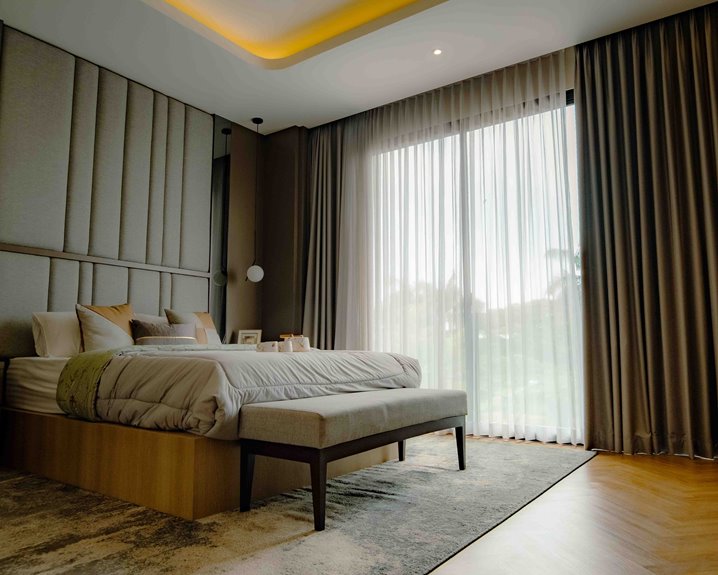
I always tell my friends that bedroom curtains look their best when they touch the floor, because “touch” can mean three totally different things depending on your lifestyle and your floors. You can float them ½ inch above for easy vacuuming, let them break with 1–2 inches kissing the ground for a tailored look, or puddle 3–6 inches for that luxe hotel vibe.
I personally love the break length for everyday bedrooms since it hides uneven floors without the dust-magnet drama of puddling. Grab your tape measure, mark 4–6 inches above your window frame, and measure straight down to get your starting number. Then add or subtract based on your chosen style.
The following sections detail which length works best for your specific situation.
Should Bedroom Curtains Touch the Floor? The Short Answer
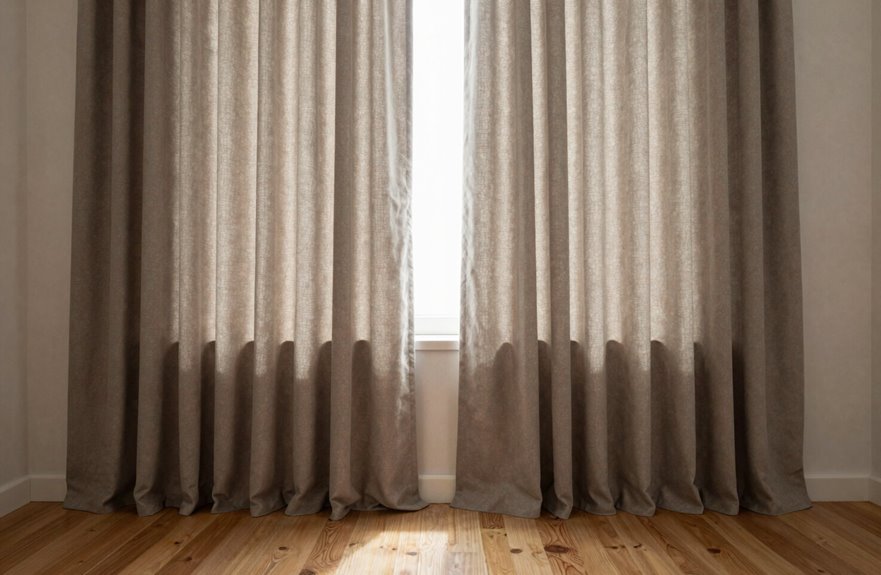
So you’re staring at your bedroom windows and wondering if those curtains should actually sweep the floor or stop short. The answer depends on your personal preference and room conditions.
Most designers say bedroom curtains should either float about ½ inch above the floor or break with 1–2 inches of fabric gently kissing the ground. The float length keeps things clean and modern, perfect if you’ve got uneven floors or pets running around. The break length feels more relaxed and romantic without excessive drama.
You can puddle 3–6 inches for that luxe hotel look, but that works better for guest rooms you rarely use. For everyday bedrooms, float or break lengths offer practical, versatile options that won’t collect dust as readily.
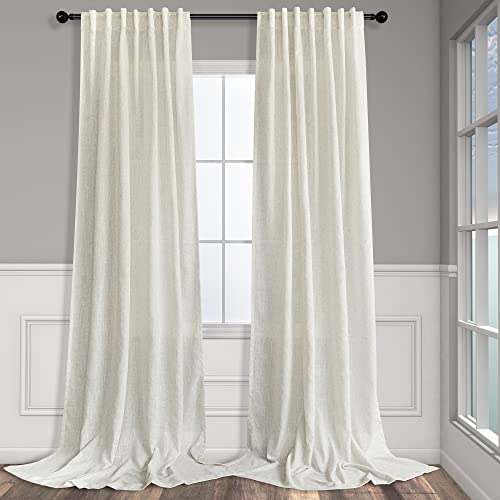
Basic Information: 2 LINEN PANELS in 1 package. Each panel measures width 52 x 84 length. 3-Way Hanging Options: Hang these curtain panels (1) using the back loops to create an elegant pleated effect, (2) from the 3 inch rod pocket for a classic look, or (3) using clip rings for easy, slide open and closed (clip rings are not included)

Size & Quantity: Each package contains 2 panels, each 42" wide and 84" long, total width is 84", total length is 85.5" including 1.5" header. The rod pocket applicable to curtain rods no wider than 1", the bottom hem rod pocket fits for curtain rods no wider than 1"

Generous length: Transform your living space with these luxury curtains, measuring 96 inches long and 50 inches wide. These printed curtains are an amazing choice for your living space.
How to Measure Bedroom Curtains That Touch the Floor
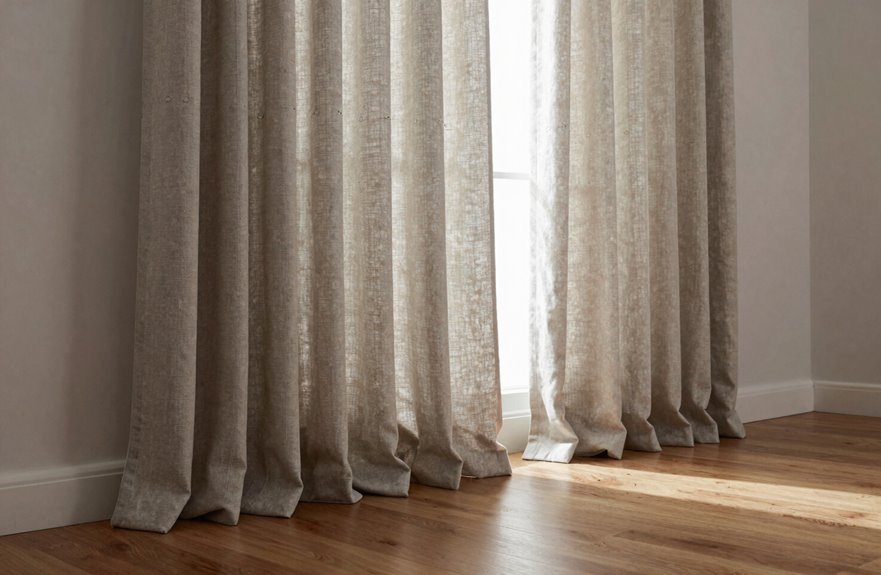
I’ll walk you through measuring curtains that actually touch the floor the right way. First, mark your rod placement about 4 to 6 inches above the window frame. This gives that dreamy, tall look everyone wants. Then grab your tape measure and run it straight down from the rod to the floor. Add just ½ inch if you want that perfect “kiss” where the hem barely brushes the carpet, or go bold with 3 extra inches if you’re after a romantic puddle effect. Keep in mind that puddle effects require more frequent vacuuming. Uneven floors are super common, so always measure at three spots: left, center, and right. Use the shortest number so your curtains don’t look wonky.
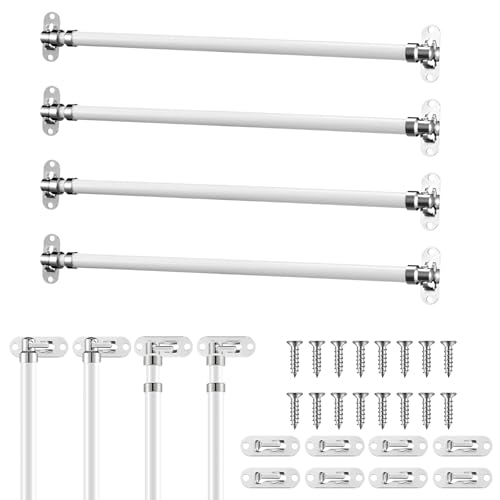
Sufficient Package with 4 Pcs: each order includes 4 pcs delicate curtain rods sets, making this offering a great value for your investment; Coupled with a complete set of installation hardware for each rod, this package presents you with a comprehensive solution for your window or door curtain needs

【Purchase Note】Short tension rod, adjustments range in size just 4 inches, be necessary to get correctly measurements and order the right size
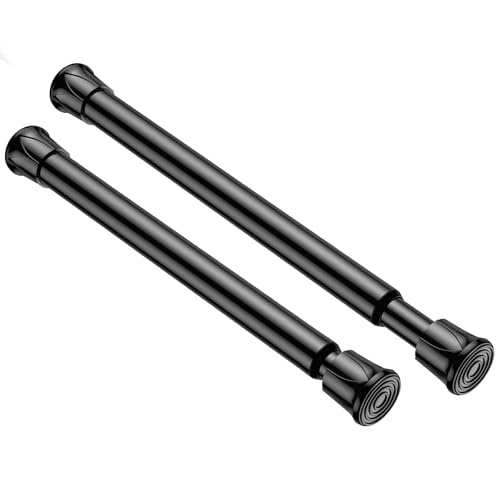
【Purchase Note】Short tension rod, adjustments range in size just 4 inches, be necessary to get correctly measurements and order the right size
Rod Placement First
Where exactly should that curtain rod go? Let me walk you through rod placement, because nailing this changes everything.
I mount mine 8 to 10 inches above the window frame. This tricks your eye into seeing taller ceilings. I also extend the rod wider than the window so panels stack beautifully without crowding your view.
Once I’ve got that rod locked in, I measure down for my perfect length. Want float? Stop ½ inch above floor. Prefer break? Add 1–2 inches. Feeling fancy? Puddle length means adding 3–6 inches for that romantic pool of fabric on your floor.
I always mark my brackets equally from center; symmetry matters. I double-check wall clearance so nothing snags. Get this right, and your bedroom will feel like the cozy retreat you want.
Floor Measurement Tips
Measuring for floor-touching curtains requires precision. Mount your rod high and wide first, then grab your tape measure and go from the rod straight down to the floor. That’s your starting number.
- For float length, subtract ½ to 1 inch so they hover just above
- For break length, add 1 to 2 inches so the hem kisses the floor with a slight bend
- For puddle, add 3 to 6 extra inches
- Double-check your numbers twice
In bedrooms, break length works well. It provides a polished appearance without the maintenance requirements of puddle length.
Length Adjustments Guide
How do you nail the perfect length once you’ve got that rod-to-floor number? Start with a tape measure and a level, since wonky rods compromise the entire installation.
For a crisp, modern vibe, use float-length: hem sits ½ to 1 inch above the floor. This makes vacuuming easy and eliminates complications. For a more dramatic effect, puddle-length adds 3 to 6 extra inches pooling at your feet. This luxurious style does collect dust, so maintenance is required.
Measure from your rod down, then add based on your goal. Break-length needs 1 to 2 extra inches for that slight puddle. For an exact floor-kiss, add nothing or just 0.5 inches maximum.
Check your floor type and foot traffic first. High-traffic bedrooms benefit from float-length. Formal master suites work well with puddle-length.
How High to Hang Rods So Curtains Touch the Floor Right
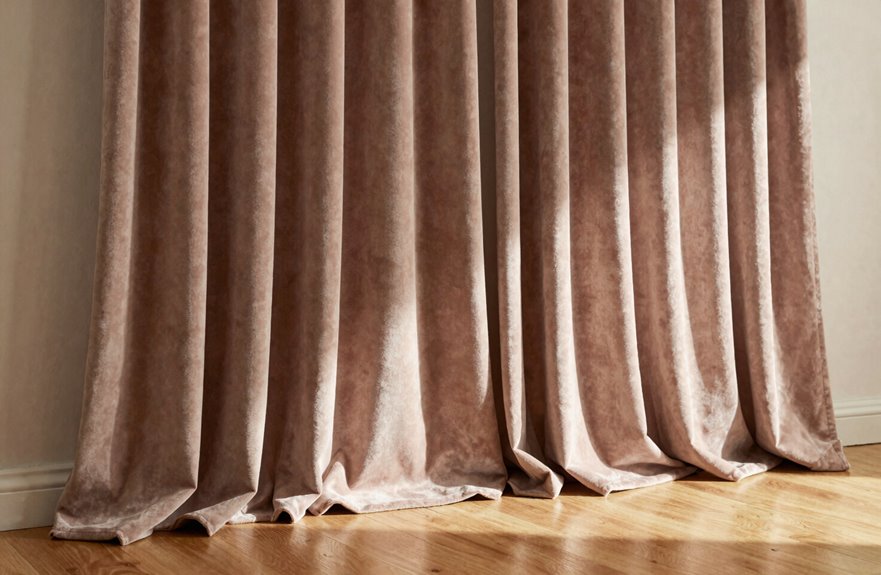
Why does getting that perfect curtain-to-floor moment feel so tricky? I’ve been there, measuring three times and still guessing. Hanging rods correctly requires measuring from your planned rod spot straight down to the floor, then deciding whether you want a tiny float, a clean break, or full-on puddle-length drapery.
- Mount rods 8–10 inches above the frame for tall ceilings and that dramatic drop
- Aim for 0 to ½ inch gap if you want a float, or zero contact for true floor-skimming
- Add 1–2 extra inches to your measurement for break length that kisses the floor
- Go 3–6 inches longer for puddle-length drapery that pools beautifully
Fabric stretches and shrinks, so account for this variation so your hem lands exactly where you want it.

Size & Quantity: Each pack contains 2 window curtains. Each 42 inches in width and 63 inches in length. The total width is 42 inches, and the total length is 64.5 inches (including a 1.5-inch top header). The rod pocket at the top is compatible with standard 1-inch curtain rods, designed for easy installation and smooth sliding. Recommend measuring window dimensions before purchase for the perfect fit

Ready Made: Each package includes 2 pieces of white pinch pleated sheer curtain panels, each measuring 60" wide and 112" long. Each panel has a curtain drapery weight at both ends of the bottom hem. Customized sizes are available upon your detailed requests.

Size & Quantity: Each package contains 2 panels, each 42" wide and 84" long, total width is 84", total length is 85.5" including 1.5" header. The rod pocket applicable to curtain rods no wider than 1", the bottom hem rod pocket fits for curtain rods no wider than 1"
Float, Break, or Puddle: Which Bedroom Curtain Length Looks Best?
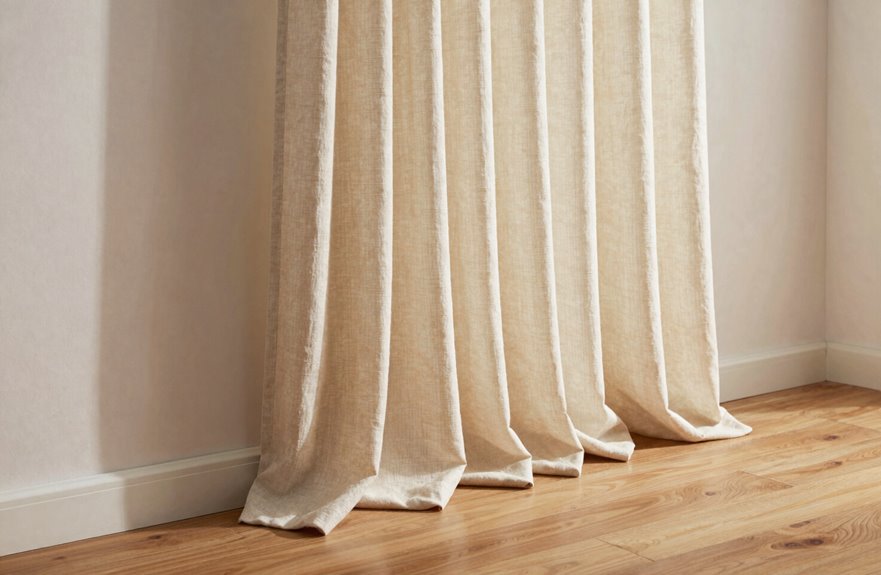
Once you’ve got your rod height locked in, you’re faced with picking how your curtains actually meet the floor. Here are three lengths to help you find your perfect fit.
| Length | What It Looks Like | Best For |
|---|---|---|
| Float | ½–1 inch above floor | Modern, easy cleaning, high-traffic spots |
| Break | 1–2 inches kissing floor | Slightly formal, hides uneven floors |
| Puddle | 3–6 inches pooling | Luxe, romantic vibes (more upkeep) |
Float length works well for busy bedrooms since it prevents dust from collecting on the hem. Break length offers a polished appearance without excessive effort. Light fabrics look stunning with float or short breaks, while heavier fabrics benefit from break length to showcase their drape and weight.

The adjustment distance of the rod is small, so make sure to measure your area first and don't forget the overlap space
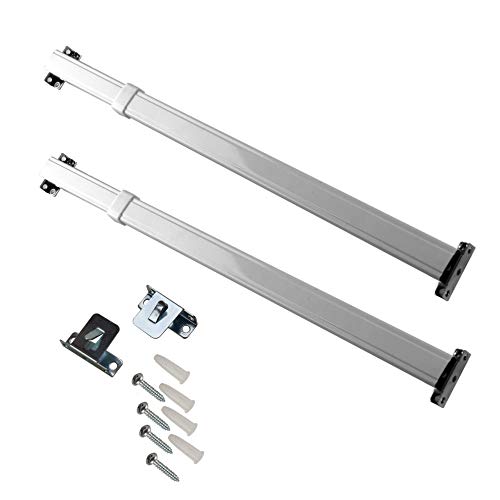
Rod Desyne is pleased to introduce our new Flat Sash Rod that is designed for double pocket curtains to put on doors or small windows.

Package Includes: offering great value for your money, our package includes not only 4 quality curtain rods but also 8 fittings and 16 screws; With the necessary accessories included, setting up your curtains had never been easier
When to Let Bedroom Curtains Hover Half an Inch Above the Floor
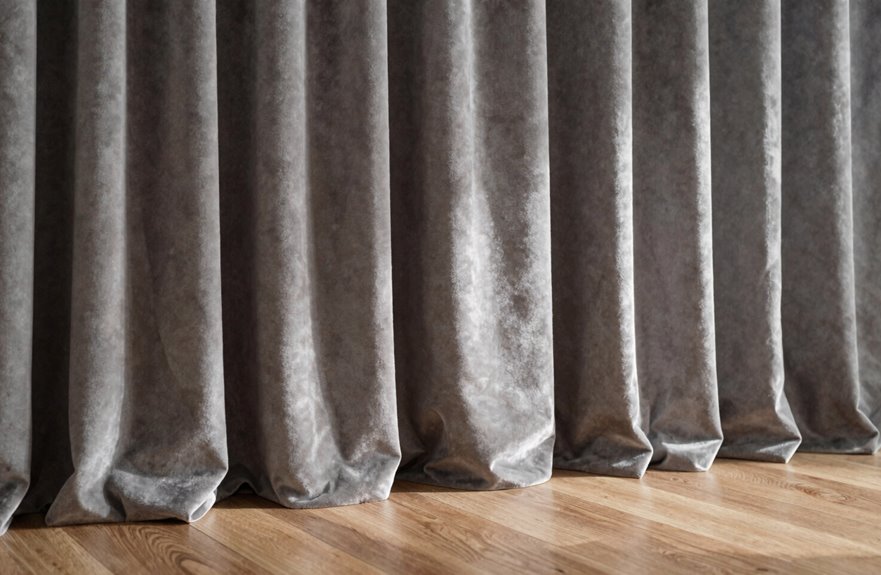
So you’ve got your heart set on that clean, modern bedroom look. There’s something satisfying about those crisp lines. Letting your curtains hover half an inch above the floor gives you that tailored vibe without the fuss.
Clean lines, modern vibes—curtains that hover half an inch above the floor deliver tailored style without the fuss.
This floor clearance works best in these situations:
- Your bedroom floors are level and even with no weird dips or slopes
- You’re tired of dust bunnies and pet hair clinging to fabric
- You’ve got an active space with shoes and furniture that love snagging hems
- You’re working with natural fabrics like linen that might shrink or relax over time
Pair your hover-length panels with a high, wide rod to create the visual effect of taller ceilings. The half-inch gap functions like a perfectly hemmed pair of jeans; it creates an intentional, neat appearance.

Size & Quantity: Each pack contains 2 window curtains. Each 42 inches in width and 84 inches in length. The total width is 42 inches, and the total length is 85.5 inches...
Break Length: When Bedroom Curtains Just Kiss the Floor
I love the hover look, but sometimes you want that little extra something: a soft moment where fabric meets floor. Break length delivers exactly that. I add just 1 to 2 inches past my rod-to-floor measurement, and my curtains gain an elegant, elongated silhouette that feels polished.
Here’s my process: I measure from the rod straight down to the floor, then add that little extra inch or two. This lets my curtains touch the floor without puddling everywhere. It works perfectly for my slightly uneven bedroom floor. I also get better light control and insulation since the edge still covers the floor lightly. Break length provides a formal vibe while remaining practical, striking the balance between too short and too dramatic.

【Purchase Note】Short tension rod, adjustments range in size just 4 inches, be necessary to get correctly measurements and order the right size

【Purchase Note】Short tension rod, adjustments range in size just 4 inches, be necessary to get correctly measurements and order the right size
When Puddle-Length Bedroom Curtains Work (and When They Don’t)
Why stop at a kiss when you can go for a full embrace? Puddle-length curtains deliver dramatic floor contact, spilling 3–6 inches onto your floor and creating the aesthetic of a luxury hotel suite.
Go all in with puddle-length curtains—luxury lies in the deliberate spill.
They work best in these situations:
- Formal master bedrooms where you want that wow factor
- Spaces with uneven floors that need disguising
- Rooms with minimal foot traffic (no kids or pets running wild)
- Designs where you can commit to regular fluffing and cleaning
These curtains aren’t practical for every space. Keep your puddle under 4 inches or it looks messy rather than intentional. You’ll need to vacuum them more frequently. Choose puddle-length when you want a polished, romantic aesthetic and can manage the maintenance requirements.
Why Heavy Bedroom Curtains Need Extra Length to Touch the Floor
How do you get a thick velvet or lined blackout curtain to behave itself? You give it extra long length so gravity does the work. Heavy fabrics need that additional weight to hang straight and stop billowing like a sail.
Getting the measurement right depends on your preferred style:
| Length Style | Inches to Add | Best For |
|---|---|---|
| Break-length | 1–2 inches | Clean, tailored look |
| Puddle-length | 3–6 inches | Romantic, formal drama |
| Extra-long hem | +1 inch hidden | Future sag and cleaning |
| Floor-sealing fit | Exact + break | Blocking drafts |
The puddle-length option works beautifully with velvet. The extra fabric pools elegantly and hides uneven floors or wonky baseboards. You also seal gaps for better insulation, creating both energy efficiency and a refined aesthetic. Remember this principle: heavier fabrics require longer lengths.
When to Avoid Floor-Length Curtains: Pet Hair, Dust, and Cleaning
I’ve learned the hard way that floor-length curtains and my golden retriever Max are not a match made in heaven. Every morning I’m brushing pet hair off my 96-inch linen panels and vacuuming dust that collects right at the baseboard. The fabric acts as a magnet for fuzz and grime. If you’ve got pets or hate extra chores, you might want to stop at 84 inches and let those curtains hover an inch above the floor instead.
Pet Hair Accumulation
Where exactly does all that pet hair seem to hide? I’ve found it clings to floor-length curtains like a magnet, and if you’ve got a shedding buddy at home, you know the struggle is real.
Managing pet hair on your drapes requires these strategies:
- Longer fabrics grab more hair from the floor and passing pets, so you’ll vacuum or lint-roll way more often
- Hover or float lengths (about 1/2 inch above floor) cut down on collection significantly
- Sturdier fabrics or hem protectors help if your cat loves scratching the bottom
- Regular maintenance is essential for keeping things fresh
I switched to curtains that float just above my carpet. The results were noticeable: less hair accumulation, reduced cleaning frequency, and more time to spend with my furry roommate.
Dust Collection Issues
Dust bunnies love a good hiding spot, and floor-length curtains are basically a five-star hotel for them. Dust collection can turn beautiful drapes into a fuzzy mess at the hem.
Floor-length curtains act like a broom, sweeping up every particle that floats by. Heavier fabrics that pool on the ground trap dirt and odors right where you sleep. Vacuuming the hemline weekly with a Shark Navigator keeps things fresh with just a quick pass.
If you’re sensitive to allergens, consider hovering curtains that float 1/2 inch above the floor. You’ll still see dust along the bottom edge, but it’s much easier to manage. Hovering curtains prevent the sneezing and extra laundry cycles that floor-length curtains can cause.
Cleaning Difficulty Increases
How much extra work am I signing up for when I choose curtains that kiss the floor? This involves serious cleaning difficulty, not just a quick fluff. When curtains touch the floor, they become magnets for everything you’d rather not deal with.
Here’s what you’re dealing with:
- Pet hair clings to fabric and transfers everywhere when you brush past
- Dust piles up at the hem and underneath, doubling your vacuum time
- Heavier fabrics trap dirt deep in fibers, forcing frequent washing
- Puddle styles drag across floors, collecting grime with every breeze
My old 96-inch drapes needed weekly attention while my friend’s floating 84-inch panels required only monthly dusting. If you have shedding pets or hate laundry, choose hover-length curtains instead.
How to Fix Uneven Floors Without Ruining Your Curtain Look
If you’ve ever put up curtains only to notice one side kisses the floor while the other floats an inch above, you’re dealing with a common problem caused by uneven floors.
First, try a break-length style with 1–2 inches of extra fabric. This small amount bridges those annoying dips without looking messy. For a more dramatic solution, a soft puddle on uneven floors hides everything. Use about 3–4 extra inches and let it pool naturally.
Mount your rod 6–12 inches wider and 4–6 inches higher than your window frame. This draws eyes upward and makes floor flaws disappear. For stubborn spots, add adjustable hem tape like Dritz Stitch Witchery; no sewing is needed.
Your room can look polished even when your floor isn’t perfect.
How to Measure Bay Windows for Floor-Length Bedroom Curtains
Where do you start with bay windows? Getting that perfect floor-length look takes some planning.
First, measure from your rod position straight down to the floor for each bay section. Note the angles where the window meets the wall, as they affect your installation.
Use one continuous rod or separate rods per section, but keep heights identical for a cohesive appearance.
- Extend rods 8–10 inches past each frame so panels stack properly.
- Use flexible or angled brackets made for bays, or use straight rods with aligned segments.
- Aim for 0.5–1 inch above floor for float-length, or 1–2 extra inches for a gentle break.
Consistent curtain length across all panels creates a polished, intentional appearance in your bay window.
Do Floor-Touching Bedroom Curtains Block More Light?
Why do we even bother with floor-length curtains in the bedroom? The answer is light-blocking power. When I switched from float-length to floor-touching panels, I noticed an immediate difference. The fabric meets the floor directly, so there’s zero gap for that annoying morning light to sneak through.
Break-length curtains that just kiss the floor work great, but puddle-length drapery works even better. That extra fabric layers over the floor and absorbs stray light effectively.
Here’s a pro tip: pair your floor-length panels with blackout lining. Using 84-inch panels with a thick velvet weave keeps the bedroom dark until your alarm rings. Light only escapes at the sides now, not from the hem. You’ll notice significantly better sleep quality.
Why Floor-Length Bedroom Curtains Make Small Rooms Feel Bigger
So how exactly can a piece of fabric trick your eyes into seeing more space? Floor-length bedroom curtains work effectively for tiny rooms. When your curtains touch the floor, they create one long, unbroken line that pulls your gaze upward, making your ceiling feel higher.
Floor-length curtains create an unbroken vertical line that draws the eye upward, instantly making your ceiling feel higher and your room more spacious.
Here’s what works best:
- Mount that rod 6-8 inches above your window frame.
- Choose break-length or floating hems instead of puddles in tight spaces.
- Extend panels wide past the window edges for maximum impact.
- Keep hems consistent across every window for a streamlined look.
Floor-length drapery also hides wonky baseboards and floor quirks that make small spaces feel cramped. It’s like giving your bedroom an instant renovation. Just skip the excess fabric, as puddle styles can trip you up literally and visually.
DIY vs. Professional Measurement: When Accuracy Matters
I get it. You just figured out the perfect curtain length for your bedroom, and now you’re standing there with a tape measure wondering if you can trust your own two hands with this job. DIY measurement works well if you’re going for float-length (subtract ½ inch from your rod-to-floor measurement) or break-length (add 1-2 inches). Puddle-length requires professional help. Adding 3-6 inches sounds simple, but one wrong calculation and you’re tripping over fabric or fighting dust bunnies daily. Pros use laser tools and account for uneven floors, something a standard tape measure cannot detect consistently. For standard windows, grab that tape and proceed. Bay windows or tricky corners demand professional measurement to avoid costly mistakes.