
The ten recipes below range from a two-ingredient floor cleaner to a linen spray that requires vodka, and the one that fits your household depends on whether you have granite counters, a pet, or a foaming dispenser already sitting by the sink.
Most fail at exactly the same point: vinegar, the ingredient every natural-cleaning roundup starts with, etches stone and weakens grout over time.
I reach for Castile soap instead, and a $10 bottle of Dr. Bronner’s stretches to thirty batches before it runs dry.
1. All-Purpose Cleaner

Most surfaces in a home only need two ingredients: 1 quart water and ¼ cup Castile soap. Dr. Bronner’s is the brand that shows up reliably at Target and Walmart, and the scented versions use real essential oils rather than synthetic fragrance.
I keep this in a spray bottle and use it on counters, cabinets, painted trim, and anywhere else I’d rather not gamble on.
Vinegar is what other recipes push for an all-purpose base, and it does cut grease.
The problem is what it does to finishes I actually care about. Every source repeats the same warning about natural stone, marble, granite, travertine: the acid etches the surface.
I skip vinegar anywhere a finish matters and reach for Castile soap instead. It cleans without the risk, and a quart batch costs next to nothing when the soap stretches across laundry, dishes, and floors too.

EWG VERIFIED, ORGANIC SOAP: Yoken castile soap liquid organic is proudly EWG Verified to meet the most rigorous standards and ultimate quality, formulated with organic oils, with no synthetic chemicals, mild for skin, and good for Mother Earth

EWG VERIFIED, USA MANUFACTURED & THE ONLY CERTIFIED PALM OIL FREE Castile Soap on Amazon. Our UNSCENTED Castile is a mild formula, free of essential oils and fragrance, 2-3x more concentrated than regular soaps and cleansers! More soap per bottle means less waste in packaging!
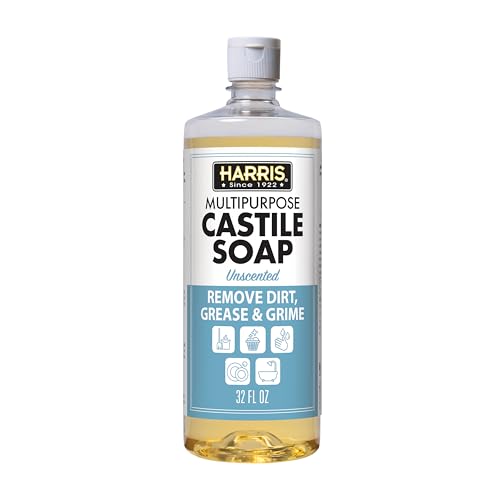
EFFECTIVE & FRAGRANCE-FREE MULTI-PURPOSE HOME CLEANER: Our fragrance-free formula cuts through grease, grime, and everyday messes. Castile soap can be used as an everyday all-purpose cleaner, to clean tile, wood and laminate floors, toilets, bathroom surfaces, mirrors, outdoor furniture, to degrease kitchen surfaces, laundry, handwashing dishes and more! Discover the hundreds of ways to use castile soap to clean your home, personal items and spaces.
2. Glass Cleaner

The difference between a glass cleaner that works and one that smears comes down to one ingredient most people skip.
Rubbing alcohol is what makes this mix worth mixing at all. Without it, you are left with the basic vinegar-and-water spray that dries slow and leaves streaks behind.
My go-to recipe is ¼ cup white vinegar, ¼ cup rubbing alcohol, and 2 cups water.
The alcohol speeds evaporation so the surface dries before streaks can set. That is the entire functional formula.
Essential oils, peppermint or lemon or whatever you prefer, are only for scent. Fifteen to twenty drops is plenty, and if you notice any film at all, cut the oil back rather than blame the vinegar.
Some recipes add cornstarch, but I would not bother. The alcohol-vinegar-water combination already cuts grease fine on its own.
A microfiber cloth matters more than the oil choice.
Cotton leaves lint and drags moisture around. The cloth and the alcohol together do the actual work of a streak-free finish.

What You'll Get: One 23 oz spray bottle of Windex Ammonia Free Crystal Rain Glass and Window Cleaner

Streak-Free: With its unique, 100 percent streak-free formula, the Perfect Glass cleaner makes glass surfaces look pristine and spotless without leaving any glare, haze, or residue

VINEGAR FOR CLEANING PURPOSE | Originally Yellow’s all-purpose 1 gallon cleaning vinegar works as a bathroom cleaner, glass cleaner, and floor cleaner in one. Made with safer ingredients that include natural white vinegar and organic Lavender extract, it cuts through grime without the harsh vinegar smell—just a fresh Lavender or Lemon scent.
3. Toilet Cleaner

A toilet bowl cleaner made from 1 cup water, 1/8 cup baking soda, and 1/4 cup Castile soap handles weekly maintenance without the harsh fumes of commercial alternatives.
The baking soda gives gentle abrasion for lifting rings and stains, while Castile soap cuts through grease and residue that water alone misses.
I keep this in a squeeze bottle rather than a spray bottle, since aiming a stream under the rim matters more than coating the whole bowl.
This is not a disinfectant in any medical sense.
It will not kill bacteria or viruses, so I still reach for something stronger after illness or for a deep monthly sanitizing. For the routine scrubbing most of us do on Saturday mornings, though, it works.
Shake before each use, since baking soda settles fast. Let it sit for a few minutes, brush, and flush.
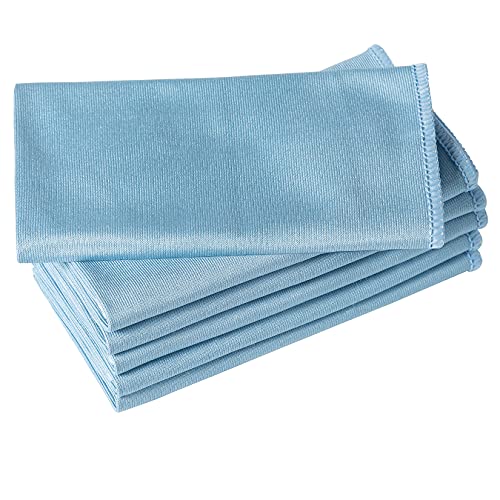
ABSORBENT & FAST DRYING - Microfiber material provides super absorbent water ability of the cloths makes quick drying large surface. They deliver extreme absorbency, so at the same time ensure quick drying.

Premium Ultra-Soft Microfiber: Effortlessly removes fingerprints, smudges, oil, and dust without scratching—leaving lenses and screens spotless and streak-free.
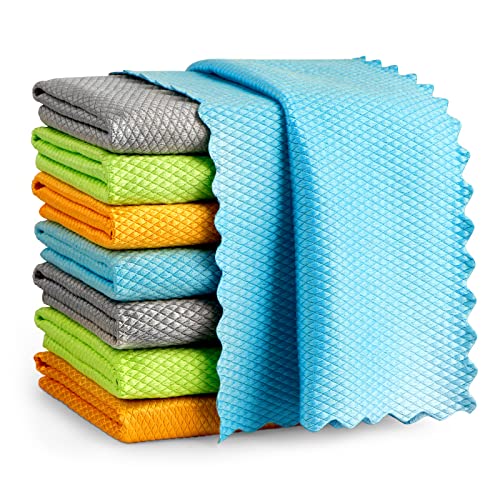
Lint-Free & Non-Abrasive: AIDEA microfiber cloths are non-abrasive; protect delicate surfaces from scratches; strong anti-lint fiber construction captures dust and dirt; ideal for achieving streak-free and lint-free cleaning results
4. Laundry Detergent

Liquid laundry detergent is the one diy cleaning product where I keep the recipe almost insultingly simple: 2 cups hot water and 1/4 cup liquid Castile soap. That is the whole formula.
No washing soda, no baking soda, no essential oils layered on top. The hot water matters more than most people think; cold water leaves the soap streaking across fabric instead of dispersing evenly.
I would not bother with a powder version for this one. The liquid form mixes in seconds and pours without clumping.
This is a light-duty formula, and I want that limitation stated plainly.
It handles everyday wear, gym clothes that sat for a day, bedsheets on a normal week. Heavy soil, work coveralls, cloth diapers, anything with grease or ground-in clay needs something else.
Castile soap is a true soap, not a detergent, which means it reacts with minerals in hard water and can leave residue on fabric over time.
For an apartment with soft water or a weekly load of office clothes, that tradeoff is fine. For a household washing farmer’s overalls, I would point toward Sal Suds or a commercial enzyme cleaner instead.
The batch costs maybe a dollar and mixes in under a minute. Shake before each use; the soap settles.

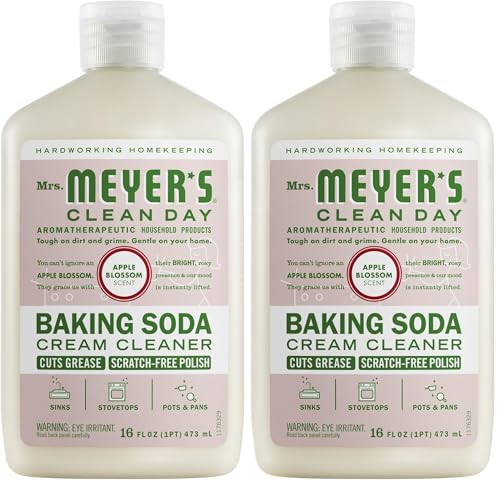
Mrs. Meyer's Baking Soda Cream Cleaner removes soap scum and grease build-up to make your kitchen sparkle
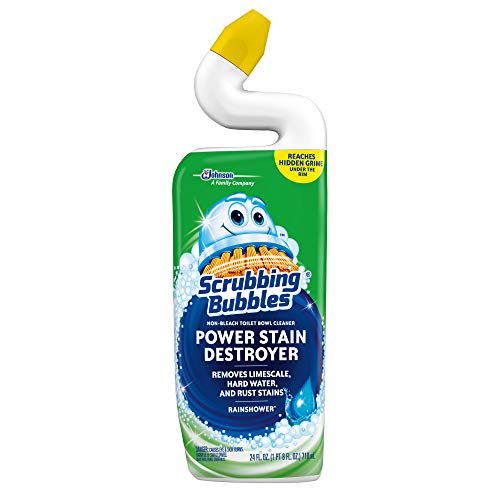
What You'll Get: One 24oz bottle of Scrubbing Bubbles Rainshower Power Stain Destroyer Toilet Bowl Cleaning Gel
5. Floor Cleaner

Rubbing alcohol is the reason this floor cleaner dries faster and streaks less than any vinegar-based mix I have used.
I combine 1 gallon of hot water with a half cup of rubbing alcohol in a mop bucket, and that is the whole recipe.
No vinegar here, and I skip it deliberately. Vinegar leaves residue that dulls sealed floors over time, and on unsealed wood it is an entirely different conversation I would not enter without specific guidance from the manufacturer.
The alcohol cuts through whatever film last week’s cleaning left behind and evaporates fast enough that you are not tracking wet footprints through the kitchen.
I do not bother with essential oils in this one, though some add 10 to 20 drops for scent.
To me, the smell of clean evaporating alcohol tells me the job is done, and I would rather not add oil that might linger on the finish.
Wring the mop thoroughly. Standing water damages every floor type eventually, sealed or not.

Safe for All Natural Stone – Gently cleans marble, travertine, granite, slate, limestone, ceramic, and porcelain tile without damage or dulling the surface.

Luxury Fragrance Inspired by Brazilian Beach Days - Transport your home to Brazilian beach days with this highly scented mop soap. Notes of pistachio, salted caramel, and vanilla deliver a layered, luxurious scent experience every time you clean. A true luxury mop soap that refreshes your space beyond the surface.

Safe For Everyday - Perfect for everyday cleaning
6. Furniture Polish

Olive oil and vinegar make a furniture polish that costs next to nothing and actually feeds the wood instead of sitting on top like silicone sprays.
Two tablespoons of olive oil and a quarter cup of white vinegar in a small jar.
The oil conditions; the vinegar cuts through the film of dust and skin oils that builds up on surfaces you actually touch. Shake it hard before each use, because it separates fast.
I keep this for unfinished or oiled wood only.
The vinegar will etch lacquer over time, and on a sealed surface the oil just leaves a streaky mess you fight with for days. Apply it with a soft cloth, barely damp, then buff until your arm gets tired.
The wood should look richer, not wet. If you can still see your fingerprint, you used too much.

MADE WITH ORGANIC OILS & CERTIFIED FAIR TRADE INGREDIENTS: Dr. Bronner's Pure-Castile Magic Liquid Soaps are made with over 70% certified organic & fair trade ingredients—an ethical, sustainable choice and a gentle castile soap liquid for all!

THIS VARIETY PACK INCLUDES: (1) 32 oz Dr. Bronner’s Sal Suds Biodegradable Cleaner & (1) 32 oz Peppermint Pure-Castile Magic Soap – a must-have duo for body care & home cleaning. A perfect castile soap and all-purpose cleaner for your daily routine

ALL-PURPOSE SOLUTION: A versatile Multi-Surface Everyday Concentrate that delivers fast, effective cleaning, removing dirt in every room and all non-porous surfaces in your home.
7. Degreaser

A stovetop degreaser needs to cut cooking residue without leaving its own mess behind.
Castile soap does the job, but the ratio matters more than most recipes admit. 2 teaspoons in 2 cups of warm water is the mix I use, and I keep it light for a reason.
Concentrated Castile soap, the kind that looks like it should work harder, dries to a dull film on stainless steel and glass that takes a second round to remove. The lower concentration lifts grease while the water carries it off.
I reach for this after cooking, not as part of a weekly wipe-down routine.
Bacon splatter or oil that missed the pan is what it handles best. Spray it on, wipe with a damp rag, then dry with a clean one.
The warm water helps the soap dissolve evenly before it hits the bottle, which matters if you are mixing in something that has been sitting on the counter.
For range hoods, the same batch works, though I go through it faster there than on the cooktop itself.


The information below is per-pack only

Streak-Free: With its unique, 100 percent streak-free formula, the Perfect Glass cleaner makes glass surfaces look pristine and spotless without leaving any glare, haze, or residue
8. Linen Spray

A good linen spray starts with 2 parts water to 1 part vodka.
The alcohol does two jobs: it carries the scent evenly and evaporates fast enough to leave fabric without water spots. I use unscented vodka, though rubbing alcohol works if that is what you already have.
For the scent, add 10 to 15 drops of essential oil per cup of total liquid. Lavender is the usual choice for bedding because it reads as clean and calming, though any oil you like on your sheets will do.
I keep the mix in a small spray bottle and mist pillows and duvet covers between washes, not in place of them. The spray freshens what is already clean; it will not handle body oil or dust.

Powerful Cleaning For Multiple Surfaces - The kitchen towels and dishcloths sets still for wiping furniture, glass and mirrors left on the lint, the cleaning rags can help you to fix the problem in one step. No lint, no trace, quick drying, high absorbency, strong stain remova

Glasses cleaner - Sourced from the highest quality microfiber that absorbs and removes dust, oil, smudges, fingerprints, dirt, and more. Leaves no scratches, streaks, marks, or lint behind. The perfect eyeglass cleaner for reading glasses, women, men, adults, him, her, teens, and more.

Excellent Absorbency & Quick-Drying: Our microfiber glass cleaning cloths absorb large amounts of liquid quickly, leaving surfaces dry and streak-free. After use and washing, they dry rapidly to keep clean and improve overall cleaning efficiency. Each glass towels also includes a hanging loop for easy storage and faster air drying.
9. Fridge Cleaner

Hot water loosens grease that cold water just pushes around, which is why I start with 1 cup hot water and 1/2 cup white vinegar for the fridge. The vinegar cuts the sour odors that linger in plastic shelving and door seals.
I keep essential oils out of this mix, or add no more than a single drop; food pulls in scent faster than you’d expect, and everything in the drawer ends up tasting like lavender or lemon.
I wipe with a cloth rather than spraying near open shelves. A spray sends fine droplets onto uncovered leftovers and produce, and that vinegar note doesn’t belong on fruit.
A quick pass with a damp rag handles shelves, then I dry with a clean towel so water doesn’t pool in the crisper tracks. The whole job takes five minutes if you stay on top of it weekly.

Powerful Cleaning: Bastion Toilet Tank Cleaner features a potent formula with citric acid to effectively dissolve rust, mineral deposits, and stubborn stains, leaving your toilet tank spotless. This natural formula makes it an effective and eco-friendly alternative to harsh chemicals that can damage your toilet tank and pipes.
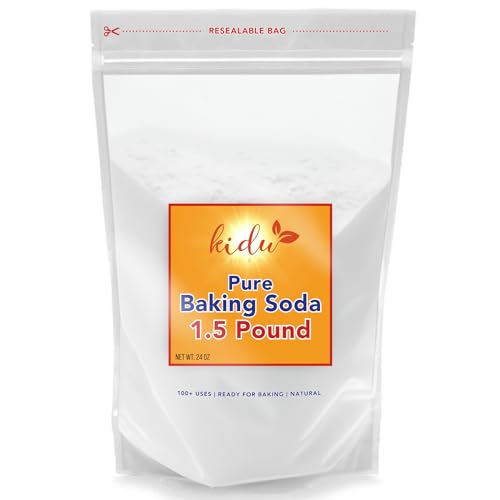
Baking: Baking soda also known as bicarbonate of soda is a leavening agent, which means that it reacts with an acid to produce carbon dioxide gas. This gas causes baked goods to rise and become light and fluffy. Baking soda is commonly used in recipes for breads, cakes, muffins, and cookies.
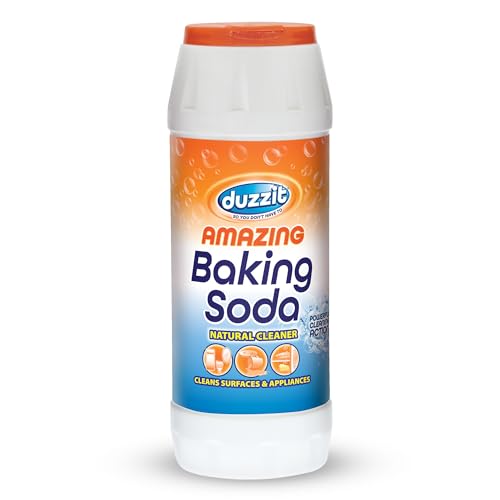
duzzit - amazing baking soda multi purpose household cleaner - 500g
10. Dish Soap

A foaming dispenser is what makes this recipe work. Pour ¼ cup liquid Castile soap into the bottle, fill the rest with water, and pump.
Without that dispenser, the same ratio gives you thin liquid that runs straight off your hands and down the drain. I learned that the hard way with a regular soap bottle and ended up using three times as much.
I keep this at the kitchen sink for hand-washing only.
Castile soap in a foaming dispenser produces proper, usable foam because the mechanism aerates the diluted mixture. For dishes by hand, I still reach for something stronger; this lacks the surfactant load to cut through greasy plates.
And it does not belong in the dishwasher at all. The suds will overflow, and the soap leaves a film on glassware that takes a second rinse to remove.
Dr. Bronner’s is the Castile soap I see everywhere, from Target to Walmart, and the scented versions use essential oils rather than synthetic fragrance.
That matters if you are washing your hands ten times a day. The unscented baby formula works fine too; the cleaning action comes from the soap itself, not the smell.
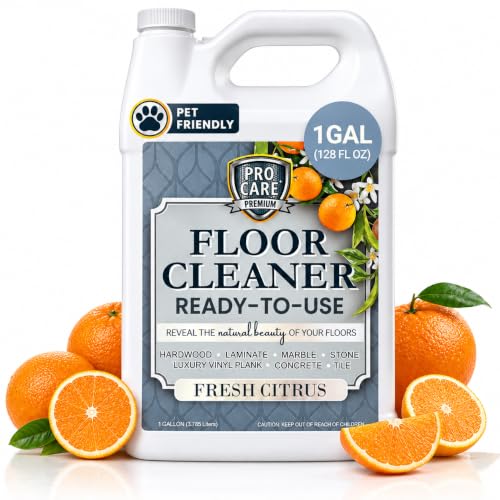
NATURAL CLEANING SOLUTION: This multi-purpose floor cleaning liquid can be used with a mop to remove dirt on the floor without damaging your floor over time. Floor mopping becomes safer with this chemical-free formulation. If you have a hard surface floor, this is an excellent floor cleaner for every job!

Safe for All Natural Stone Floors: Specially formulated for limestone, travertine, marble, granite, slate, sandstone, quartzite, flagstone, and all other sealed and unsealed natural stone flooring

Signature Fragrance Inspired by Coastal Getaways - Transport your home to sparkling shores of Monaco Bay with this highly scented mop soap. Notes of tropical fruits, sugared citrus, and fresh mountain greens deliver a layered, luxurious scent experience every time you clean. A true luxury mop soap that refreshes your space beyond the surface.
Essential Oils That Actually Clean

Tea tree oil carries the strongest antibacterial punch of the three oils that show up in most diy cleaning products, and it is the one I would reach for in a kitchen or bathroom where germs are the actual concern.
The scent takes some getting used to, but it is antimicrobial and fights germs directly rather than just making the room smell clean.
Lavender sits in the middle, both in scent strength and in antibacterial properties; I like it in laundry applications where it helps prevent musty odors and mildew while adding a calming note.
Lemon covers the scent side beautifully and works as a practical cleaner on its own, the way it cuts through tarnish on brass when paired with salt and vinegar.
The trade-off with tea tree oil is safety around pets.
It is toxic to dogs and cats, so I would skip it entirely in households with animals and lean harder on lemon or lavender instead. For homes without pets, tea tree is the clear winner on performance alone.
Vinegar: Where It Works and Where It Eats the Finish

The stone warning you hear everywhere is real: vinegar etches granite and marble, and even a diluted splash left sitting will dull the finish.
What gets repeated less often is where else that acidity becomes damage over time. Grout weakens with repeated exposure, aluminum corrodes, waxed surfaces lose their coating, and some sealants break down faster than the manufacturer intended.
The acidity is exactly why vinegar works. It cuts mineral deposits on glass, dissolves hard water rings in the toilet bowl, and neutralizes the stubborn smells that linger in a fridge.
For those three jobs, a half-and-half spray of white vinegar and water, or straight vinegar in the bowl, is still my first reach.
I stop there. The risk on countertops is enough to keep the bottle away from stone entirely, and the slower damage to grout means even bathroom tiles are better handled with something else.
A gallon costs just a few dollars, which makes it tempting to treat vinegar as the all-purpose answer.
It is not. It is a sharp tool that belongs in a small kit, not the whole drawer.
What This Costs Against Store-Bought

A 32-ounce bottle of Dr. Bronner’s Castile soap runs $10–15 and stretches to 30-plus batches of all-purpose cleaner. The equivalent in brand-name sprays costs $3–5 per bottle, so the break-even point lands around the fourth or fifth refill.
After that, each batch costs roughly 30–50 cents in soap, plus water and a few drops of essential oil if you want scent.
| DIY Castile-based | Store-bought spray | |
|---|---|---|
| All-purpose cleaner | ~$0.35/batch | $3–5/bottle |
| Glass cleaner | ~$0.25/batch | $3–4/bottle |
| Laundry detergent | ~$0.50/load, milder | $0.15–0.30/load, stronger |
The math tilts heavily toward DIY for surfaces and glass, where dilution works fine and you’re mostly paying for water and fragrance in the store version.
Laundry is where I hesitate. Homemade Castile laundry soap is gentler on skin and fabric, but it lacks the surfactant load of commercial detergent.
For everyday wash it works; for gym clothes or greasy workwear, I keep a bottle of the strong stuff on hand. The savings are real, but they cluster in the categories you use most often.
Why I Skip the Dryer Sheets and Fabric Softener Recipes

Wool dryer balls handle static and softening better than any homemade sheet recipe I’ve seen, and a splash of vinegar in the rinse cycle does the rest.
The recipes for diy cleaning products that include fabric softener or dryer sheets tend to repeat the same weak formulas, usually a scrap of cotton soaked in diluted conditioner or vinegar.
They dry stiff, smell sour, and still leave clothes clingy.
Skip the diy dryer sheet entirely and buy a set of wool balls once. They last years, cut drying time by absorbing moisture and creating separation between fabrics, and they cost about what two months of disposable sheets run.
If you want scent, a drop of essential oil on the ball before the load works fine. The only reason these recipes keep appearing in roundups is that they pad the count.
Frequently Asked Questions
What can I use instead of commercial cleaners?
DIY cleaning products made with Castile soap, vinegar, baking soda, and essential oils work for most household jobs.
A single $10–15 bottle of Castile soap stretches to 30-plus batches of all-purpose cleaner, glass cleaner, toilet cleaner, and more. The break-even point against store-bought sprays lands around the fourth or fifth refill.
How do I make an all-purpose cleaner?
Mix 1 quart water with 1/4 cup Castile soap in a spray bottle.
This handles counters, cabinets, painted trim, and most finished surfaces without risk. Skip vinegar for this job; the acidity etches natural stone, marble, granite, and travertine.
Are DIY cleaners safe for pets?
Most are, but tea tree oil is toxic to dogs and cats and should be left out entirely in pet households.
Lean on lemon or lavender essential oils instead, or skip oils altogether in recipes like the fridge cleaner where even a single drop can flavor food.
What essential oils are best for cleaning?
Tea tree oil carries the strongest antibacterial punch for kitchens and bathrooms, lavender works well in laundry to prevent musty odors, and lemon covers scent beautifully while cutting tarnish on brass.
In homes with pets, skip tea tree and rely on lemon or lavender.
Can I use vinegar on all surfaces?
No.
Vinegar etches natural stone, weakens grout over repeated exposure, corrodes aluminum, strips waxed surfaces, and breaks down some sealants. Reserve it for glass, toilet bowls, and fridge interiors where the acidity cuts mineral deposits and neutralizes odors without damaging finishes.
How can I make my own disinfectant spray at home?
The toilet bowl cleaner, for example, handles weekly maintenance without harsh fumes but does not kill bacteria or viruses. After illness or for monthly deep sanitizing, you will still need a commercial disinfectant or hydrogen peroxide.