
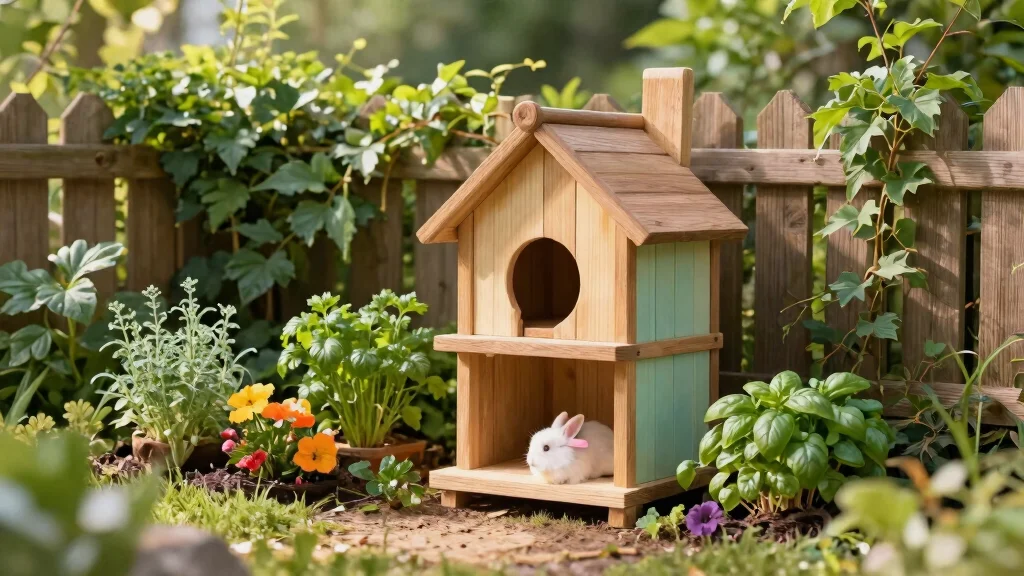
As the chilly months roll in, thoughts often drift to keeping our furry friends cozy and safe. If you’re a rabbit lover, you may find yourself craving ideas for outdoor spaces that protect your bunnies from the cold while also keeping them safe from predators. With the right solutions, you can create a warm and inviting home for your rabbits that allows them to enjoy the great outdoors, even in the frostiest of temperatures. That’s why I’ve gathered a list of practical, innovative rabbit house outdoor ideas that will keep your pets both toasty and secure.
This post is for anyone who shares a love for rabbits, whether you’re a hobbyist, a seasoned pet owner, or someone looking to start their own rabbit garden sanctuary. You care about your pets’ well-being and want to provide them with a habitat that offers both comfort and protection. By the end of this article, you’ll explore twelve fantastic rabbit shelter ideas that are not only creative and sustainable but also designed to withstand winter’s chill and keep predators at bay.
You’ll gain insight into various housing options, from insulated wooden huts to community sanctuaries. Each idea aims to inspire you to create a safe, nurturing environment. So, get ready to transform your outdoor rabbit space into a warm haven that your bunnies will love!
Key Takeaways
– Discover unique rabbit shelter ideas, such as insulated wooden huts and portable hutches, that keep your pets warm in cold climates.
– Learn how to design predator-proof rabbit enclosures that ensure safety without sacrificing comfort.
– Explore the use of natural materials like straw bales and tarps for cost-effective and sustainable shelter solutions.
– Understand the benefits of integrating gardening for rabbit habitats, providing both food and a safe environment for your bunnies.
– Find practical tips, like using soil heat cables and building community rabbit sanctuaries, to enhance your outdoor rabbit housing experience.
1. Insulated Wooden Huts
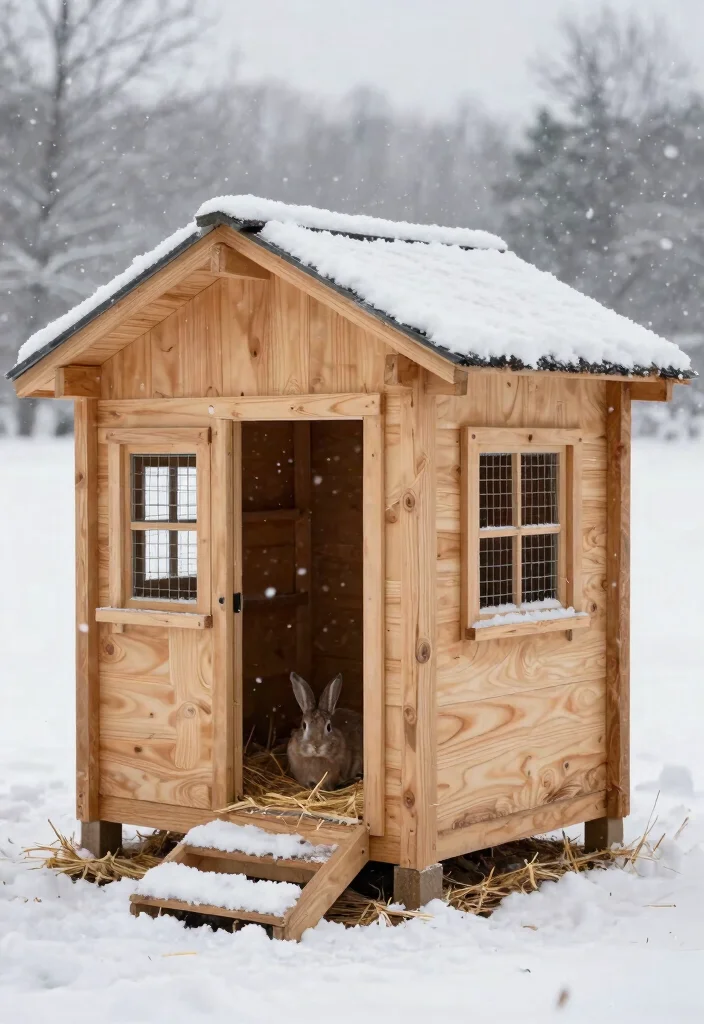
If you’re looking for a sturdy and warm home for your rabbits, insulated wooden huts are an excellent option. These huts are built to withstand various weather conditions, ensuring your furry friends stay comfortable and cozy. Utilizing materials like plywood not only keeps costs down but also provides effective insulation against the cold. Adding straw or hay inside the walls enhances warmth, creating a snug environment during winter months.
Start by securing the hut with strong locks to keep predators out and raise it off the ground to prevent moisture buildup. This will help protect your rabbits from burrowing threats.
Here are some tips for building your insulated wooden hut:
– Use weather-resistant paints or stains for durability.
– Install a sloped roof to avoid snow buildup.
– Include multiple entrances for easy escape routes.
– Cover windows with wire mesh for ventilation while keeping predators at bay.
With this setup, your rabbits will enjoy a safe and warm retreat, even in the harshest weather.

Solid and Stable: This outdoor cat house insulated is crafted from sturdy, durable spruce wood with a waterproof asphalt roof. It remains stable and secure during extreme weather and accidental impacts, providing small animals with a reliable shelter to hide from predators and stay warm throughout the winter.

LURE A STRAY BACK HOME - dark and natural colors for a cat house outdoor will reduce the defenses of the stray without feeling exposed to all the wildlife - a haven for the neighbor feral.
2. Greenhouse Rabbit Enclosures
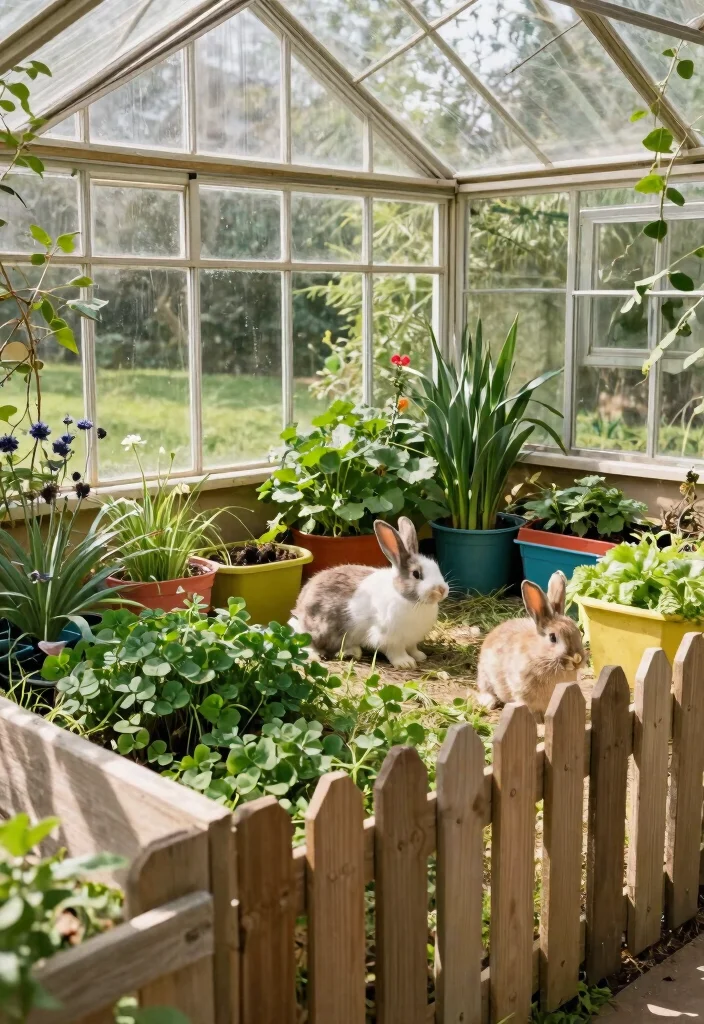
Have you ever thought about turning a greenhouse into a rabbit enclosure? This creative idea provides a warm and inviting space for your rabbits to thrive. Greenhouses harness sunlight, creating a naturally heated environment that they will enjoy. By adding secure fencing around the greenhouse, you can keep your rabbits safe from local wildlife while letting them roam among plants.
To make the space even more inviting, consider planting rabbit-friendly greenery like clover and dandelions for tasty snacks.
Here are some pointers for this idea:
– Ensure proper ventilation to avoid overheating.
– Elevate planters to encourage natural foraging.
– Use sturdy fencing materials to deter predators.
– Regularly check for gaps or weaknesses in the structure.
This greenhouse setup not only keeps your rabbits warm but also enriches their diet and environment.
Did you know a sunny greenhouse can keep rabbit house outdoor setups warm enough when temperatures dip into the 40°F range? With secure fencing, you get a natural habitat where rabbits stay cozy and still have access to fresh plants like clover and dandelions.

【Package Included】The package includes everything you need for easy installation: 12 curved hoops, 12 straight hoops, 18 connectors, 48 landscape staples, a 32.8 ft/10m net. You won't need to purchase any additional accessories.
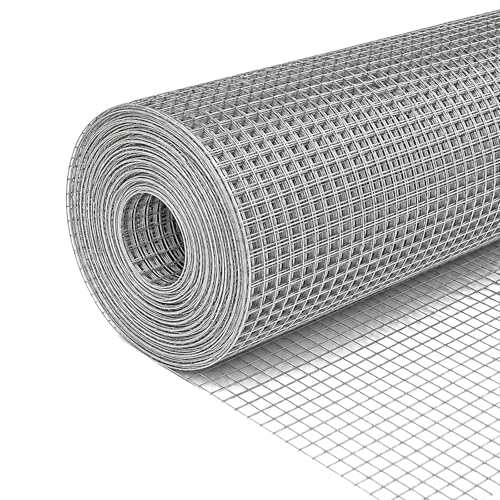
Hardware Cloth 1/2inch for Chicken Coop – 16 inch x 50 ft welded wire mesh made from 23-gauge galvanized steel hardware cloth. Provides reliable strength and flexibility for chicken wire fencing, garden protection, and general outdoor use

【Robust Steel Frame for Longevity】 Built with a sturdy galvanized steel structure, this large metal chicken coop ensures long-lasting durability, even in outdoor environments. Reinforced with additional support bars and a curved roof design, this outdoor chicken run is designed to withstand harsh weather while providing a secure space for your poultry and pets.
Key Trade-offs & Our Top Pick
Insulated Wooden Huts
– Pros:
– Excellent insulation helps keep rabbits warm in cold weather.
– Made from natural materials, blending well with outdoor environments.
– Can be customized to fit your space and needs.
– Cons:
– Can be costly depending on size and quality.
– Requires regular maintenance to ensure durability.
– May not provide adequate ventilation if not designed properly.
– Best for: Owners looking for a sturdy, long-term solution for rabbit housing in harsh climates.
Greenhouse Rabbit Enclosures
– Pros:
– Protects rabbits from predators while allowing sunlight in.
– Maintains warmth due to the greenhouse effect.
– Can double as a gardening space for rabbit-friendly plants.
– Cons:
– Expensive to set up initially.
– Requires careful management of temperature and humidity.
– May need additional heating sources for extreme winter conditions.
– Best for: Gardeners who want to combine rabbit housing with plant growth.
DIY Pallet Rabbit House
– Pros:
– Affordable as pallets are often free or low-cost.
– Easy to customize and modify based on your rabbits’ needs.
– Fun project for DIY enthusiasts.
– Cons:
– May lack insulation for extremely cold weather.
– Durability can be an issue if not properly treated.
– Requires time and effort to build and maintain.
– Best for: Budget-conscious individuals or those who enjoy hands-on projects.
– Pros:
– Easy to move around for fresh grazing areas.
– Can be utilized in different parts of your yard or garden.
– Lightweight and often easy to assemble.
– Cons:
– May not withstand harsh weather conditions as well as permanent structures.
– Limited space can restrict movement for your rabbits.
– Requires regular monitoring to ensure safety from predators.
– Best for: Owners with a changing landscape or those wanting to rotate grazing areas.
Multi-Level Rabbit Towers
– Pros:
– Maximizes vertical space, great for small areas.
– Encourages exercise and exploration for rabbits.
– Can be designed with various levels for play and rest.
– Cons:
– Can be complicated to build and secure.
– May not provide adequate warmth for all levels, especially in winter.
– Requires careful supervision to prevent falls.
– Best for: Urban dwellers with limited outdoor space who want to keep rabbits active.
Best Overall: Insulated Wooden Huts
These huts are the top choice for most people because they offer a balance of durability and warmth. They are customizable, allowing you to create a perfect habitat for your rabbits. While they may have a higher upfront cost, their long-term value and sturdiness make them a worthwhile investment. You can also enhance their design with insulation techniques to ensure your rabbits are cozy throughout the winter months.
Why We Picked This:
If you prefer an eco-friendly option, consider the DIY Pallet House. It allows for creativity and cost savings but may lack insulation. On the other hand, if you’re focused on maximizing space, the Multi-Level Rabbit Tower offers a unique solution, though it might require more supervision. Each option has its strengths and weaknesses, so think about your specific needs and choose accordingly!
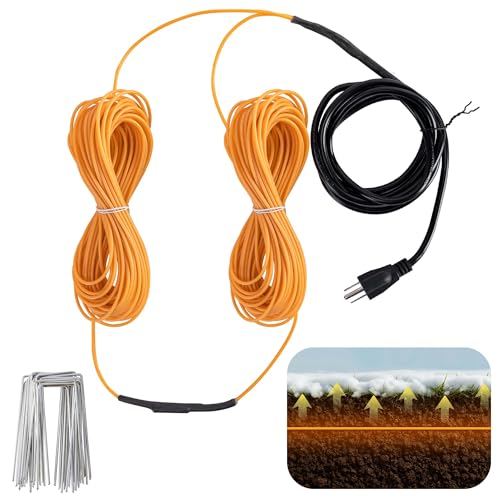
Outstanding Performance:Soil heating warming cable with a length of 18m x 2/59ft x 2, is specifically designed for gardening enthusiasts. It effectively raises soil temperature to promote seed germination and plant growth, particularly suitable for early spring or cold regions. Whether in greenhouses, seedbeds, or cold frames, it maintains soil temperature to improve survival rates.

heater cable : Energy saving electric soil heater cable which can quickly heat up and warm soil , with an electric heating conversion efficiency of over 98%, saving electricity and energy. The wires are soft, easy to plan into the shape you need and anywhere you need .the plant soil warming cable is not prone to aging and weathering, and durable to use many years. No fire, safer and low maintenance .

Stylish Warm Design:For this stylish rabbit cage, we use a special technique to print a beautiful pattern, and at the same time, you can write your pet's name on the top of the pattern!
3. Raised Rabbit Cubbies
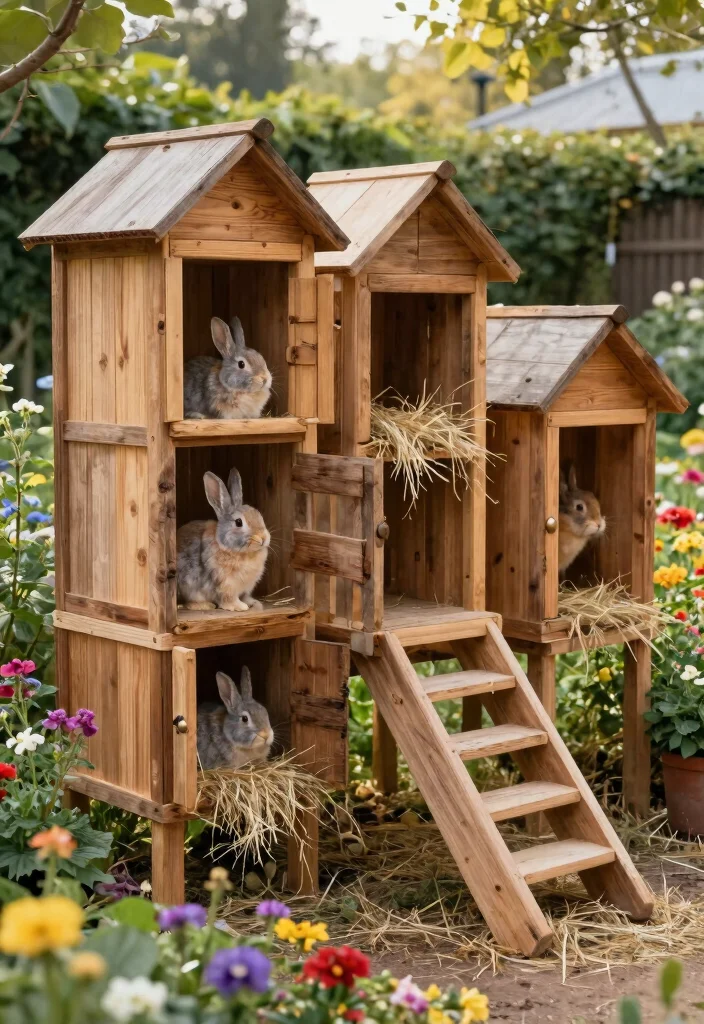
Elevate your rabbit housing with raised cubbies that offer both warmth and safety. Building these structures a few feet above ground helps prevent moisture from seeping in, which is crucial in cold weather. Each cubby can have individual compartments, giving each rabbit a cozy retreat of their own.
Adding thick insulation and bedding like hay will help maintain a warm interior.
Consider these aspects when crafting your raised cubbies:
– Use a lattice base for excellent drainage.
– Position them to face the sun for natural heating.
– Ensure each compartment has easy access for cleaning and feeding.
– Implement a sliding door for added security when you’re not around.
This design not only keeps your rabbits comfortable but also simplifies care and maintenance.

Small Animal Playpen Info: Overall Size: 86.5" W x 33.5" D x 40.5" H. Main Door: 7" W x 8.5" H. Side Door: 15.5" W x 17.25" H. Roof Size: 49.25" L x 43.25" W. Suitable for small animals, such as rabbits, chickens, and chinchillas. Easy assembly.
【3 Leak-Proof Pull-Out Trays】 Includes 3 separate deep trays that are completely waterproof. Designed with seamless one-piece molding to prevent any leaks. The smooth plastic surface can be wiped clean in seconds for ultimate ease.

Portable Chicken Coop: This coop folds compactly for easy storage. Weighing only 17 lbs and features a built-in handle for effortless transportation, can be conveniently moved, allowing your small animals to frequently enjoy fresh grass for activity and foraging
4. Straw Bales and Tarp Shelter
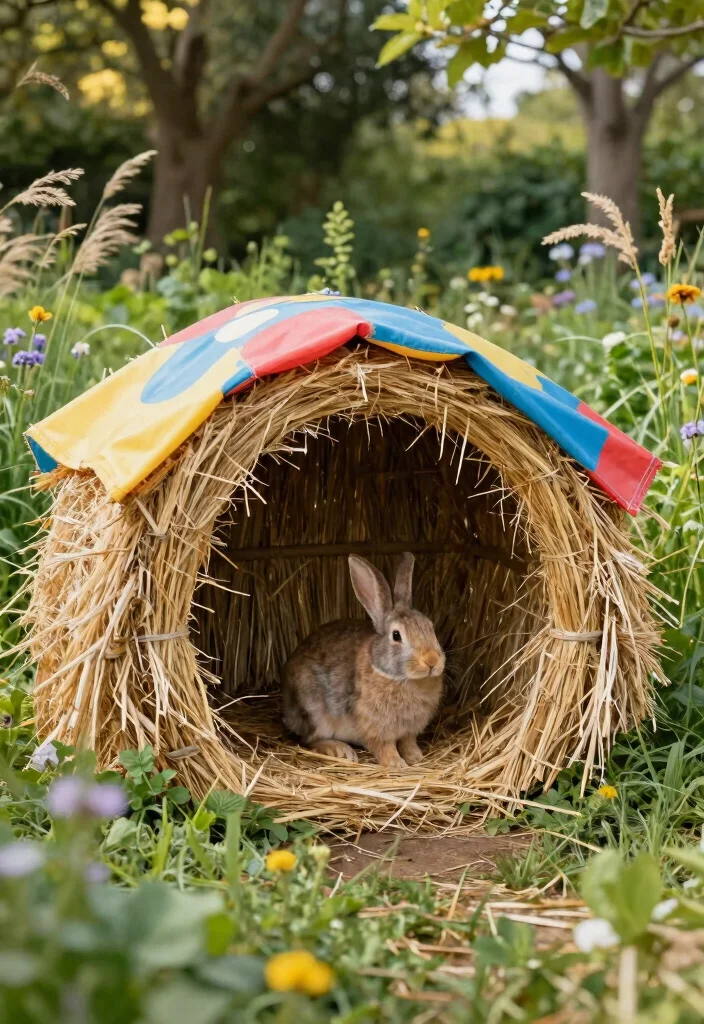
For a quick and inexpensive solution, consider using straw bales to create a shelter for your rabbits. By arranging straw bales in a circular formation and covering the top with a tarp, you create a warm refuge that shields them from the elements. This cozy setup offers excellent insulation against the cold, as the bales naturally help regulate temperature.
To maximize the effectiveness of your straw bale shelter, keep these tips in mind:
– Secure the tarp to withstand strong winds.
– Position it in a sheltered area to protect against harsh weather.
– Change out the straw regularly for hygiene.
– Create multiple entrances to allow easy access.
Your rabbits will find this shelter warm and inviting, even on the coldest days.

100% Natural & Soil-Safe Straw: Made from sun-dried wheat straw with no chemicals or weed seeds. It can safely break down into the soil, improve soil structure, and support organic gardening while keeping plants healthy and protected

100% Natural Wheat Straw,that has been dried to ensure it is free of weed seeds and will not germinate during use.

Organic – All-Natural Premium Clean Processed Straw
5. DIY Pallet Rabbit House
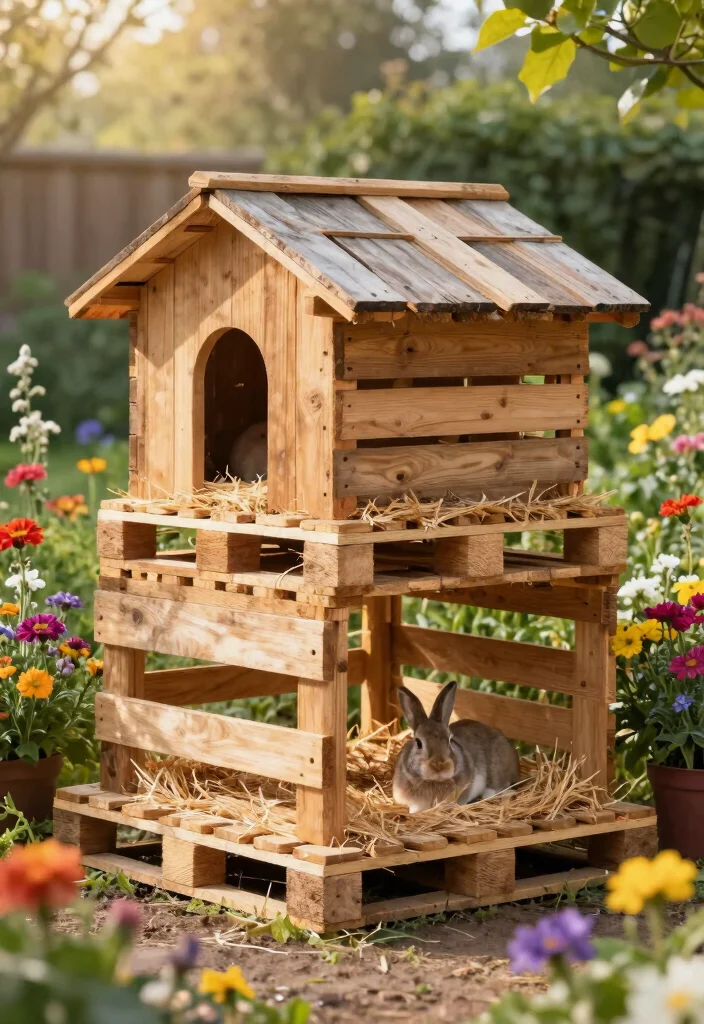
A DIY pallet rabbit house is an eco-friendly and innovative option that provides warmth and shelter. By using wooden pallets, you can create a multi-level structure that offers elevation and insulation for your rabbits. Filling gaps with straw or hay makes it a cozy home.
Don’t forget to secure the pallets together for stability.
Here’s how to get started with this idea:
– Choose untreated pallets to avoid harmful chemicals.
– Lay down a waterproof tarp underneath for moisture protection.
– Design individual compartments for each bunny for privacy.
– Add a roof to shield against rain and snow.
This pallet house not only keeps your rabbits warm but also promotes sustainability.

COZY HIDEAWAY: Versatile hideout designed for use inside the home or outdoors, providing a safe, enclosed space for rest, retreat, and relaxation

OUTDOOR CAT HOUSE: A cozy shelter for indoor and outdoor use. The sturdy construction features pet-friendly Pine wood with a weatherproof water-based stain - protecting your feline friend from all the elements

Comfortable Cat Shelter: Made from high-quality fir wood, this outdoor cat house is durable and resistant to cracking or warping. It effectively withstands bad weather conditions, providing a warm and cozy home for your feline friend. Note: The smell from the wooden cat shelter is normal and is characteristic of natural fir wood.
6. Snow-Proof Rabbit Run
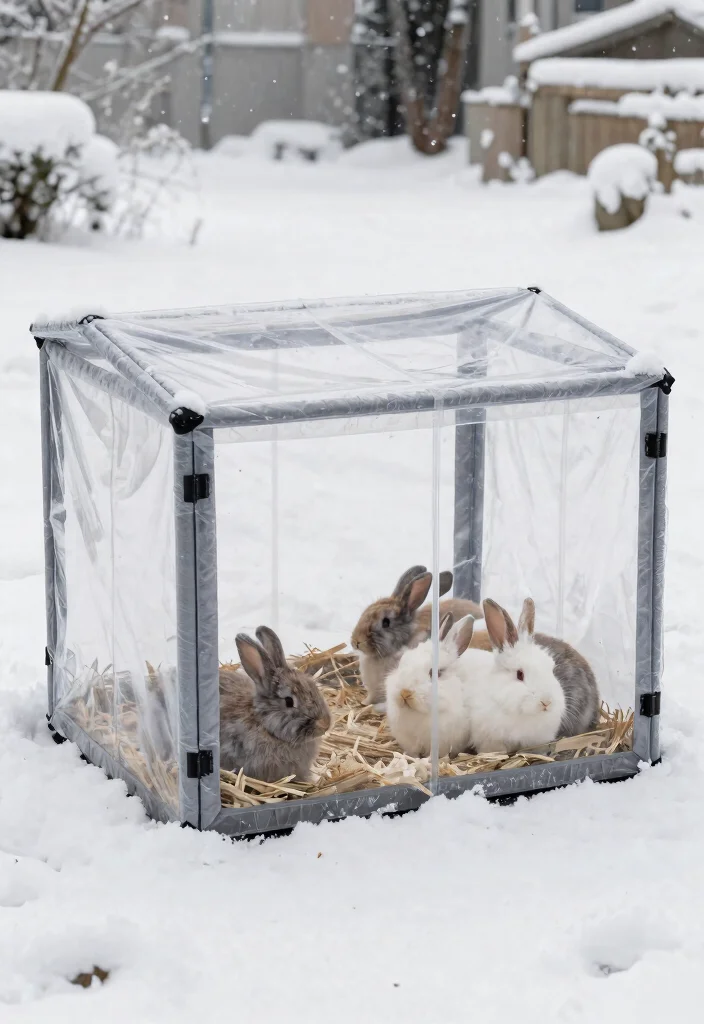
Creating a snow-proof rabbit run is essential for letting your pets enjoy the outdoors during winter while keeping them safe. Construct a sheltered run with a sturdy frame and clear plastic panels to block wind and snow while allowing visibility. Insulating the floor and using straw or hay as bedding ensures a comfortable temperature.
Here are tips for creating a successful snow-proof rabbit run:
– Ensure there are no sharp edges or protruding objects.
– Use sturdy materials that can withstand snow loads.
– Include burrowing areas with straw for nesting warmth.
– Regularly check for ice buildup around the entrance.
This setup allows your rabbits to enjoy the winter scenery safely.

More Secure Door Lock Design: Different from the traditional door lock the chicken cage with automatic gravity lock design. which is easier to close the door, and the side door design hook buckle door locks. Simple operation, prevent any animals from entering or opening the door, give your chickens, ducks, geese, rabbits and other pets a safe space.

【Rust-Resistant Heavy-Duty Steel Frame】: Built with premium high-strength steel and advanced galvanization, this chicken coop is designed to withstand corrosion and rust, even in the toughest outdoor environments. The sturdy construction ensures your chickens have plenty of room to roam freely, while heavy-duty zip ties provide additional protection against predators, keeping your flock safe and secure

Durable Galvanized Structure & Predator-Proof: Crafted with a high-quality galvanized steel frame and heavy-duty hardware cloth, this chicken coop provides a sturdy, rust-resistant home for your poultry. The small mesh gaps effectively prevent predators like foxes or raccoons from entering, ensuring 24/7 safety
7. Use of Soil Heat Cable
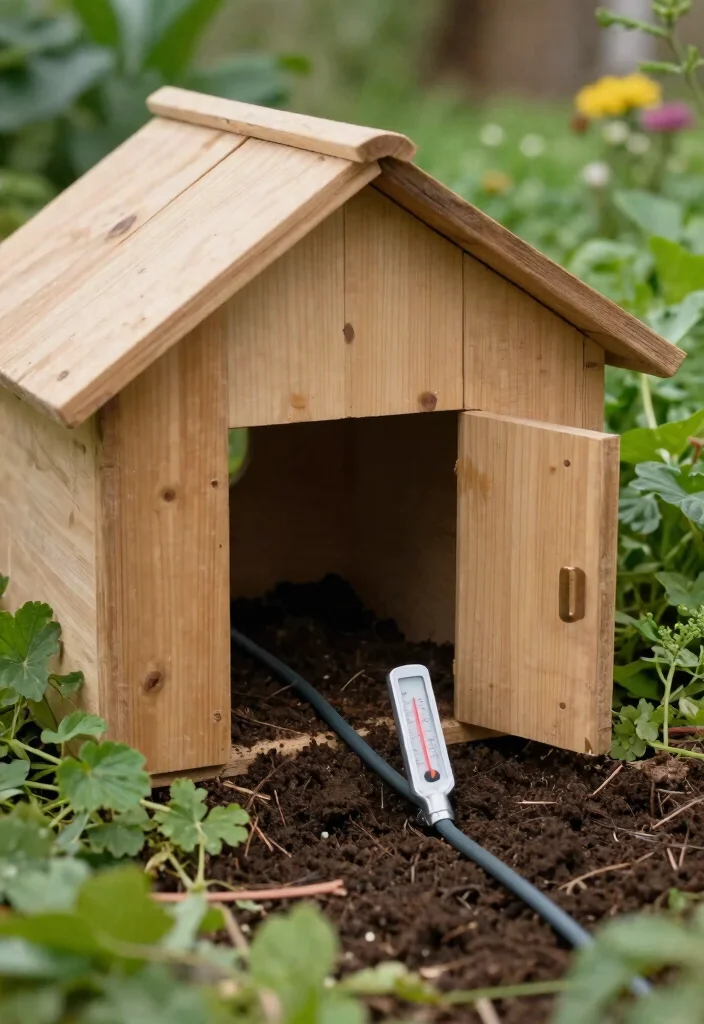
Consider incorporating soil heat cables beneath your rabbit house to keep them warm. These cables emit heat, warming the soil and creating a comfortable environment. Install them carefully and ensure they are buried deep enough to avoid chew accidents.
Here are insights on using soil heat cables:
– Choose energy-efficient models to save on electricity.
– Use timers to regulate when the cables operate.
– Monitor the temperature regularly to ensure effectiveness.
– Pair with insulation materials for maximum warmth.
This approach can help maintain a cozy atmosphere for your rabbits year-round.

95 °F/35 ℃ A suitable temperature for plants : soil Heating cable conduct heat through media (soil, sand) and dissipate heat to plants. So when the heating cable wire is heated to 131 ° F/55 ℃, the temperature your plant feels is only 95 °F/35 ℃.The soil heating cable is thermostat131°F/55℃ , when the temperature is lower than 131°F/55℃, the cable starts to heat, and when it is higher than 131°F/55℃, the cable will automatically stop heating .

Product information and Safety : Power: 205 W; Voltage: 120 V. Electric heating cable Length 15M*2/100ft . the soil heating cable is built with carbon fiber and copper nickel-chromium alloy wire. the electric soil warming cable is ETL-listed plug and FEP insulation protection ,can withstands moisture and weather exposure ,guarantees safe working during use.

Outstanding Performance:Soil heating warming cable with a length of 9m x 2/29.5ft x 2, is specifically designed for gardening enthusiasts. It effectively raises soil temperature to promote seed germination and plant growth, particularly suitable for early spring or cold regions. Whether in greenhouses, seedbeds, or cold frames, it maintains soil temperature to improve survival rates.
8. Portable Rabbit Hutches
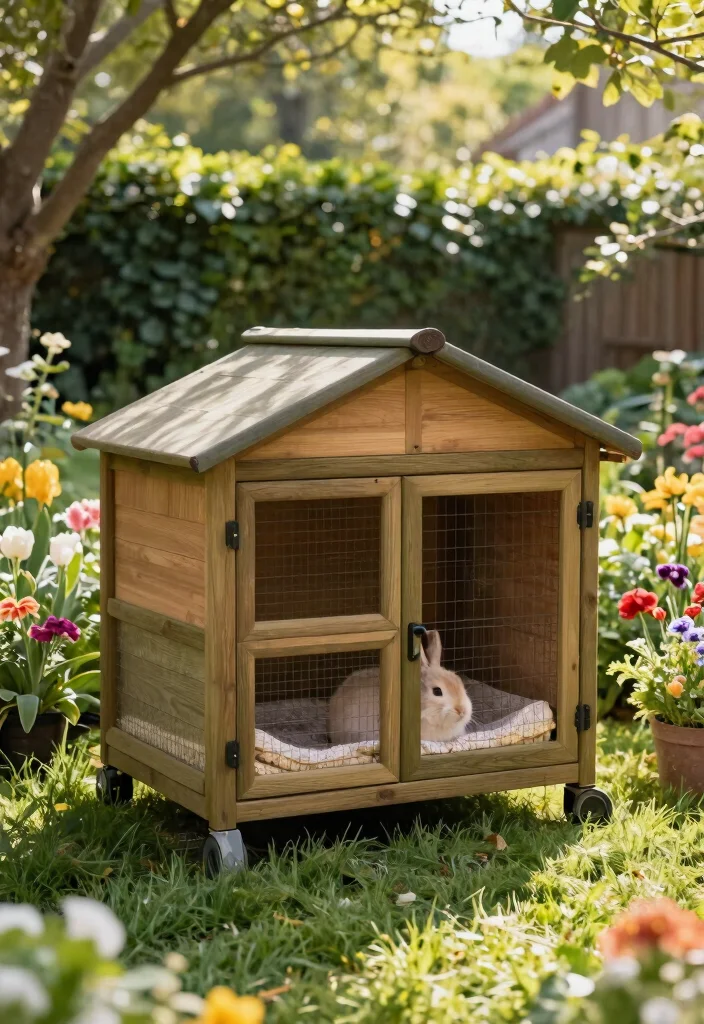
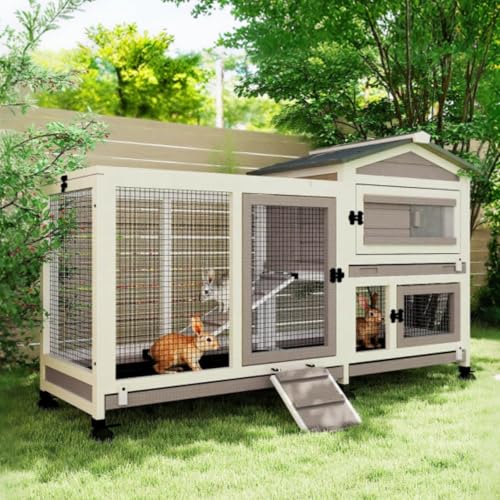
Portable rabbit hutches offer a versatile and safe outdoor living option for your bunnies. These structures can be easily moved around your yard, allowing your pets to explore new areas while remaining secure. Ensure the hutch is well-insulated and has a solid roof to protect against rain and snow.
Keep these tips in mind when considering a portable hutch:
– Use wheels or handles for easy mobility.
– Ensure it has openings for proper ventilation.
– Include a nesting area filled with hay for warmth.
– Check for any gaps that predators could exploit.
This setup gives your rabbits a safe space while allowing them to enjoy the outdoors.

【Spacious Comfort】Give your pets a secure and cozy sanctuary. This 24-inch wooden hutch offers excellent ventilation and a raised design to maintain a dry, clean, and airy environment—perfect for rabbits, guinea pigs, and other small animals.

【Versatile Poultry Enclosure】Our rabbit pen measures 42.32“(L) x 45.47”(W) x 20.28"(H), giving your critters a spacious and comfortable space to live and play.

Portable Chicken Coop: Weighing only 15.5 lbs for effortless transportation, it can be conveniently moved between indoor and outdoor settings, allowing your small animals to frequently enjoy fresh grass for activity and foraging
9. Multi-Level Rabbit Towers
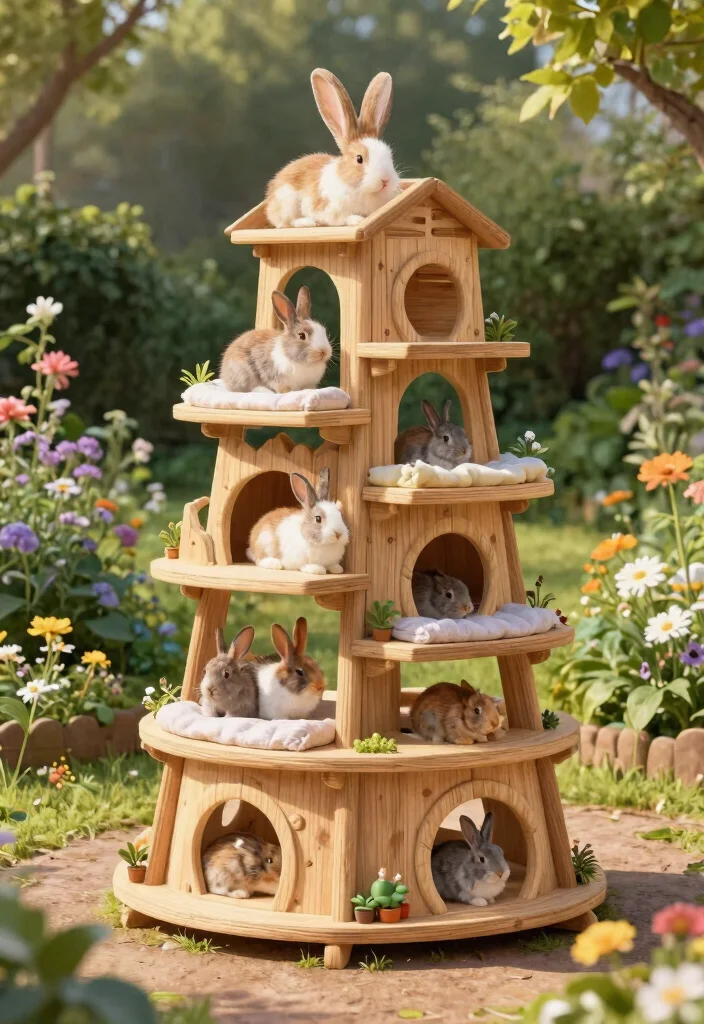
Multi-level rabbit towers create an exciting vertical space for your rabbits to explore while ensuring their warmth and safety. These structures feature platforms and climbing areas that encourage natural behaviors like jumping and exploring. Make sure the tower is well-insulated and includes cozy corners for resting.
Check out these construction tips:
– Use sturdy materials that support rabbit weight.
– Invest in non-slip surfaces for safety.
– Incorporate hiding spots and tunnels for added playtime.
– Regularly inspect for wear and tear to ensure safety.
With this design, your rabbits will have a fun and secure environment to thrive.

100% Natural Wheat Straw – Free of additives and chemicals

100% Natural & Soil-Safe Straw: Made from sun-dried wheat straw with no chemicals or weed seeds. It can safely break down into the soil, improve soil structure, and support organic gardening while keeping plants healthy and protected

Premium natural straw construction: Authentic mini hay bale crafted from durable, high-quality straw material that maintains its rustic charm throughout fall season for creating professional-looking Halloween and harvest decorations
10. Rabbit-Friendly Plantings Around the Habitat
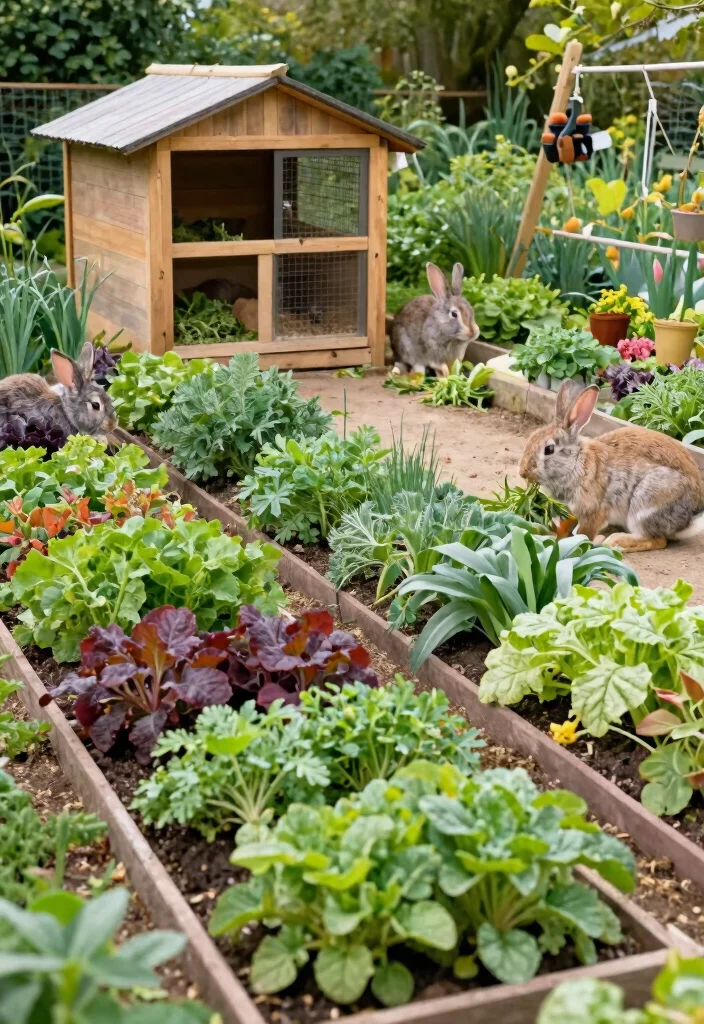
Integrating rabbit-friendly plants around your outdoor shelter enhances both aesthetics and nutrition. Planting herbs and leafy greens not only beautifies the area but also provides your rabbits fresh snacks right at their doorstep. Consider planting herbs like mint, thyme, and basil alongside leafy greens such as kale and romaine lettuce.
Here are key points for this idea:
– Choose safe plants that are healthy for rabbits.
– Create accessible beds around the shelter.
– Regularly harvest and trim plants to promote growth.
– Ensure plants remain free of pesticides and harmful chemicals.
This setup offers your rabbits a nutritious and inviting environment.
❝ Fun fact: A rabbit-friendly herb bed near your rabbit house outdoor can cut foraging trips by 60% and boost nibble-worthy greens. Plant mint, thyme, and basil alongside kale and romaine for quick snacks and tidy borders. Safe plants with accessible beds make rabbits happier.
11. Root Cellar Rabbit Housing
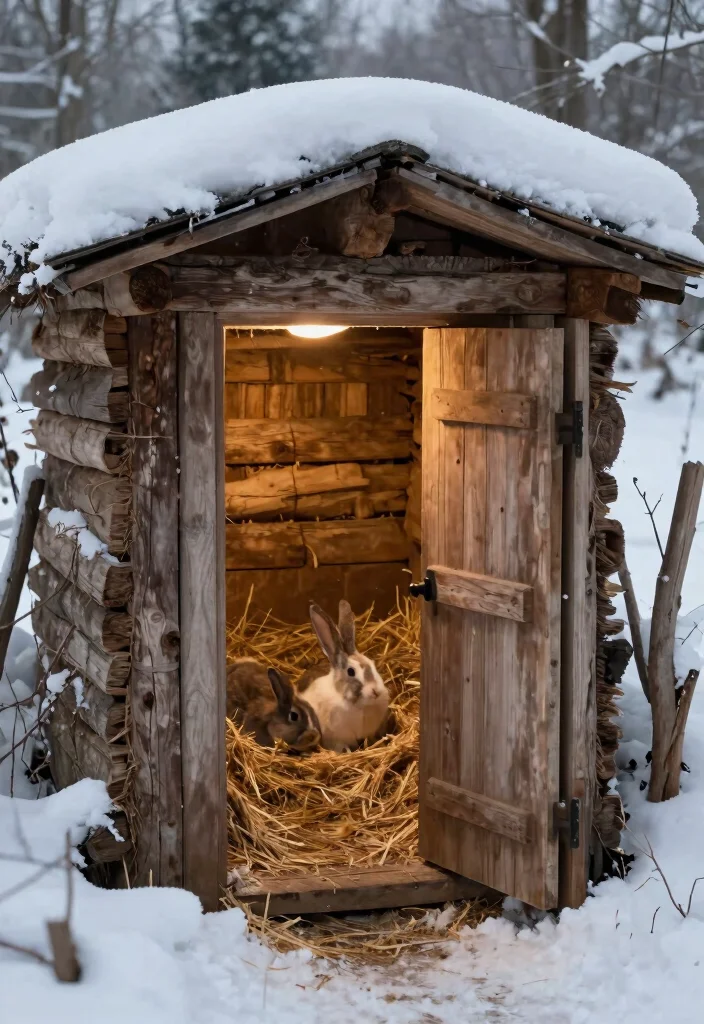
Using a root cellar for rabbit housing is an innovative solution for colder climates. These underground shelters offer excellent insulation and maintain a stable temperature, ensuring your bunnies stay warm even in freezing weather. Make sure the entrance is secure and predator-proof.
Here’s how to make the most of this idea:
– Insulate the interior with straw or hay for added warmth.
– Install proper ventilation to avoid humidity buildup.
– Keep the living area clean to promote hygiene.
– Use a sturdy door that withstands the elements.
This unique approach provides your rabbits a safe and warm home all winter long.
12. Community Rabbit Sanctuaries
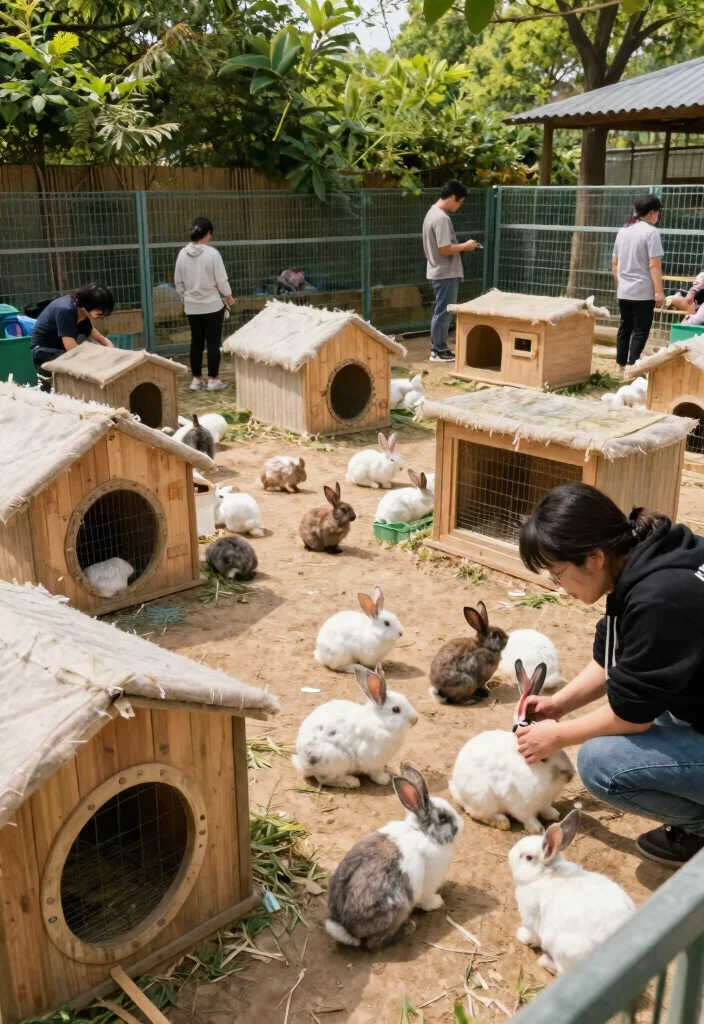
Community rabbit sanctuaries offer a wonderful solution for those who want to care for rabbits while providing a secure environment. By partnering with local organizations, you can create a shared space that pools resources and knowledge, ensuring each rabbit receives the best care possible.
In these sanctuaries, build robust shelters equipped with insulation and safety measures, all while fostering a nurturing environment for the rabbits.
Here are some benefits of community rabbit sanctuaries:
– Share costs and resources for shelter construction.
– Promote education on rabbit care and sustainability.
– Establish a safe space for rescue rabbits.
– Create a social hub for rabbit enthusiasts.
This collaborative effort not only enhances care but also strengthens community bonds.
Fun fact: 2-4 households sharing rabbit sanctuaries can cut predator encounters by up to 50% with insulated, predator-proof shelters for the rabbit house outdoor setup. When neighbors pool resources, every bunny enjoys warmer, safer housing and better wellbeing.
Conclusion
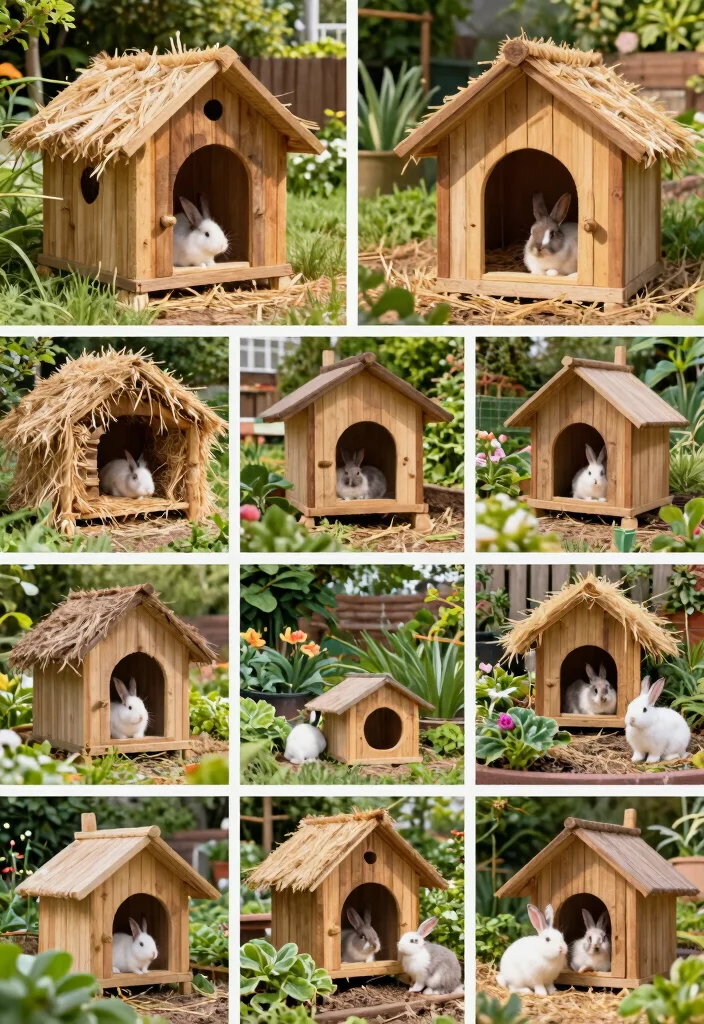
With these innovative outdoor rabbit house ideas, you can create a warm and predator-proof environment for your beloved pets.
From insulated wooden huts to community sanctuaries, each option has unique benefits that cater to the needs of your rabbits.
By combining creativity with practicality, your outdoor rabbit habitat can thrive, ensuring your bunnies enjoy a happy and healthy life.
Note: We aim to provide accurate product links, but some may occasionally expire or become unavailable. If this happens, please search directly on Amazon for the product or a suitable alternative.
This post contains Amazon affiliate links, meaning we may earn a small commission if you purchase through our links, at no extra cost to you.
Frequently Asked Questions
What features make a rabbit house outdoor suitable for cold climates, and how can I insulate it effectively?
To make a rabbit house outdoor suitable for cold climates, prioritize warmth and wind protection. Choose a design with a double wall or insulated panels, a floor raised off the cold ground, and a draft-free entry. Fill the interior with thick, clean straw and use deep bedding to trap heat. Ventilate to prevent moisture buildup by adding small, screened vents near the top. Regularly check for drafts and seal gaps as seasons change. For best results, invest in insulated rabbit houses and treat your setup as a complete rabbit house outdoor solution that stays warm in winter.
Tip: a removable roof panel makes cleaning easier, and a weatherproof cover helps protection during storms. In practice, this also supports rabbit shelter ideas that are easy to maintain.
What are practical rabbit shelter ideas that stay warm and are predator-proof?
Practical rabbit shelter ideas that stay warm and predator-proof include a raised, snug hut with insulation, a secure run with predator-proof rabbit enclosures hardware, and wire mesh buried a few inches to deter digging. Use a sturdy roof to keep rain and snow out, and add a sheltered alcove for naps. Keep bedding dry by elevating the floor and using a moisture barrier. This setup aligns with outdoor rabbit protection goals and offers easy access for feeding and cleaning.
And remember to bolt down doors and choose latches designed for outdoor use to prevent curious predators from prying them open. Designing with gardening for rabbit habitats in mind helps blend safety with aesthetics.
How can I improve outdoor rabbit protection without sacrificing ventilation?
Outdoor rabbit protection should balance safety and airflow. Use a solid base, raised floors, and durable hardware cloth with small mesh to prevent predators from reaching in. A roof overhang and high-positioned vents ensure good ventilation without drafts. Bury fencing a few inches and extend mesh into the ground to stop digging. For ultimate security, opt for predator-proof rabbit enclosures with locking doors and weatherproof materials.
Periodically inspect for gaps after storms and reseal any worn seams. This keeps your outdoor rabbit protection robust while maintaining a healthy environment for your rabbits.
How much space and what layout is recommended for a small rabbit group in an outdoor setup?
When planning space for a small rabbit group, aim for roughly 3-4 square feet of sleeping area per rabbit inside the shelter, plus 8-12 square feet of protected run per rabbit and a larger, accessible outdoor area if possible. A well-designed layout includes a warm den, a separate foraging zone, and a clean water and hay station. Keep the shelter raised off damp ground and use double doors or a swing-out design to minimize drafts. This approach supports sustainable gardening for rabbit habitats and ensures rabbits have room to move, jump, and explore.
Tip: rotate access to the run for cleaning and predator checks, and provide shade in summer to prevent overheating.
What maintenance tips help keep a rabbit house outdoor safe and clean year-round?
Maintenance keeps a rabbit house outdoor safe and cozy year-round. Start with a regular cleaning schedule: remove soiled bedding, disinfect surfaces, and replace with fresh straw. Check insulation seasonally and add or adjust coverings to cut drafts during the cold months. Ensure drainage around the base and that the floor stays dry. Inspect locks, latches, and mesh integrity after storms to maintain predator-proof rabbit enclosures and outdoor rabbit protection. With routine care, your rabbit house outdoor remains warm, dry, and inviting for your rabbits.
Related Topics
rabbit house outdoor
sustainable gardening
insulated rabbit houses
predator-proof enclosures
cold climate solutions
rabbit shelter ideas
outdoor rabbit protection
DIY rabbit habitats
beginner friendly
winter rabbit care
eco-friendly housing
garden integration