I love sectionals for squeezing extra seating into tight corners. My L-shaped setup fits eight people where a regular couch only managed four. Modular pieces let me rearrange for movie nights or sleepovers, but I’ve learned that U-shapes over 96 inches can swallow a whole room. The fixed footprint locks you into one layout, and everyone ends up staring at the TV instead of each other. I’ve solved the awkward coffee-table reach with two 18-inch storage ottomans for snacks and drinks. Quality hardwood frames last 10-15 years with basic care, though cheap ones sag fast. Floating your sectional away from walls instead of pushing it against them improves functionality and visual flow.
Sectional Sofas Maximize Seating in Tight Spaces
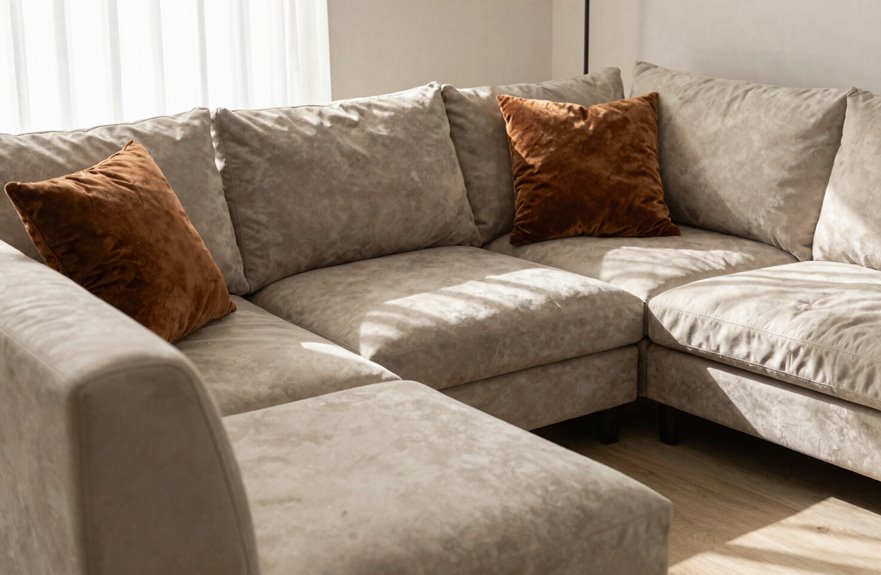
Ever considered how to fit more seating into a small living room without overwhelming the space? Sectional sofas are highly effective for maximizing seating in compact areas.
I discovered this firsthand when I placed an 84-inch L-shaped sectional from IKEA into my 10×12 foot apartment. Instead of blocking pathways like separate pieces would, it tucked perfectly into the corner and added three seats without elongating the room.
L-shaped and chaise configurations work well in tight spots, using otherwise wasted corner space. Oversized U-shaped sectionals can dominate and make your room feel cramped instead of cozy. Measure carefully. Stick to compact footprints under 96 inches, and you’ll create that welcoming seating zone without sacrificing flow.

Tool-Free Assembly & Ready to Use: Skip the hassle of traditional furniture—no tools, screws, or complicated instructions needed. This sectional sofa arrives vacuum-packed for safe delivery and easy handling. Simply unbox, remove the packaging, and let each piece expand naturally. Within 24–48 hours, the cushions fully regain their shape and comfort. With no learning curve, it’s ideal for apartments, first homes, rentals, or housewarming gifts—effortless, intuitive, and stress-free from day one.

Delivered in 3 Separate Packages: Considering the large volume of product packaging, in order to meet practical needs and facilitate transportation, this 4-seater L-shaped couch will be divided into 3 separate packages for delivery, so they may not arrive at the same time. Package 1: one single sofa and one ottoman. Package 2: 2 single sofas and 2 throw pillows. Package 3: left and right armrests for the couch

[Hidden Armrest Storage for a Clutter-Free Space] Designed with discreet storage compartments built directly into the armrests, this sectional sofa offers a smart and space-saving solution for organizing blankets, pillows, books, and everyday essentials. Keep your living room tidy and functional without the need for extra storage furniture, while maintaining a sleek, streamlined look.
Modular Sectional Pieces Adapt to Changing Needs
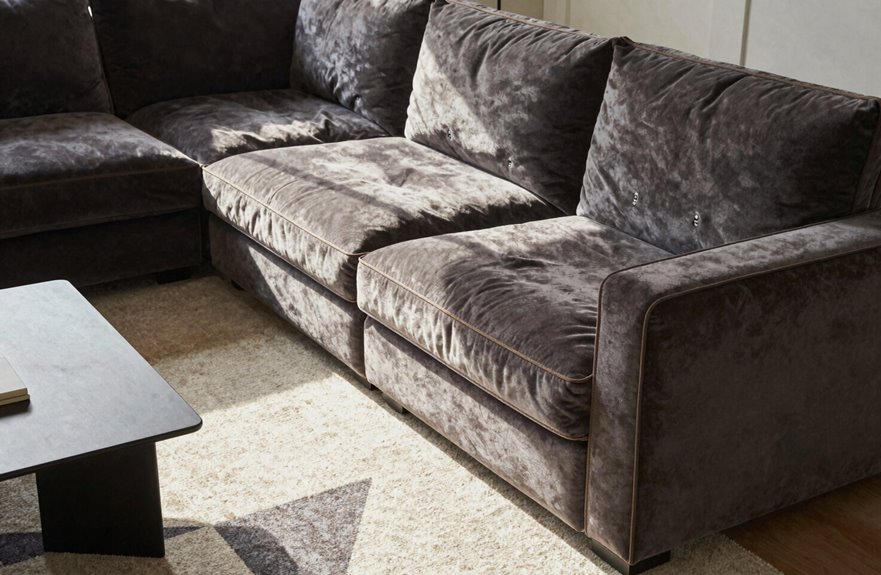
How often do you rearrange your living room and wish your furniture would cooperate? That’s the appeal of modular sectionals. I can shift pieces around whenever I need room flexibility.
Last month, I split my West Elm Harmony 3-piece (each section is 33″ wide) into two cozy seating arrangements for game night. My friends appreciated having their own zones. When my sister visits, I push them together for one big lounge spot.
| Scenario | My Move | Result |
|---|---|---|
| Movie marathon | Connect all 3 sections | Giant 99″ couch |
| Intimate chat | Split into L-shape | Two facing zones |
| Kids’ sleepover | Separate into singles | Individual nests |
| Holiday party | Add my ottoman piece | Extra seating |
| Solo reading | Just one 33″ piece | Perfect nook |
Growing family? You can add sections later. Pieces may shift slightly, but that flexibility beats being locked into one layout.

SET OF 10-PIECES: Don't let your U-shaped sofa dictate your home décor style! Custom modular sofa cushion covers adapt to any combination curve. Featuring 4 backrest covers, 2 seat cushion covers and 2 chaise loungue cushion covers and 2 armrest covers. Effortlessly install in sections to preserve your couch's original texture while allowing for fresh looks whenever you wish

MATCHING SEAT CUSHION COVER: Don't let your U-shaped sofa dictate your home décor style! Custom modular sofa cushion covers adapt to any combination curve. 10 Pieces Set Featuring 4 backrest covers, 2 seat cushion covers, 2 chaise loungue cushion covers and 2 armrest covers. Effortlessly install in sections to preserve your couch's original texture while allowing for fresh looks whenever you wish

SET OF 10-PIECES: Don't let your U-shaped sofa dictate your home décor style! Custom modular sofa cushion covers adapt to any combination curve. Featuring 4 backrest covers, 2 seat cushion covers, 2 chaise loungue cushion covers and 2 armrest covers. Effortlessly install in sections to preserve your couch's original texture while allowing for fresh looks whenever you wish
Sectionals Lock You Into One Room Configuration
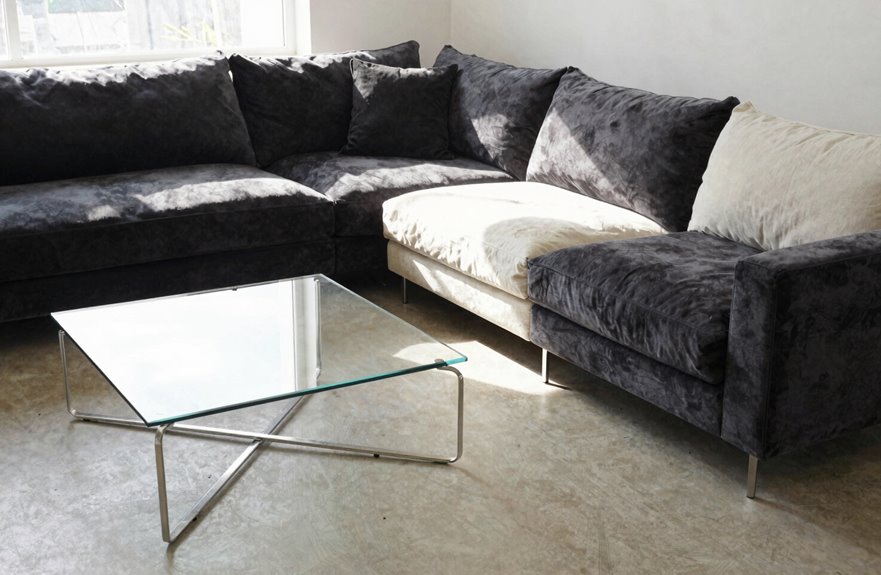
Where exactly am I supposed to put this thing once it’s in my living room? That’s the question that hit me when I realized my sectional footprint was basically permanent. I can’t just scoot it around like my old loveseat and chair combo. The fixed layout means I’m stuck with one room configuration, and that feels frustrating when I want to refresh my space.
The traffic flow gets locked in too. My U-shaped sectional creates these predefined paths that everyone follows, and changing them is nearly impossible. When I hosted game night last month, I couldn’t quickly reseat people because the sectional dominated everything.
Larger sectionals especially reduce versatility when walls change or functions shift. I love my cozy setup, but I miss being able to experiment. Sometimes I just want options.

Quality Material: Our convertible sleeper sofa bed is made for tactile luxury with premium corduroy fabric, woven for velvety softness. Paired with high-density sponge cushioning, this sofa offers cloud-like support that retains its shape through years of lounging, naps, and playtime

Premium Corduroy & Comfortable Support Foam Couch:Made with soft, skin-friendly corduroy fabric, this sectional couch delivers a cozy feel and textured look for modern living rooms. High-density foam cushions provide balanced support and comfortable seating for relaxing, reading, lounging, or watching TV.

Premium Corduroy & Comfortable Support Foam Couch:Made with soft, skin-friendly corduroy fabric, this sectional couch delivers a cozy feel and textured look for modern living rooms. High-density foam cushions provide balanced support and comfortable seating for relaxing, reading, lounging, or watching TV.
Sectionals Block Face-to-Face Conversation
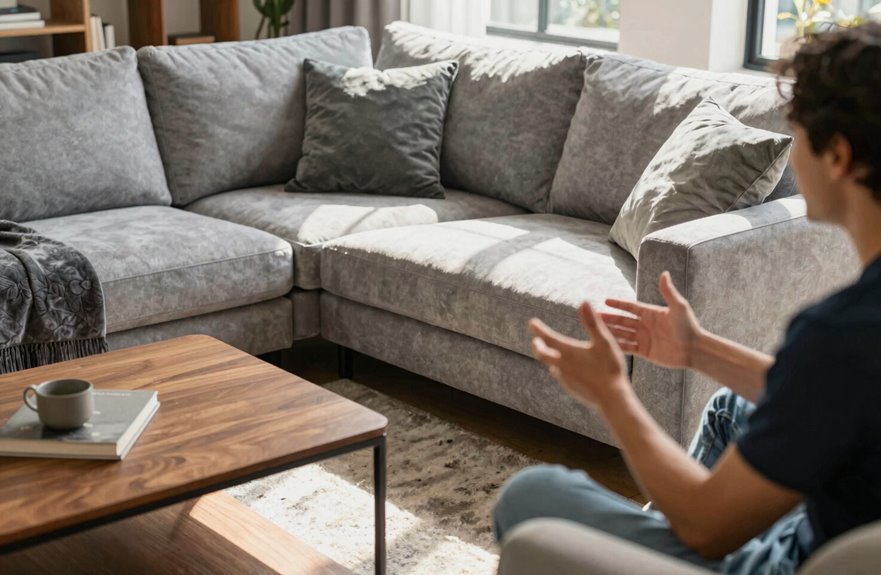
Why do my guests always end up staring at the wall instead of each other? I’ve noticed my sectional conversation setup creates this weird dynamic where everyone faces the TV or one corner. It’s frustrating.
My L-shaped seating arrangement limits real face-to-face interaction. Sure, two sides can see each other, but anyone stuck in the middle section ends up basically talking to knees. I want my friends to feel connected, not isolated.
To fix this problem:
- Angle the chaise so seating faces center, not the wall
- Add a swivel chair across from the main section for better sightlines
- Float the sectional away from walls to create natural conversation pockets
Interior designers consistently recommend this principle: don’t let every seat point one direction. When I switched to a classic sofa with chairs instead, everyone could actually see each other.

OTTOMAN WITH STORAGE: Our Decorative Storage Ottoman is a stylish storage solution for pillows and blankets in any room of your home | A great accompaniment to any living room or bedroom furniture

MODERN BUTTON-TUFTED DESIGN: Clean lines and subtle button tufting bring soft texture and understated style to your space. Upholstered in a warm cream woven fabric for a timeless look that blends effortlessly with modern, farmhouse, or transitional décor.

This storage ottoman can be used with the Atley sofa to create a L-shaped chaise, with the Atley armchair as a foot stool, or topped with a tray as a coffee table
Sectionals Make Food and Drink Placement Awkward
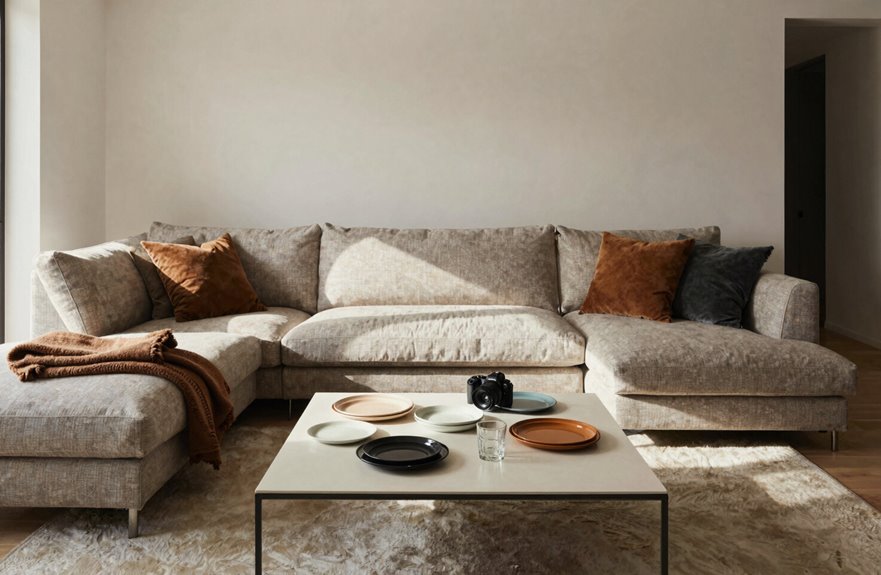
The coffee table situation is what finally broke me. I loved my sectional until I tried hosting game night. Sectional access becomes a puzzle when everyone’s reaching for snacks at once. Drink placement turns into a juggling act because the L-shape blocks table accessibility from half the seats. I’ve watched guests awkwardly stretch across cushions just to grab their sodas.
The struggle gets real during big events. You’re constantly rearranging people just to set down plates. Adding ottomans solves this problem. I grabbed two 18-inch storage ottomans from Target and suddenly everyone had landing zones. Position them strategically and you’ve got instant surfaces without sacrificing flow. This prevents spills and allows guests to safely place drinks and snacks while seated.

Oversized Deep Seat Sofa: The EASE MOOSE oversized Modular couch spacious and soft seat provides you with the ultimate comfortable experience. Each individual seat size: 33.86 inches wide x 34.25 inches deep x 37.4 inches high, far exceeding most sofas. The backrest height is increased from the common 16.5 inches to 19.7 inches, which can more comfortably support your back and neck. This sofa combines elegance and practicality, making it a cozy and stylish addition to any living room

Multifunctional Ottomans: Double as side tables, footrests, or extra seating. Reconfigure them endlessly to match your mood or space needs

Cloud-like Design:This large L shaped couch provides a truly cloud-like sitting experience with its high-resilience foam filling, thick armrests, and deep cushions that deliver excellent elasticity and support. The soft, skin-friendly chenille fabric used in this deep seat modular sofa adds both comfort and a touch of luxury. The removable pillow covers make cleaning easy and convenient.
Sectionals Overshadow Your Room’s Other Features
How does one little couch manage to steal the entire show? I’ve seen it happen. My sectional completely overshadowed my gorgeous fireplace and that vintage painting I scored at a flea market. The thing just dominates.
When your seating hogs all the attention, your room features fade into the background. You’ve got to fight for balance. These solutions actually work:
- Mount tall art or shelving behind the sectional to draw eyes upward
- Add a bold floor lamp or tall plant beside it for height contrast
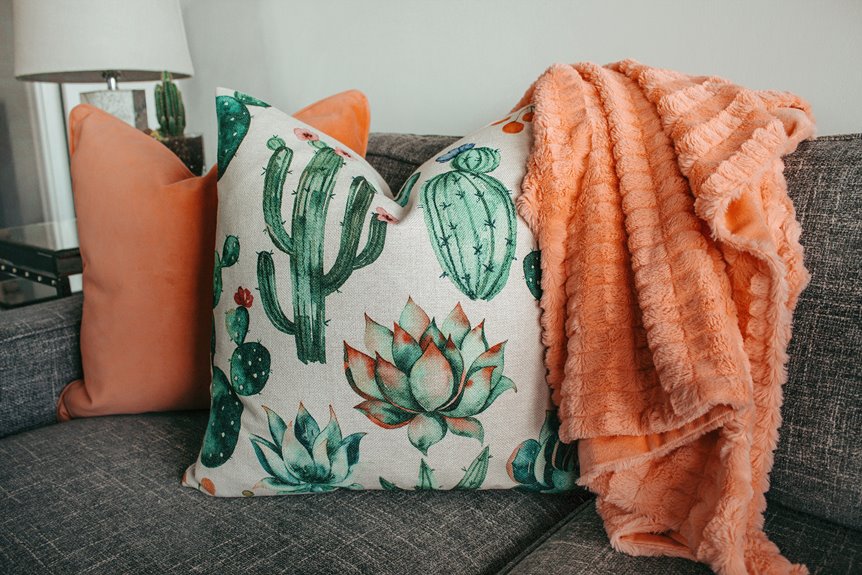
- Layer in colorful throw pillows that echo tones from other décor
Without these tricks, your visual hierarchy crashes. Your sectional wins, and everything else disappears. My living room looked like a furniture store instead of my home until I made these changes.

Smart Storage Solutions: Hidden storage ottomans keep clutter at bay. Ottomans of the sectional couch have built-in storage for pillows, toys, or whatever you want

Multiple Package Issues: Multiple package may not arrive at the same time. If you have any questions about the tracking numbers or the tracking state of the sectional sleeper sofa we will help you

No Assembly Required, Ready to Use: Say goodbye to tedious furniture assembly! Our minimalist sofa requires no tools and offers instant comfort. Simply unpack and relax-experience cloud-like comfort in just a few minutes, with its full luxurious state achieved within 72 hours
Sectional Durability Equals Regular Sofa Durability
A sectional’s staying power comes down to what’s inside: solid hardwood frames and double-doweled joints beat fancy price tags every time. I’ve seen a $2,400 West Elm Harmony 92″ sectional outlast a $900 bargain find by years because it had corner-blocked construction and 2.2-density foam. Treat it right with monthly vacuuming and immediate spill cleanup, and you’ll squeeze an extra 3-4 years out of any piece, sectional or standard sofa, with proper maintenance.

✅EXCELLENT FABRIC - We've upgraded our jacquard fabric to be more durable, softer and comfortable than ever. Compared with other ordinary sectional sofa covers, it has better dustproof, tear resistant, scratch proof and anti-wrinkle performance. Perfect by itself or as an extra furniture surface blanket on cold nights, its smooth and ultra-cozy softness offers the utmost comfort all year round.

💖Upgrade Fabric: We've upgraded our jacquard fabric to be thicker, softer and more durable than ever, featuring enhanced premium microfiber. Compared with other ordinary sectional sofa covers, it has better breathability, dustproof, scratch proof and anti-wrinkle performance. Perfect by itself or as an extra sectional sofa chaise surface blanket on cold nights, its smooth and ultra-cozy softness offers the utmost comfort all year round.

【5-in-1 Convertible Design】Flexible modular setup with detachable armrests converts into bistro, loveseat, 3-seat bench or full sofa set. Backrest adjusts multiple angles under chaise lounge mode for sunbathing, ideal for balcony, patio and poolside.
Construction Quality Matters
Why does one sectional fall apart after five years while another looks brand new at fifteen? The answer is construction quality. You need to get this right so you’re not stuck with a saggy mess.
What separates the gems from the junk:
- Solid hardwood frame/joints that don’t creak when your kid jumps on them
- High-density fabrics that laugh at coffee spills and pet claws
- Reinforced corners where sectionals take the most beating
A well-built sectional matches any quality sofa for durability. Cheap particleboard and wobbly connectors are trouble waiting to happen. I’ve sat on $3,000 sectionals that felt like cardboard and $1,200 ones built like tanks. Price helps, but craftsmanship matters most. Check those seams, lift that cushion, and insist on kiln-dried hardwood. The difference shows up year after year in how your sofa performs.
Proper Care Extends Lifespan
Solid construction gets you started, but even the toughest sectional won’t survive neglect. Sectional care makes the difference between a couch that lasts 5 years and one that lasts 15 years.
Fabric maintenance isn’t complicated. I vacuum my sectional weekly with my Shark Navigator and spot-clean spills immediately with mild soap and water. For my IKEA KIVIK, those washable covers are invaluable. I toss them in cold water every 3 months.
Proper cleaning means checking manufacturer tags. Mine says “W” for water-based cleaner. I rotate cushions monthly and avoid jumping, a rule my kids resent but one worth enforcing.
With consistent care, your sectional matches any regular sofa’s durability. You can expect 10-15 years of regular use. Proper maintenance directly extends the lifespan of your investment and ensures your family gets reliable furniture for more than a decade.