
These outdoor kitchen sink ideas run from a collapsible tub you can set up in minutes to a mortared brick station that takes a full weekend, and the one that fits you depends on whether you need a rinse station for occasional cookouts or a prep sink that handles real volume through a season of grilling.
The deciding factor is plumbing: if you can run PEX from the house, hot water and a proper drain change what the structure can be, while a hose-fed setup with a bucket below keeps the project cheap and permit-free.
1. Wall-Mounted Outdoor Sink

A wall-mounted sink frame bolts straight to stucco or siding and keeps the footprint at zero. I like this setup for narrow patios where a cabinet or base would block traffic.
What you need to check before buying is whether your wall can take the load; stucco over sheathing is fine, but vinyl siding needs a plywood backer plate inside.
The plumbing runs exposed underneath, so plan for a winter shutoff if you are in a freeze zone.
I would use a metal frame over plastic every time; the small cost difference pays for itself when the frame stays rigid season after season.

Utility Free-standing Commercial Sink: This durable, freestanding utility sink is ideal for Kitchen swill ssinkslaundry rooms, garages, basements, bathrooms, and utility spaces. Perfect as a laundry sink, slop sink, or for various heavy-duty cleaning tasks.

Wall Mount Commercial Sink Faucet with 8 Inch Core Specs: Our commercial sink faucet has an 8 Inch Center (fits 7.75"-8.125" holes) and 8 Inch Spout, ideal for commercial kitchen sinks, stainless steel utility sinks, and ceramic laundry sinks. Equipped with dual temperature lever handles, it lets you easily control hot/cold water flow and meets high-frequency use in restaurants.
2. Portable Outdoor Sink

A collapsible tub with a battery-powered faucet runs on its own water jug and drains into a bucket below. I keep one for camping, but it works just as well on a rental deck where permanent plumbing is not happening.
The tradeoff is capacity: the tub holds maybe 4 gallons and the pump runs through batteries fast if you are washing more than a few dishes.
Check that the table you set it on is level; the drain is gravity only and a tilted tub leaves dirty water pooling in one corner.
For a weekend cookout it is enough. For a season of outdoor cooking, I would plumb something fixed instead.

Premium Stainless Steel Construction: Crafted from high-quality stainless steel, offering exceptional corrosion and rust resistance. Its smooth surface is easy to maintain, ensuring long-lasting durability and significantly extending its service life

【Durable and Weather-Resistant】This folding fish station is made of 3" thickness of High Density HDPE and a sturdy steel frame, this fish cleaning table with a sink is built to withstand outdoor conditions and regular use. The size of the tabletop is 45"×23", It can hold up to 650lbs making it a reliable and long-lasting choice for your outdoor activities, the leg height is 36.6"

[Lightweight Portable Sink Without the Bulk]: Enjoy a cleaner, more convenient washing solution wherever you go. Unlike traditional portable sinks with heavy built-in tanks, this freestanding sink is lightweight, compact, and easy to carry, making it ideal for camping, tailgating, RV trips, backyard gatherings, and more
3. Vintage Style Outdoor Sink

A salvaged farmhouse sink under a simple shelter gives an outdoor station some character that stainless steel never will.
I have seen these pulled from remodels cheap, though the haul is the hard part; porcelain weighs more than you expect and cracks if you grip it wrong.
Open shelving keeps tools dry only if the roof overhang is deep enough, and commercial lettering like that tells me this one came from a salvage yard rather than a residential demo.
If you go this route, check the drain location before you build the base; vintage sinks often have rear drains that standard cabinet plumbing does not reach.

Durable NSF Stainless Steel: Made of SUS201 stainless steel with brushed finish, rustproof, scratch-resistant, corrosion-resistant, easy to clean, durable, and NSF certified for food security

Heavy Duty Stainless Steel: This stainless steel utility sink is crafted of high-quality stainless steel, which is strong, durable, and rust-resistant. The sink is also spacious enough to accommodate many dishes or laundry, with a capacity of 11 gallons.

Heavy Duty Stainless Steel: This stainless steel utility sink is crafted of high-quality stainless steel, which is strong, durable, and rust-resistant. The sink is also spacious enough to accommodate many dishes or laundry, with a capacity of 11 gallons.
4. DIY Outdoor Sink from Repurposed Items
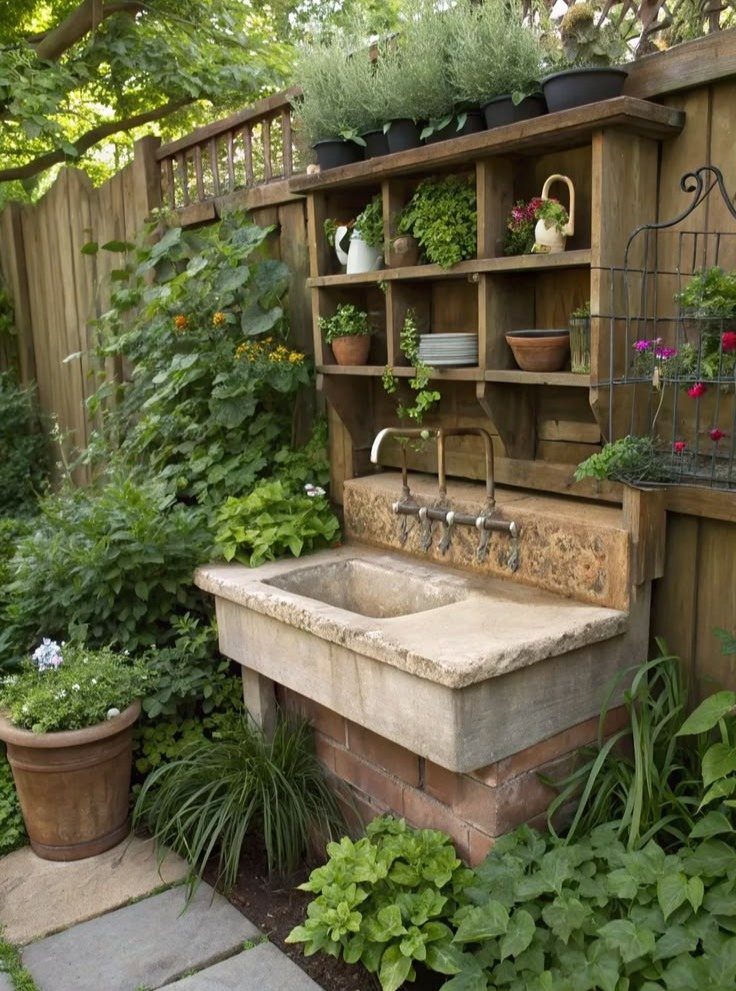
Stone and brick left over from a patio job can become a sink surround with nothing more than mortar and patience.
I would build the cavity wide enough to drop in a utility sink from any hardware store; a standard single basin is easy to find and fits without fuss.
Set the faucet high enough to clear a watering can; a foot of clearance above the rim is the minimum I use.

Utility Sink Dimensions: Exterior dimensions are 24" L x 19" W x 16.5" H. The Eridanus utility sink can be used for various purposes, such as cleaning items, repotting plants, bathing pets, doing laundry, and other gardening tasks. Measure the placement area carefully before making a purchase.

Modern Bathroom Vessel Sink - Best Sleek European inspired modern contemporary classic design, arc beautiful, elegant and generous. Our 19"x15" white vessel sinks rectangle are widely used in home bathroom, restaurant, Office building, school, indoor or outdoor
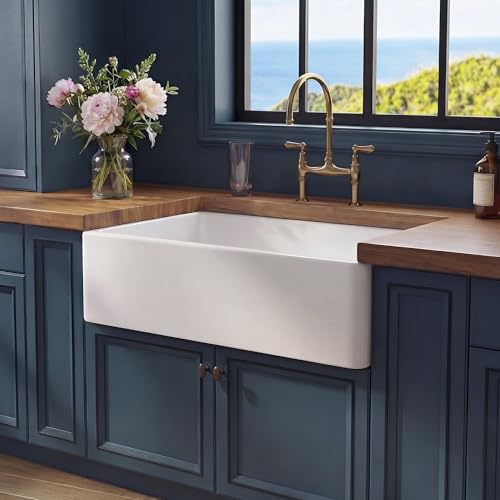
【Made of Fine Fireclay】Miuara farmhouse sink 30 inch is made of fine fireclay fired at extremely high temperature above 2600℉ for 26 hours,it’s very hard and sturdy.And the solid core construction makes the fireclay farm sink superior strengthen and durable to withstand heavy use, which is highly resistant to stain, crack and scratch. Miuara white apron sink is classic and gorgeous!
5. Beverage Bar Outdoor Sink
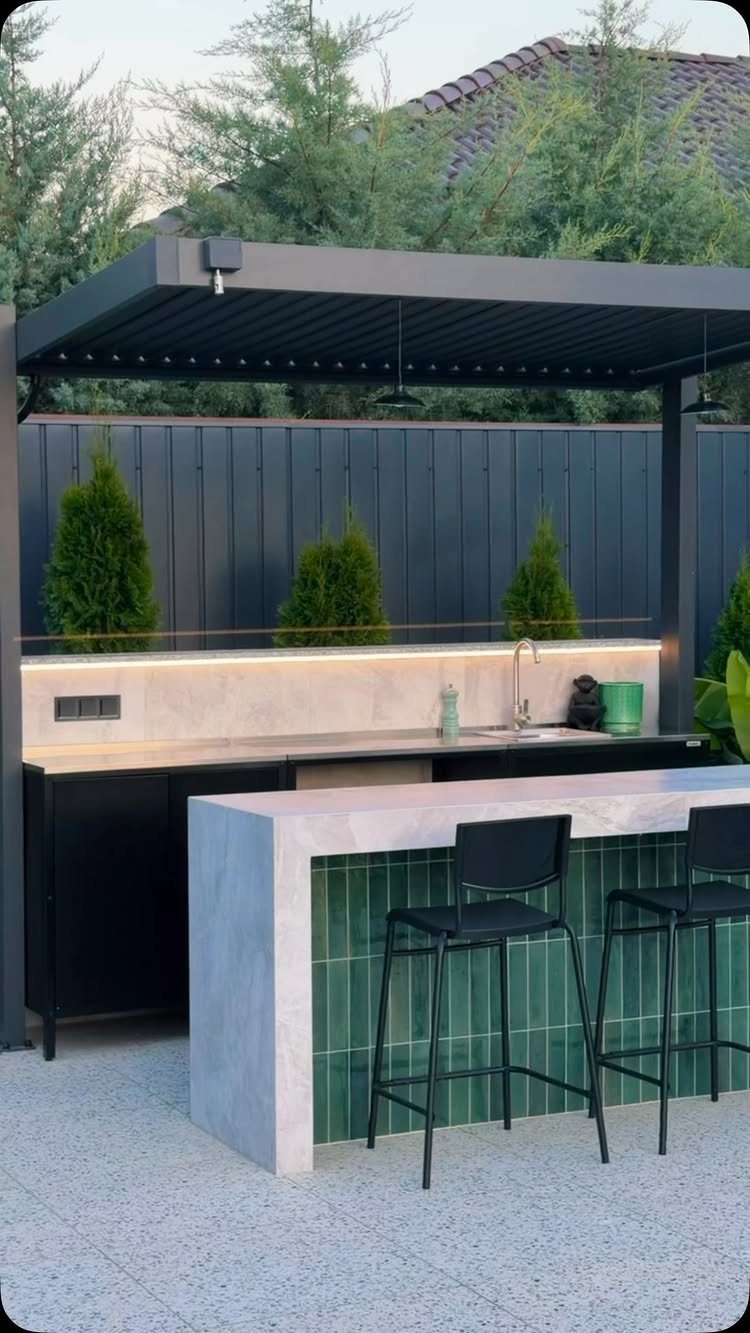
A beverage bar sink is smaller than a full kitchen basin because its job is ice melt and rinsing, not washing pots.
I would put the sink on the rear counter, not the waterfall bar side; the waterfall edge is for leaning, and splashing ruins the effect.
The plumbing can tie into an outdoor hose bib with a splitter if hot water is not required, which keeps the project reasonable in parts if you already have the counter structure.

Universal Compatibility: This kitchen sink plumbing kit comes with all tubualr parts that removes the guesswork from any repair task or modification. Plumbing parts are easy to use for homeowners and pros,the kitchen sink drain repair kit can be installed to be P trap kit , S trap drain kit, end outlet waste, center outlet waste,washing machine traps to fits most sink drains with 1 1/2" drain pipes, no matter you need connect to the wall or floor

SHARKBITE FAUCET CONNECTION KIT: This installation kit includes (2) stop valves, (2) PEX pipes, (2) swivel faucet connectors, (1) chrome trim cover, and (1) disconnect clip; features quarter-turn full-port brass ball valve

SHARKBITE BRASS PUSH GARDEN VALVE: Multi-turn shut-off valve with mounting tabs and angled handle can be used for water flow regulation; ideal for working in tight spaces; combines a 3/4 inch garden hose outlet with a 1/2 inch or 3/4 inch push-to-connect inlet
6. Cinder Block Outdoor Sink
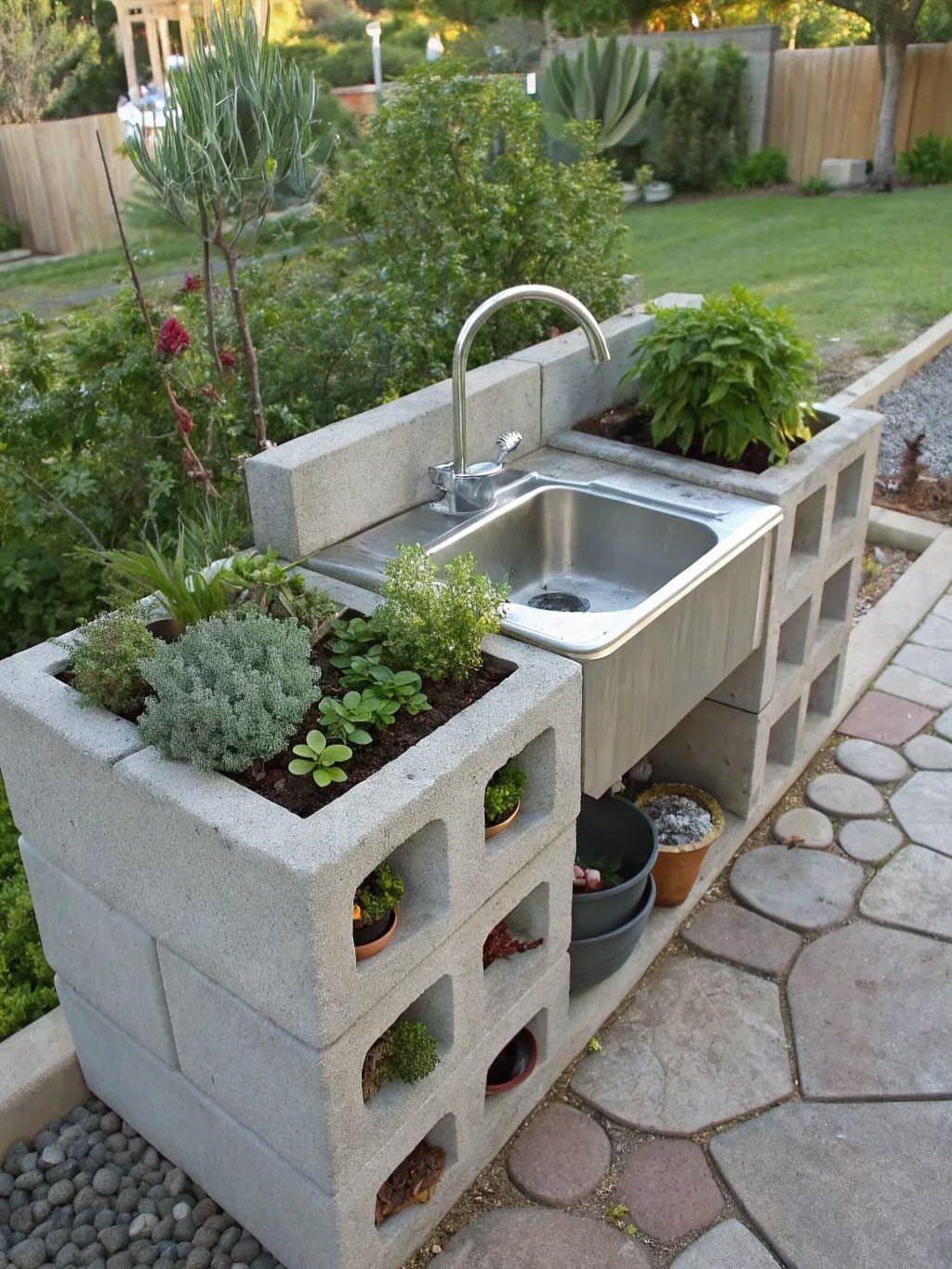
Cinder blocks stack without mortar into a base that accepts a drop-in sink and leaves open cells for herbs.
The planters on the sides work best with drought-tolerant herbs; thyme and rosemary handle the reflected heat off concrete, basil wilts by July.
A coat of masonry sealer on the block faces keeps the dust from washing into your rinse water every time it rains.

Precision Opening: Overall dimensions: 610x610x48 mm / 24x24x2 inches, installation size: 21x21inch/525x525mm, it is recommended to reserve an additional 0.08inch/2mm on this basis for better operation. The door is designed specifically for outdoor kitchens and barbecue islands. With precise dimensions, it is easy to process, install, or dismantle. Available in various sizes and styles, it is perfect for indoor/outdoor kitchens and all other outdoor weather conditions.

Utility Free-standing Commercial Sink: This durable, freestanding utility sink is ideal for Kitchen swill ssinkslaundry rooms, garages, basements, bathrooms, and utility spaces. Perfect as a laundry sink, slop sink, Rv bathroom sink rv kitchen sink or for various heavy-duty cleaning tasks.

Utility Free-standing Commercial Sink: This durable, freestanding utility sink is ideal for Kitchen swill ssinkslaundry rooms, garages, basements, bathrooms, and utility spaces. Perfect as a laundry sink, slop sink, Rv bathroom sink rv kitchen sink or for various heavy-duty cleaning tasks.
7. Brick and Concrete Outdoor Sink

A brick and concrete sink station with 2 basins handles real prep volume when you are cooking for a crowd.
The open under-counter shelves keep soap and scrubbers handy, though everything stored there gets wet in a hard rain unless the roof line is generous. I would seal the concrete basins yearly; unsealed concrete pits and stains fast outdoors.
Brick construction takes longer than block but shrugs off bumps from grill carts and coolers. Check that your slab or patio can take the weight before you start; a full brick run with concrete tops is heavier than it looks.

Complete All-in-One Portable Hand Washing Station: Everything you need for a portable utility sink is included: a spacious wash basin, an electric faucet, inlet and drain hoses, a sink strainer, a side storage basket, and soap dispensers. Requiring only two external buckets to create a fully functional camping sink setup anywhere

Collapsible Design: Folds flat for easy storage and transport—perfect for compact packing.

8. Mosaic Tile Wooden Vanity Sink

A wooden vanity base with mosaic tile trim turns an outdoor sink into something that reads garden art, not utility corner.
The tiles on the apron and backsplash are the detail that elevates it, but they are also the vulnerability: freeze-thaw cycles pop grout loose by year 3 unless you use exterior-grade thinset and seal the joints.
I would build the cabinet from cedar or another rot-resistant species; painted pine swells and peels within 2 seasons.
A drop-in stainless basin saves the extra carpentry an undermount needs, so this wooden vanity comes together faster and holds up fine for outdoor use.
Keep the tile away from the basin rim; constant water pooling there undoes careful work fast.

Dedicated Propane Tank Area: This ROVSUN grill cart features a separate propane tank storage compartment designed to keep fuel safely out of sight. No more unsightly tanks cluttering your patio or creating tripping hazards. The dedicated space makes refills quick and easy while maintaining a clean, organized outdoor cooking environment.

Multi-FunctionalCommercial Sink Station – This heavy-duty utility sink combines a right-side workbench and a handy whirling drawer with a durable 201 stainless steel frame and a 1.0mm thick 304 stainless steel bowl. Ideal for commercial kitchens, garages, laundry rooms, and outdoor use.

【Multipurpose Utility Sink】Made of premium PP material. Equipped with a removable drain board, the spacious utility sink fits perfectly for garage, basement, backyard and outdoor use, and works well for bathing small and medium pets.
Water Supply Options
A garden hose feed is the fastest way to get water to an outdoor sink, but the connection needs a vacuum breaker with an anti-siphon device.
Backflow into a hose is a real code concern, and that brass fitting is what keeps the inspector satisfied.
I would add quick-connect fittings so the whole line detaches in seconds; in a freeze zone, that speed matters when a cold snap hits.
Running PEX for hot and cold is the better long-term fix if your layout allows it. PEX handles outdoor temperature swings without splitting the way copper can, and the flexible line snakes through finished walls easier than rigid pipe.
You will need a shutoff and drain inside the house for winter, and the cost jumps past hose-fed setups fast.
For a sink that sees real cooking prep, hot water is worth the extra work. For a rinse station used twice a month, cold-only from a hose is the smarter spend.

【Smooth Front Heavy Duty Fireclay Sink for Kitchen】The front of the farmhouse apron sink 33 Inch is smooth, with a pure white glaze, making the farm sink look gorgeous and easy to clean.It is a heavy-duty fireclay sink weighing over 70 pounds, It is recommended to have two people move together.

【Made of Fine Fireclay】Miuara farmhouse sink is made of fine fireclay fired at extra high temperature above 2600℉ for 26 hours, it’s very hard and sturdy. And the solid core construction makes the fireclay sink drop in superior strengthen and durable to withstand heavy use, which is highly resistant to stain,heat,crack and scratch. Miuara farm sink is classic and gorgeous!

1. 33 Inch White Fireclay Farmhouse Kitchen Sink: Crafted from premium natural fireclay and fired under extremely high temperatures, this white fireclay farmhouse sink deliver exceptional sturdiness and long-lasting performance. It features great heat resistance, scratch resistance, and anti-discoloration, staying in perfect condition for years.
Drainage Solutions
A bucket catch is the no-permit path, but do not skip the P-trap between the sink and the hose.
The bucket catches what the drain lets through, and I empty it after every session so it never sits long enough to turn foul.
I would use a sealed bucket, not open, and a mesh strainer in the sink to catch food scraps before they reach the line.
Emptying is the chore that decides whether this stays temporary.
A 5-gallon bucket fills faster than most people expect when rinsing plates or washing produce. For anything more than occasional use, tying into the house drainage through a French drain or a dry well is the upgrade that pays off.
Check local code first; some jurisdictions treat any gray-water discharge as septic work that needs a permit. Where local code allows, a simple dry well set well away from the foundation handles sink volume fine if the soil drains.
Clay-heavy ground needs a deeper pit or a leach line extension, or the well turns into a standing pool by August.

Upgrade your kitchen sink drain pipe kit with this complete 27 pcs under sink plumbing kit, designed to provide a seamless connection for double bowl sink plumbing. Whether you're replacing an old system or installing a new one, this kit ensures a leak proof, tool free setup for a stress free experience

Our p trap Crafted from top plastic, specifically designed to withstand extreme water temperatures, resist alkali, and prevent cracking. standing up to the rigors of daily use while resisting rust and chemical corrosion.Comparable in quality to products found in your neighborhood supermarket.
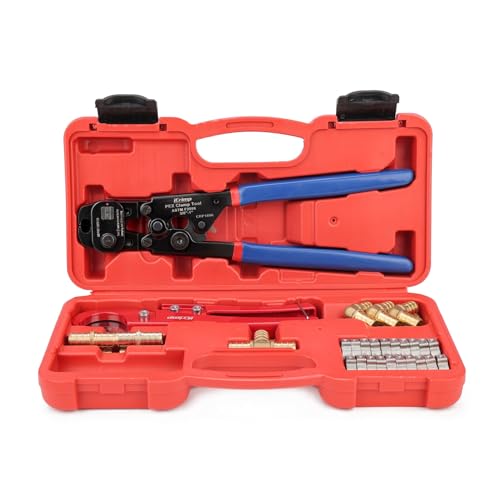
CRP-1096F PEX crimping tool kit takes every task in PEX plumbing projects. This 34-piece PEX clamp tool and PEX fitting combo kit includes multifunctional PEX clamp tool, PEX tubing cutter, clamp rings and PEX pipe fittings.
Material Considerations
Stainless steel is the basin material I trust outdoors. It takes thermal shock, does not craze in UV, and a utility-grade sink costs less than the tile to surround it.
The grade matters: 304 handles most climates, 316 if you are within sight of salt water. Either way, avoid the paper-thin utility sinks meant for garage wash-up; the metal dents when you set a cast-iron pot in it.
For any wood in the structure, pressure-treated lumber is the minimum, and even then I would keep it off the ground on concrete piers or metal brackets.
Cedar or redwood buys you longer life without the green tint of ACQ treatment, though the price difference is real. Paint on pine is a short-timer outdoors; moisture finds the end grain and the finish fails from the inside out.
Masonry is the forgiving choice. Brick, block, or stone does not rot, and the weight keeps a sink station from shifting.
The cost is time, not just materials. A dry-stacked block base goes up in an afternoon; mortared brick takes a weekend or more, and the skill threshold is higher.