These garden tool organization ideas run from a free pallet rack to a full slatwall system, and the right one depends on whether your wall is a finished garage or an unlined shed.
1. Wall-mounted Racks
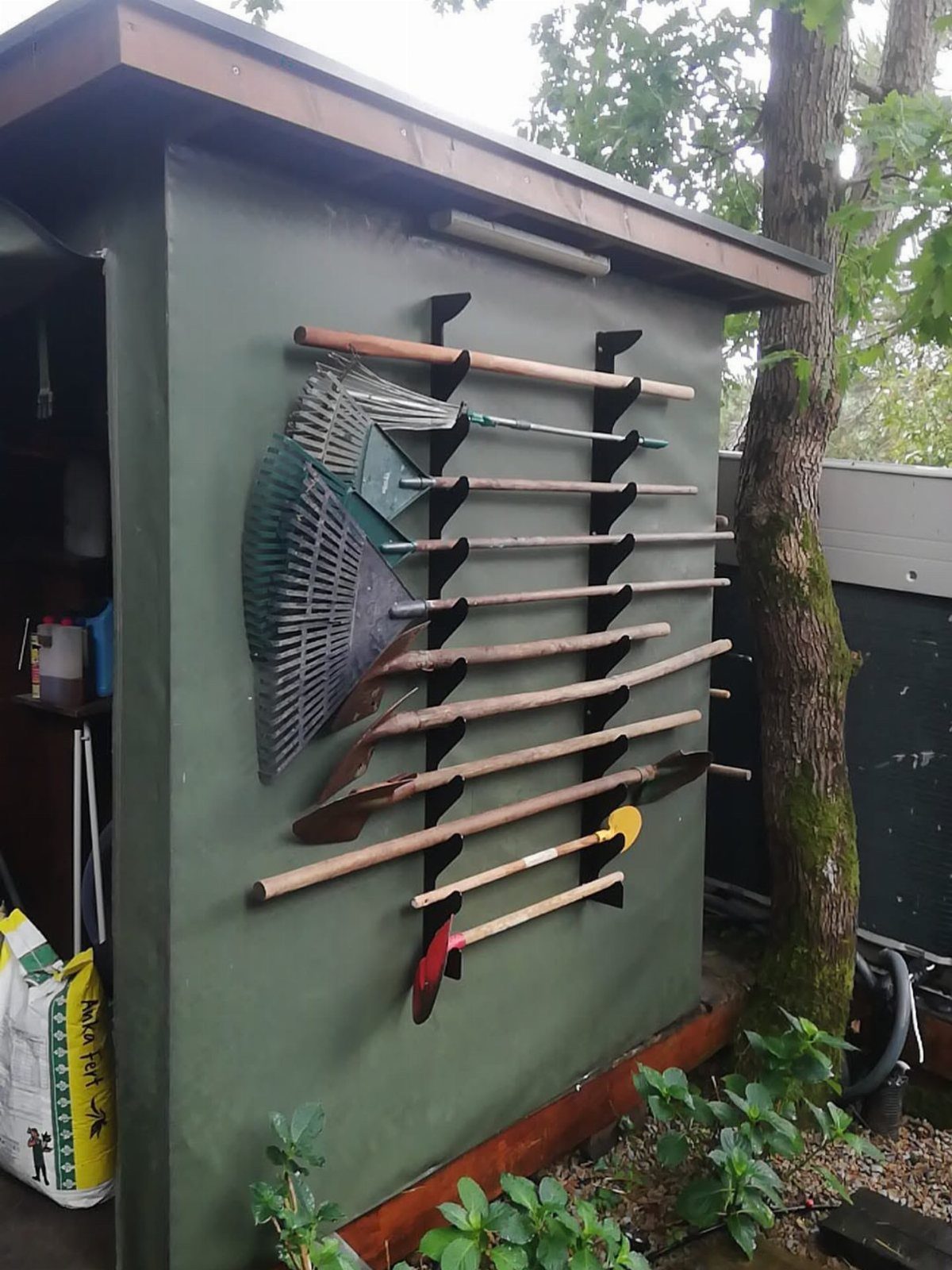
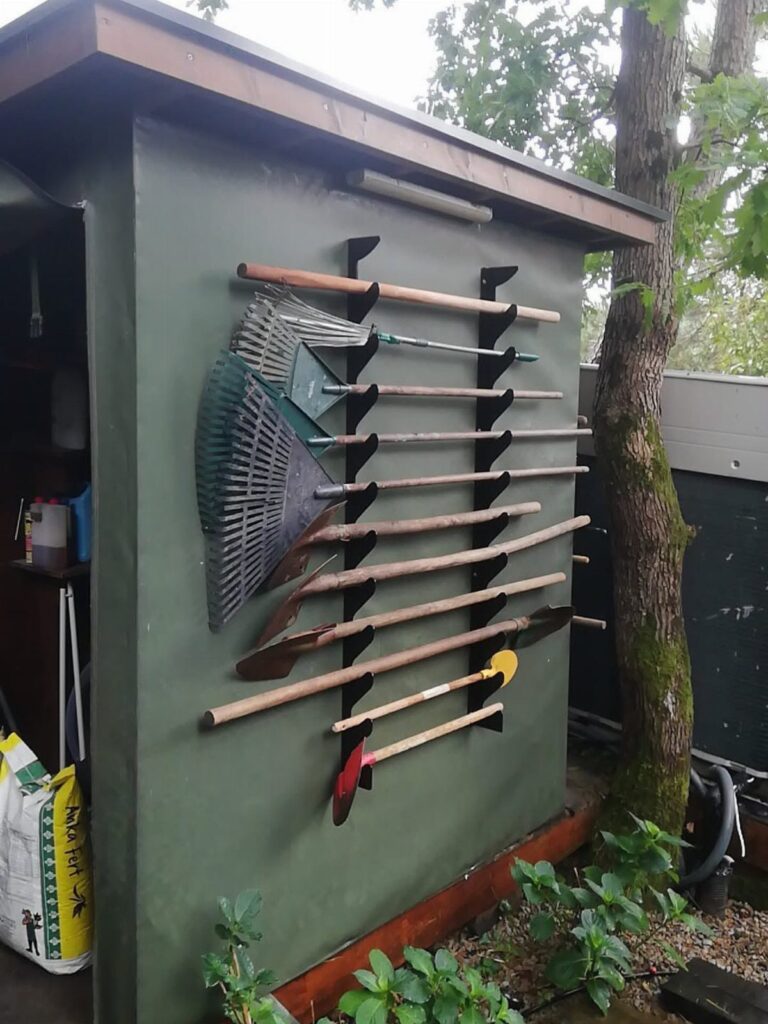
Wall-mounted racks give long-handled tools a horizontal home off the ground, which matters more than it sounds when wet grass and mud are the alternative.
I check stud spacing before buying brackets; standard spacing is common, but sheds often run wider, and drywall anchors in a garden building will loosen by spring.
A black finish hides grime better than raw metal, though it will fade to matte eventually.

Wall-Mounted Garage Tool Organizer-Reclaim floor space with 17.5"x4" horizontal wall design—secures shovels, rakes & brooms vertically. Ideal for garages/sheds with exposed studs, keeps long-handled tools accessible yet tangle-free

MULTIPLE STORAGE OPTIONS: Features 5 slots and 6 hooks supporting up to 7.5 pounds per slot, perfect for organizing various cleaning tools efficiently
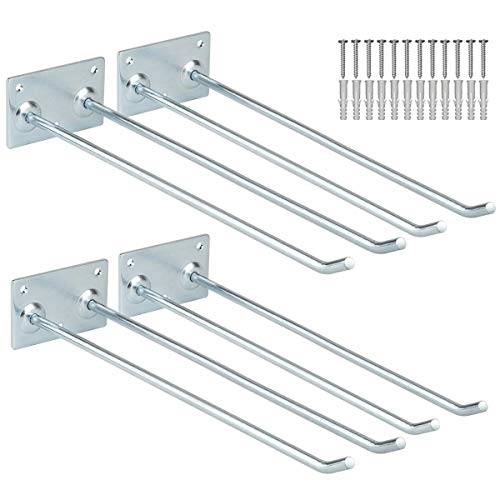
Multi Purpose: 12 inches wall mounted garage storage hooks for organization especially with folding chairs, ladders,hoses, cords, cables, brooms, racquet, rakes, shovels and long-handled garden tools.
2. DIY PVC Tool Holder

PVC segments cut at an angle and screwed to a backboard make a holder that grips handles by friction.
I like this for a garage wall because the pipe is forgiving; a tool with a slightly thicker shaft still fits, unlike fixed-diameter holes in wood.
Corrugated metal behind the boards is a reminder that you need solid backing, whatever the wall material. Tapcon screws or metal anchors, not regular wood screws.
Cardboard concrete-forming tubes are inexpensive ($10 at any home center) and provide a great place to store baseball bats, long-handled tools and rolls of just about anything, contributing to better garage organization.

Three racks, each pre drilled 16 inches on center and each with opposing modular tabs on both ends for the ultimate space saving clamp rack system! Simply attach one rack to your standard 16 inch on center wall studs and your ready to easily and quickly align the other two clamp racks using the opposing modular tabs as your guide. The racks fit together for a perfect fit on your wall, saving you valuable space and keeping your clamps organized!

4 INCH PIPE HANGER - Pipe clamp inner diameter 3.94". Compatible with 4" Inch plastic or metal pipes. Galvanized steel pipe holder, engineered to accommodate both plastic and metal pipes.

Support for Hvac Pipe Duct Installation: this Pipe Duct Holder is designed to temporarily suspend ductwork or vent pipes during installation, allowing HVAC professionals to position and secure components without needing an extra pair of hands; The holder keeps pipes elevated and stable while adjustments or fasteners are applied, and it is suitable for use on Residential Lumber and Engineered I-Beam construction, making this Pipe Duct Holder a reliable partner on the job
3. Overhead Racks
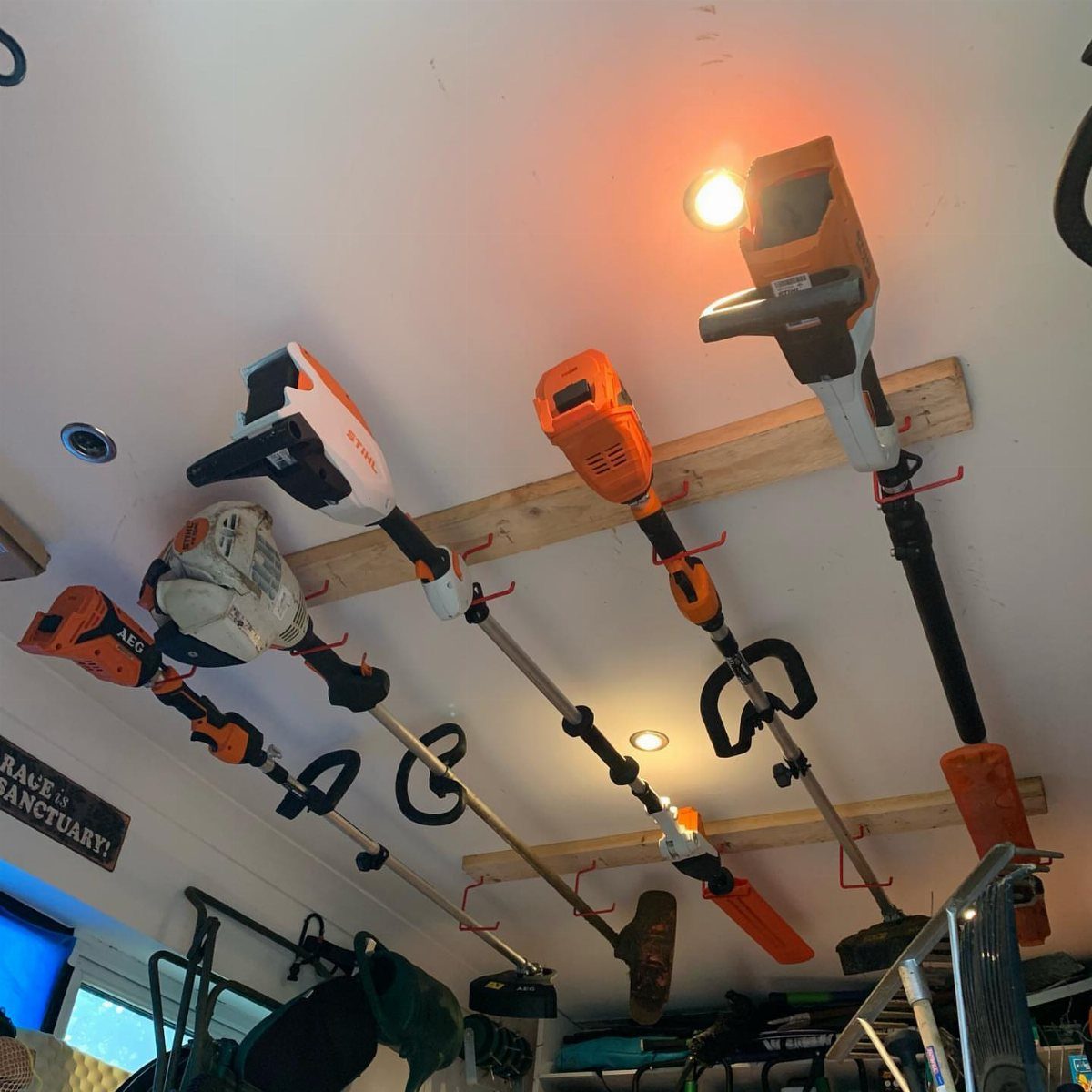
Ceiling beams with hooks keep weight off walls entirely, which helps when those walls are thin or already spoken for. Color-coded hooks that are rated hardware matter here; a string trimmer at head height is a bad surprise.
I would check the beam span and add a block between joists if the hook lands between them, not trusting a single screw eye in plywood sheathing.

Value Pack: Included 4 packs of black overhead garage storage hooks, each hook measures approximately 16.5 "x 10.7" x 7.5 "inch. Enough quantity meets your different usage requirements. Note: Please confirm the size before you place an order.

Versatile: Ceiling mounted garage storage hooks are perfect for garage organization, suitable for ladders, wood, fishing rods, tools, bicycles, garden hoses and other large items, and are efficient and convenient storage management solutions.

Tested and Rated Weight Capacity: Our hook undergoes rigorous double load testing (100 lbs) to ensure unmatched safety and durability, with a rated weight capacity of 50lbs
4. DIY Wooden Racks

A corner pallet rack costs nothing if the pallet is already on hand and takes an hour with a drill and lag bolts. Pallets are deep by design, so this eats more floor space than a flat wall rack.
I would cut the pallet in half lengthwise for a tighter corner, or leave it full and gain shelf space on top for gloves and hand tools.

KEEP LONG-HANDLED TOOLS UPRIGHT AND EASY TO REACH. This vertical resin storage shed or tall outdoor storage cabinet fits long-handled tools, patio umbrellas, and gardening supplies, so yard gear stays organized and off the ground.
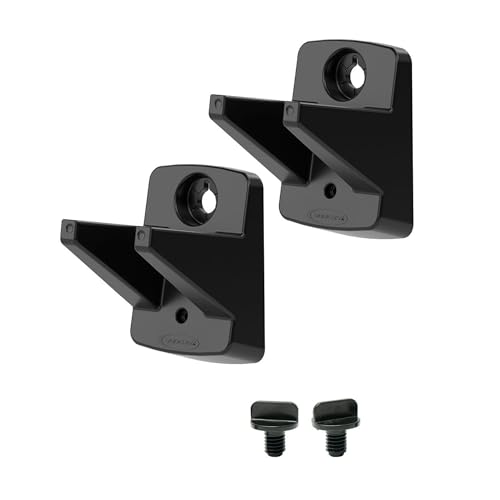
Versatile Tool Organizer: Compact wall-mounted hook system stores long-handled tools like mops, brooms, or rakes for easier access and cleaner spaces
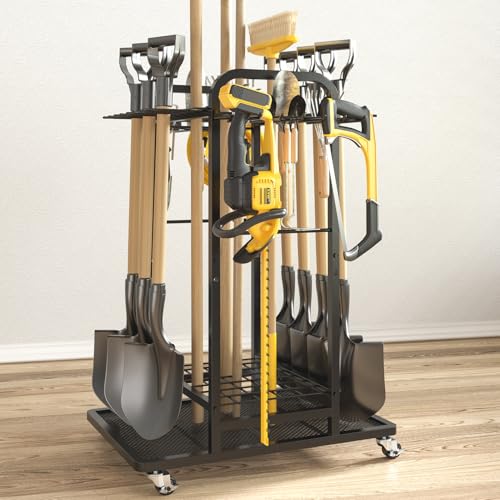
Larger Base for Enhanced Stability: The uniquely designed larger base provides extra space for yard tool organizer for garage, allowing more long-handled gardening tools to be securely placed. Whether it's a shovel, hoe, agricultural tools and suppliesor or other tools, they are well-supported, preventing sliding or tipping over.Can be used both indoors and outdoors.
5. Vertical Tool Shed
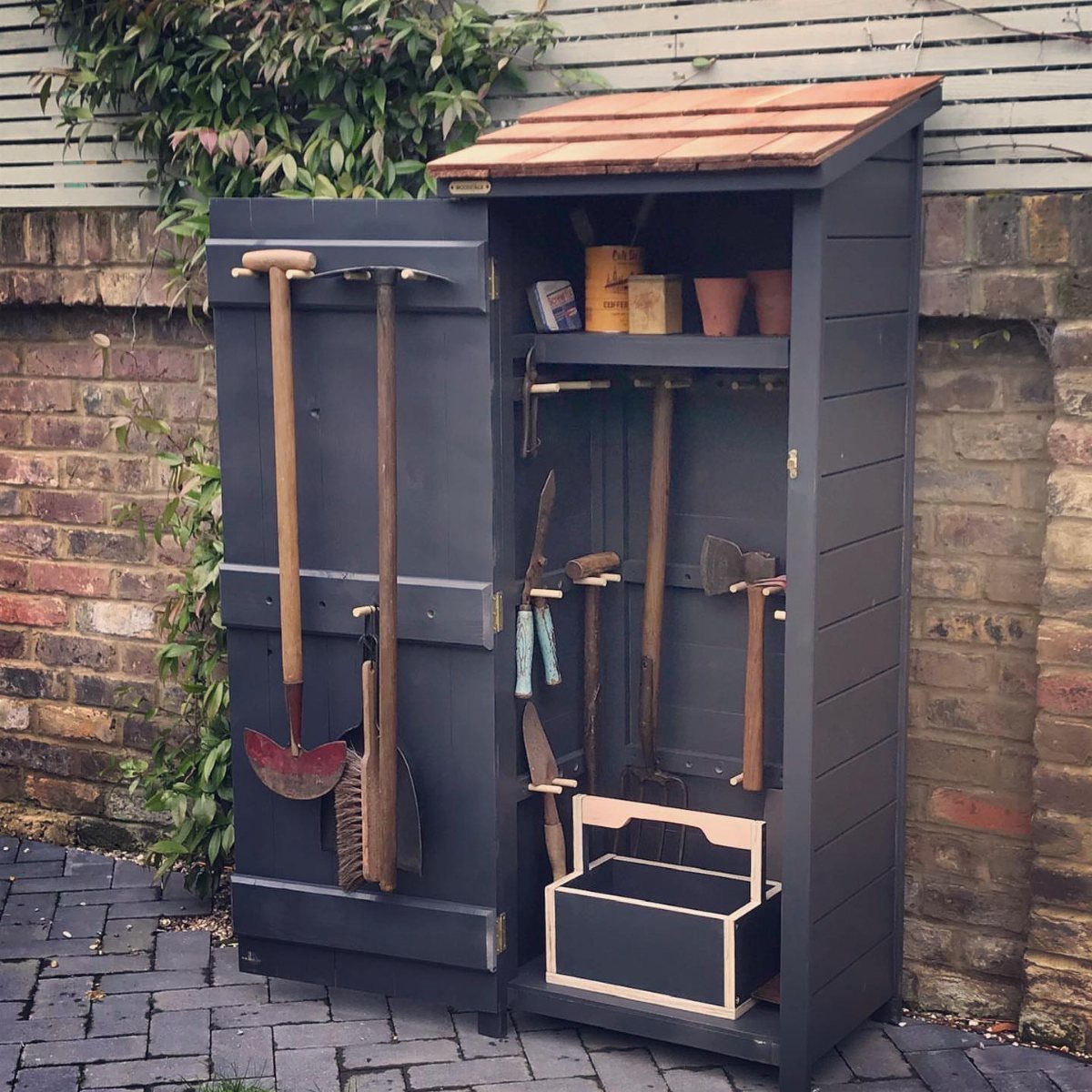
A vertical shed packs tools into a footprint barely larger than a broom closet. The narrow depth forces you to hang everything; shelves would steal the aisle space you need to reach the back.
I would site this on paving, not lawn, because damp rises through a wooden floor in grass. The dark grey finish is practical, though I would reseal it on a schedule that matches your climate.

【Premium Materials】Garden hose holder wall mount made of tough metal, rustproof and thickened, durability and last long. Ideal choice for outdoor hose storage.

Compact Storage Solution: Wall-mounted reel keeps your outdoor space tidy while holding up to 100 feet of 5/8-inch standard vinyl garden water hose with ease

【Premium Materials】Garden hose holder wall mount made of tough metal, rustproof and thickened, durability and last long. Ideal choice for outdoor hose storage.
6. Hose Reels
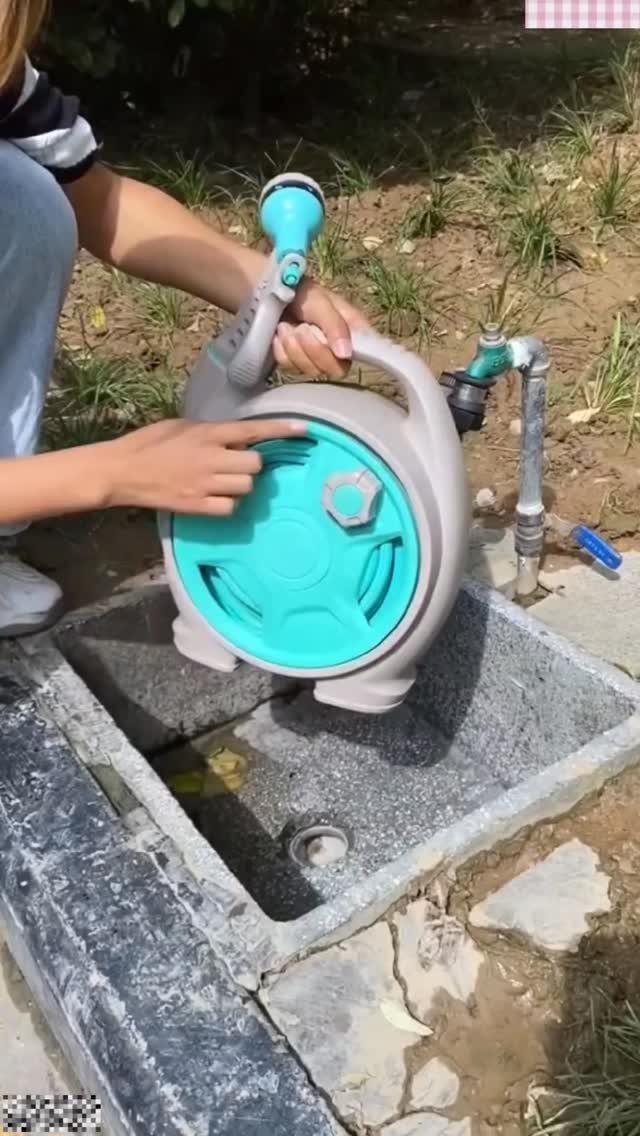
A hose reel on a portable frame saves the walk back to a wall mount, which I notice most when I am already wet and carrying a nozzle.
A compact hose reel stores in a shed, though I would drain it before putting it away; standing water in the drum winters poorly. Check that the inlet hose is replaceable; that is the part that cracks first.
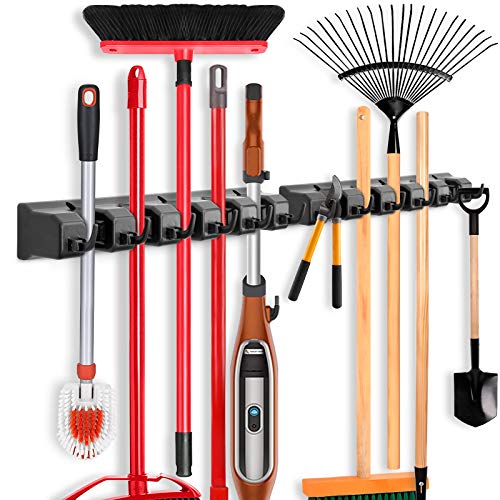
Tidy Your Home: 5 ball slots and 6 hooks design, organize your annoying cleaning tools within small space

💪Material - The mop holder is made of high quality stainless steel, Much strong and sturdy than plastic holder. Build to resist daily scratches, corrosion and tarnishing. Allowing it to remain looking its best for longer.
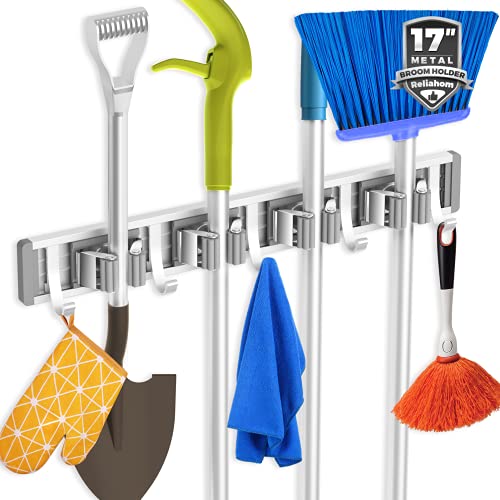
Multi-purpose Wall Mounted Storage Rack - Our Reliahom adjustable wall mounted rack is designed for holding mops, brooms and other cleaning tools. It works as a practical storage solution for home and outdoor organization.
7. Garage Slatwall Storage System

A slatwall panel turns dead wall space above a workbench into adjustable storage for rakes, shovels, and shears.
The slots accept different hooks and baskets, so the layout changes when your tool mix does. I would mount the panel into studs, not just drywall, because garden tools carry more weight than the garage decorations these systems often hold.
Check that the hooks you buy match the slot spacing; slatwall and slatgrid look alike but use different hardware.

Can be used on most Truck Racks / Van Racks / SUV Racks Cast Aluminum door and end cap, Stainless Steel saddle brackets U-bolts and hardware Spring loaded door latch and...
8. Garden Supply Storage Cabinet

A metal cabinet with bins on shelves and magnetic hooks on the door keeps supplies dry and contained in one footprint.
The door hooks suit hand tools you reach for often; the bins stop small items from spreading across the shelf.
I would check the door swing before loading it, because a heavy cabinet near a workbench needs clearance you might not have. A cabinet with adjustable shelves handles potting soil bags better than fixed spacing.

Installs in seconds - no tools required
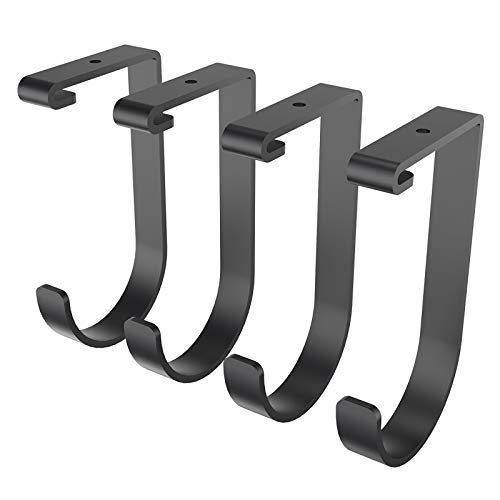
Tested and Rated Weight Capacity: Our hook undergoes rigorous double load testing (100 lbs) to ensure unmatched safety and durability, with a rated weight capacity of 50lbs

1200 lbs Tested, 750 lbs Rated: Our overhead garage storage rack undergoes rigorous 1.6 times load testing (1200 lbs) to ensure unmatched safety and durability, supporting up to 750 lbs for your tools and equipment.
9. Hanging Cord Hand Tool Storage
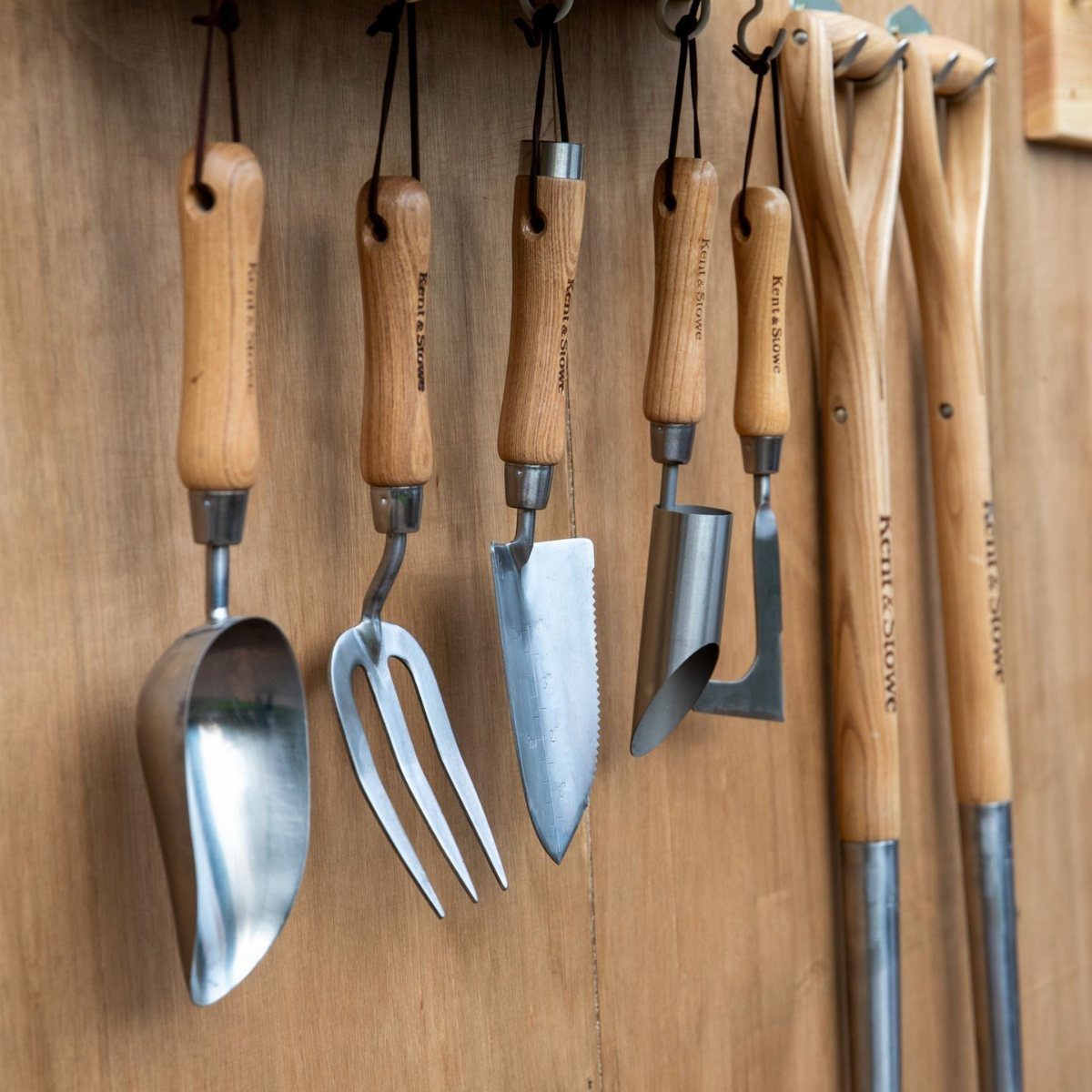
Small tools hung by cord loops against a wooden wall stay visible and off the bench. The cord lets you adjust height without moving hooks, which matters when you add a tool with a longer handle.
I would use coated cord to slow rot, and check the knots each spring. This suits a shed wall where damp tools need air, not a drawer where they would sit wet and rust.

Durable Tool Hangers: Heavy-duty resin tool hangers help organize long-handled tools to save space and keep items easily accessible

SENSIBLE STORAGE: Preserves essential yard or patio space with extra-small footprint. Ability to easily fit in any outdoor space as well as store long garden tools, brooms and ladders.

【35 Slots and 6 Side Hooks】This garden tool organizer uses vertical slots to keep rakes, shovels, brooms and other long-handled tools upright, while side garden tool hangers organize hand tools and accessories for compact garden tool storage.
10. Staircase Mason Jar Organizers
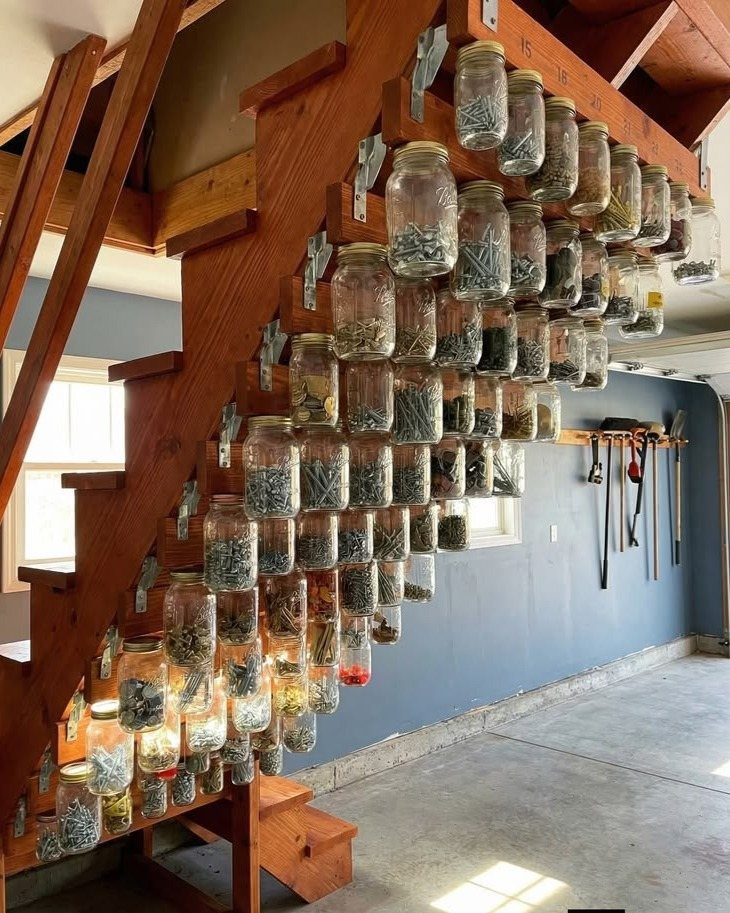
Mason jars screwed to a stair stringer turn the gap beside steps into hardware storage. The clear glass shows contents without opening, and the slope of the stairs keeps small items settled at the bottom of each jar.
I would use two screws per lid, not one, because a jar of nails carries weight. Check that the jar mouths clear the stair rail; a jar placed too high blocks the handhold.

---Built to Last---Secure, and sturdy design. High quality heavy duty iron with anti-slip rubber coating provides added visibility, safety and grip.
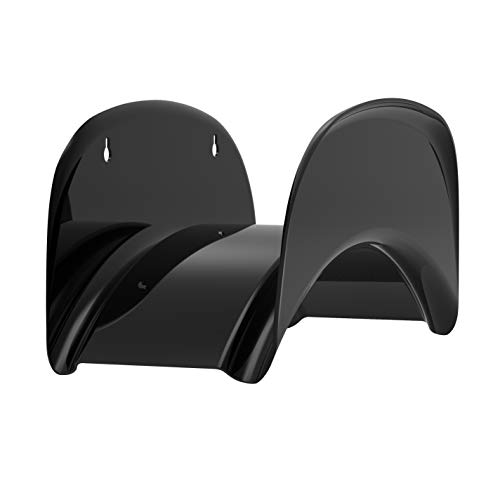
Size - Gardzen hose holder measured approx. 11.4"x5.5"x5.5". Suitable for up to 100' water hoses.

【High Quality】Water hose reel made of tough metal, durability and last long. The anti-slip rubber coating provides additional safety and grip. Can withstand harsh environments and is ideal for indoor and outdoor garden hose storage.
11. Portable Garden Tool Caddy

A plastic caddy with a handle keeps string, scissors, tape, and a drink together while you move between beds. The open top saves the digging that a closed box requires.
I would pick one with a flat bottom that sits steady on soil, not just a table. A caddy without dividers lets you reconfigure, though small items will mingle unless you add your own cups or bags.
Cleaning Tools Before Storage
A rack or hook is only as good as the tool you hang on it.
Soil holds moisture against metal, and sap starts corrosion you will not notice until the blade pits. I brush off loose dirt with a stiff brush, then wipe steel surfaces with an oiled rag if the season is done.
Wooden handles split when they go into storage damp, so I let them sit in sun or a warm garage before they go back on the wall.
A shed that breathes still has cold corners where dew settles; I would not store a favorite spade against the north wall in winter.
The time you spend drying a tool costs less than replacing it, and clean edges cut cleaner next spring.
Decluttering Before Organizing
Every organizer I have seen fails when there is too much to organize. I start any garden storage job by pulling everything out and sorting into 3 piles: keep, repair, and gone.
A tool that can’t be fixed is just taking up real estate, and I see this all the time: three identical trowels when one sharp one does the job.
I send the extras to our local tool library if they’re still usable, or to scrap if they’re past it. Shelf space is too limited to host a museum of things you’ll never touch again.
Cracked pots, empty bags, and broken markers accumulate faster than you think, and each one blocks access to what you actually need. The less you store, the less you maintain, and the faster you find the one trowel you like.
I would rather have a half-empty wall where every item has room than a crowded system that looks good in a photo and frustrates by June.
Grouping Tools by Task
Grouping by task matters more than grouping by size. I divide garden storage into 4 zones: planting and prep, watering and care, heavy digging and cleanup, and power or safety gear like trimmers and gloves.
Each zone gets its own wall section, shelf, or bin, labeled so you can walk in and grab without thinking.
Long-handled tools stay together because that is how you use them; watering supplies live near the door if you fill cans from a hose bib there.
The same logic works in a storage room or cabinet: one vertical level per zone, not mixed by what happens to fit.
I copy the same zone names between the shed and any overflow space so a label in one place means the same thing in another.
Frequently Asked Questions
What is the best way to organize garden tools?
Wall-mounted racks with sturdy hooks handle shovels and rakes without eating floor space, and a pegboard keeps trowels and pruners visible where you actually need them.
A slatwall panel above a workbench also works well because the hooks and baskets move when your tool mix changes.
Floor storage ruins tools faster than almost anything else; wet grass and mud trapped against metal starts corrosion in days, not months.
How can I keep garden tools from rusting?
Brush off loose dirt with a stiff brush, then wipe steel surfaces with an oiled rag if the season is done. Standing water in any container or drum also winters poorly.