A deck planter can run from a simple rail box to a custom built-in that takes a full weekend, and the right choice depends on whether you need to move it next year or live with it long-term.
Renters and first-home owners usually face that exact fork in the road before buying a single pot.
The corrugated metal planters in this list weigh enough to need paver pads or heavy-duty casters, which tells you how quickly portability becomes engineering once the soil goes in.
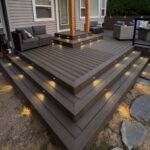
1. Built-In Planter Boxes
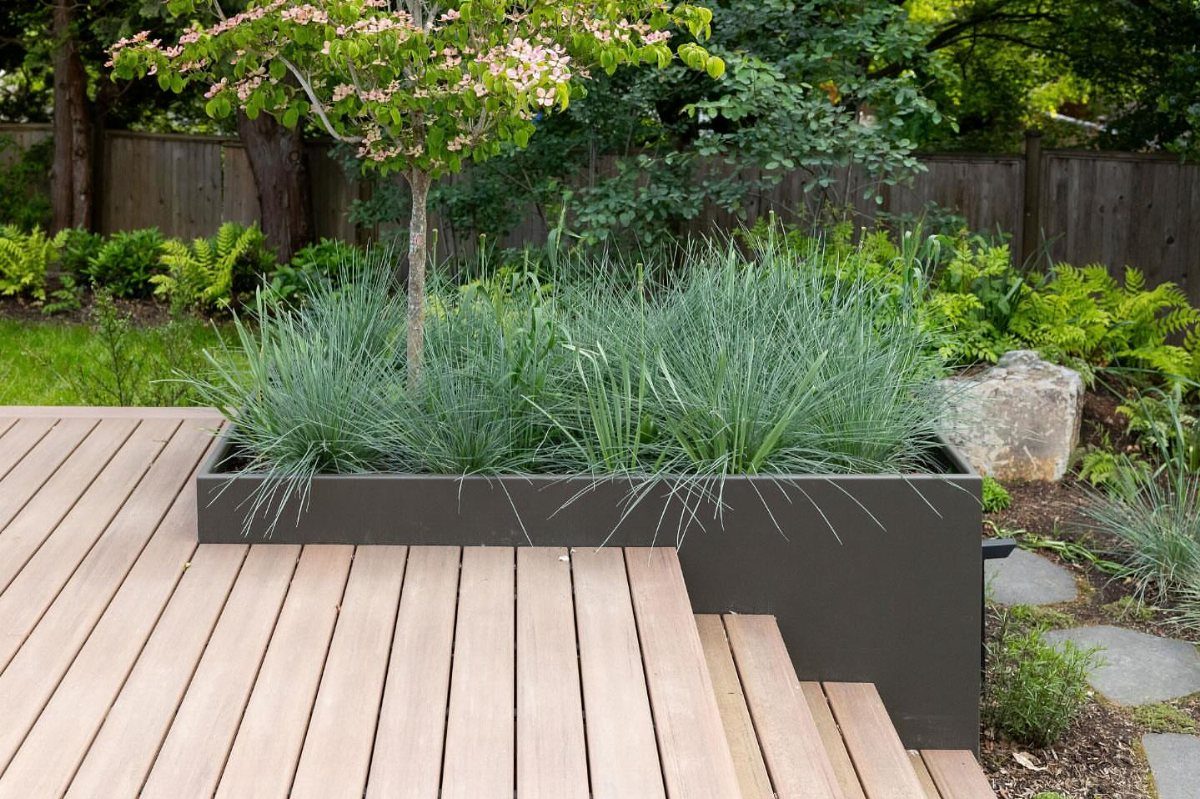
I would check the ledger and joist layout before cutting anything; the planter needs proper drainage routed away from the structure, and that usually means a gap or a sloped bed inside.
If the deck is pressure-treated pine, the planter box should use the same material or something rated for ground contact to avoid uneven weathering.
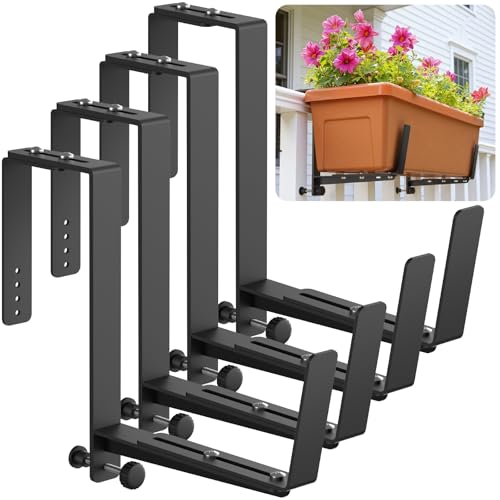
【Adjustable Bracket】Our window box bracket features an adjustable top and bottom design. The top width adjusts from 0–6.5" to fit different railing sizes, while the base width adjusts from 5.5–10.4", making it compatible with a wide range of planter boxes. Enjoy flexible placement without worrying about fit.
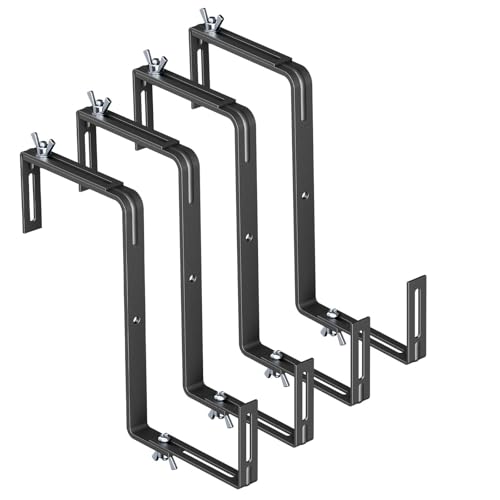
ADJUSTABLE DESIGN: Flexible sizing accommodates flower boxes from 2 inches to 7.8 inches wide with adjustable width from 4.9 inches minimum to 7.8 inches maximum, fitting various planter box dimensions

ADJUSTABLE DESIGN: Flexible sizing accommodates flower boxes from 2 inches to 7.8 inches wide with adjustable width from 4.9 inches minimum to 7.8 inches maximum, fitting various planter box dimensions
2. Vertical Deck Planters
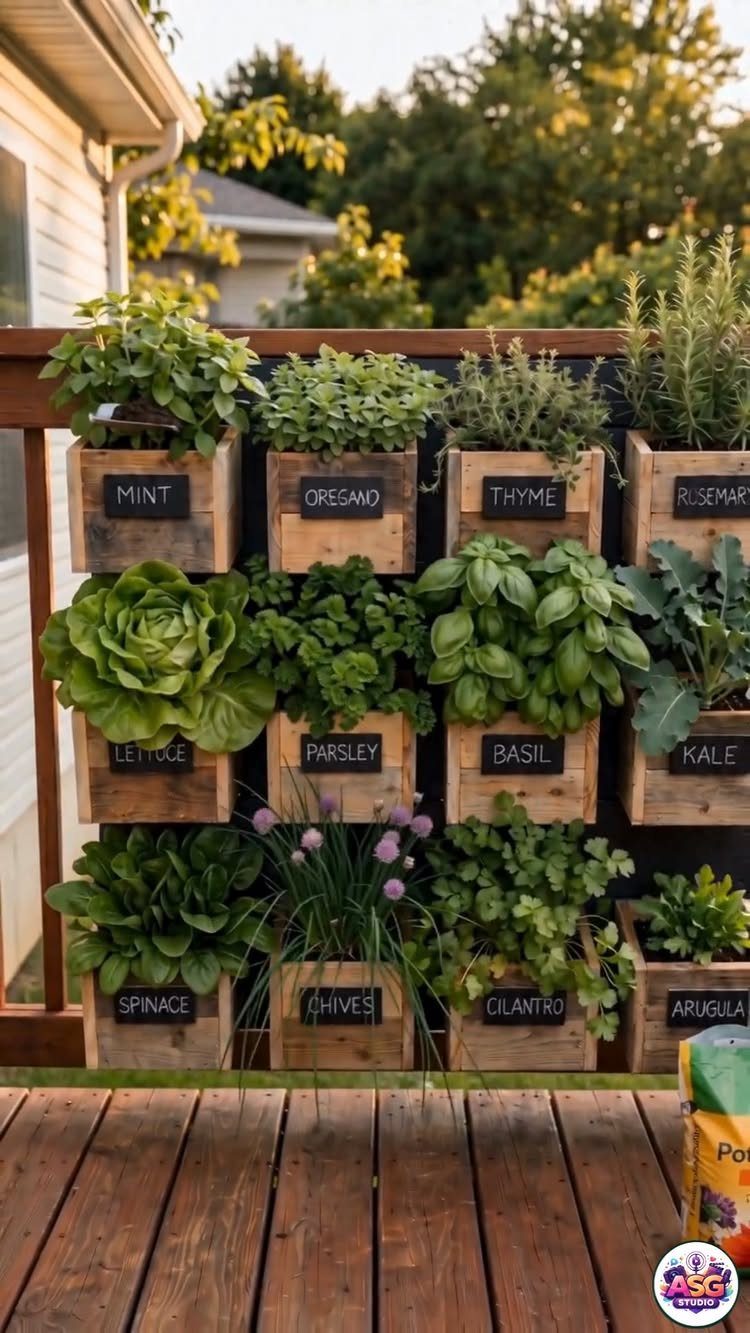
A wall-mounted vertical garden turns the blank side of a house or the back of a railing into growing space.
Individual wooden boxes labeled by herb work best when they are shallow enough for greens and rooted plants that do not need deep soil.
I would mount the rail to studs or blocking, not siding alone; herbs in small boxes dry out fast, so group plants by water need and keep mint in its own container.
This setup suits renters who can take the whole unit when they move, provided they planned the mounting hardware for removal.
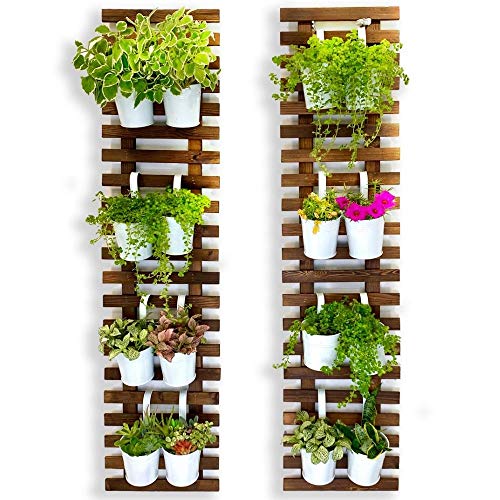
29x120cm (11.4" x 47.2") x 2 pcs. Plants, flowers, pots, decorations are NOT included


Vertical Wall Planter: Mounts on a fence, a deck rail or an exterior wall and stacks 3 planting shelves into the footprint of a single pot, so a balcony or small patio gains a plant wall without losing floor space
3. Maintaining Container Plants
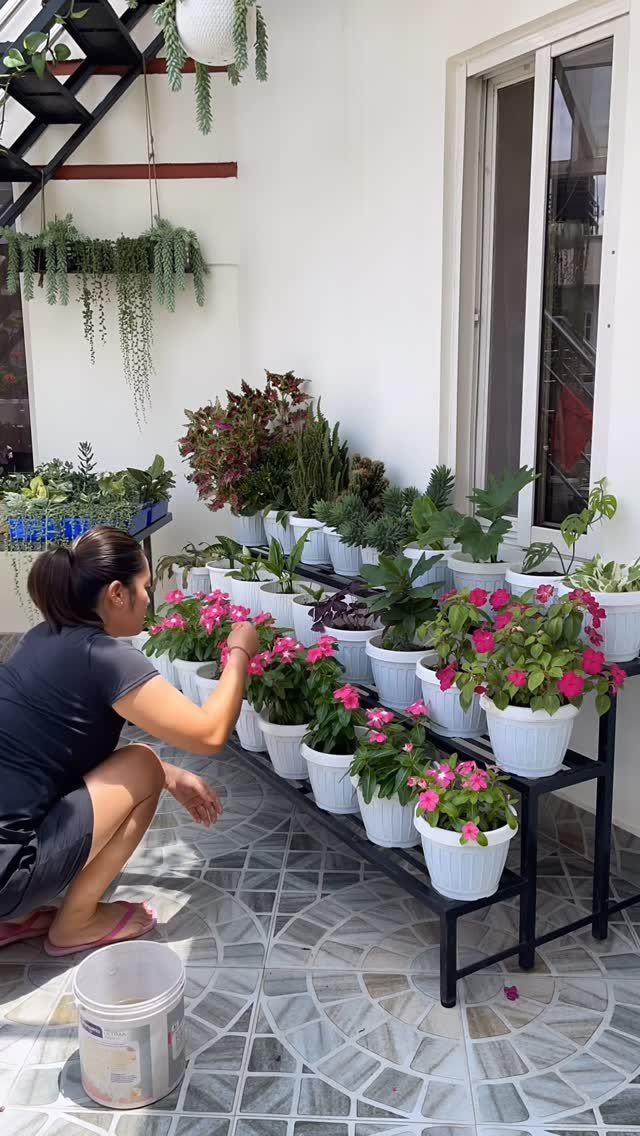
Container plants on a deck need more attention than ground beds because roots cannot search for water. A tiered stand with white pots means each plant sits at a different height and catches sun and wind differently.
I would rotate the stand weekly so the top tier does not bake while the bottom stays shaded, and I would lift pots in fall before the first hard freeze even if the plants are hardy; the thermal mass of ceramic cracks more often than the plant dies.
A light hand with fertilizer beats a heavy one in small pots.

【Perfect Design】: The 3-tier planter box design will not take up too much floor space, which can separate and organize the sections as well as grow different kinds of plants. In addition, the trapezoidal design allows all plants to enjoy full sunlight for better growth. The box bottom of each tier is equipped with drainage holes to help drain excess water and prevent root rot

Create a waterfall of flowers or herbs with our charming outdoor stacking planter

【Material Description】The vertical raised garden bed consists of a sturdy metal frame and 3 plastic boxes (Dimension: 16.8 x 7 x 5.5 inches). It is lightweight, rust-resistant, and easy to move, making it a great choice for both indoor and outdoor use.
4. Railing Deck Planters
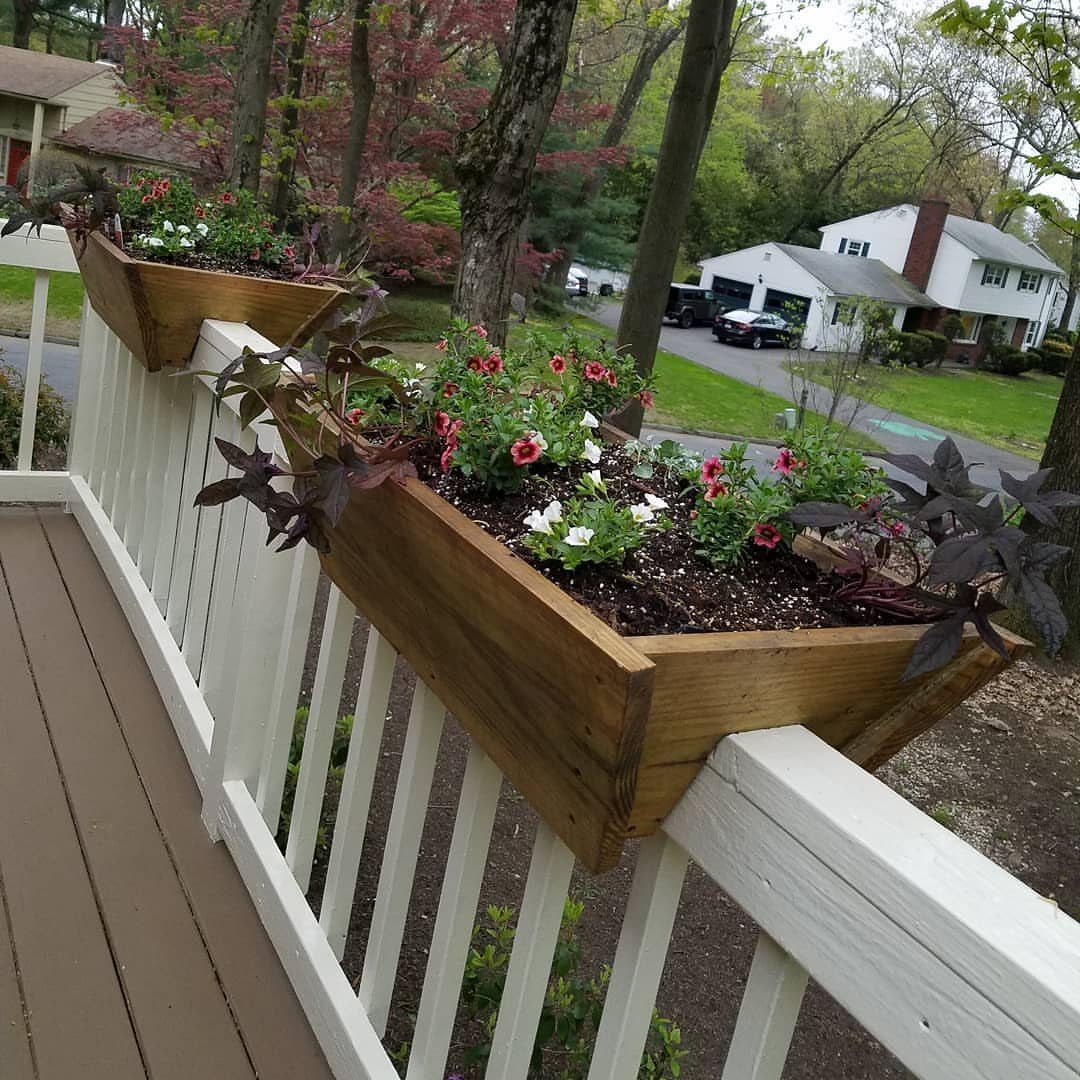
Railing planters hang over the outside edge, which keeps the walking surface clear and gives trailing plants room to drop.
Wooden boxes on a white rail need a bracket that grips the rail or a bottom cleat that locks underneath; a full box of wet soil gets heavy fast, and the weight is the first thing I would check.
I prefer boxes that sit on the rail rather than straddling it, since the straddle type wobbles when you lean against it and blocks the view more than it needs to.

Space-Saving Design with a Natural Matte Finish: Features a versatile design that maximizes your outdoor space while providing an attractive natural matte appearance

FITS DIFFERENT RAILS – Accentuate your home or business with a planter that works with decks and balconies with wood and metal railings that are 1.25” to 3.875” wide (2x1, 2x4 and 2x6 railings traditionally) wide. The included fasteners help stabilize the planter over the rail.

Roomy Trough: 36-inch long, wide rectangle planter box gives plant roots plenty of room to spread out and grow
5. Tidy Plant Choices
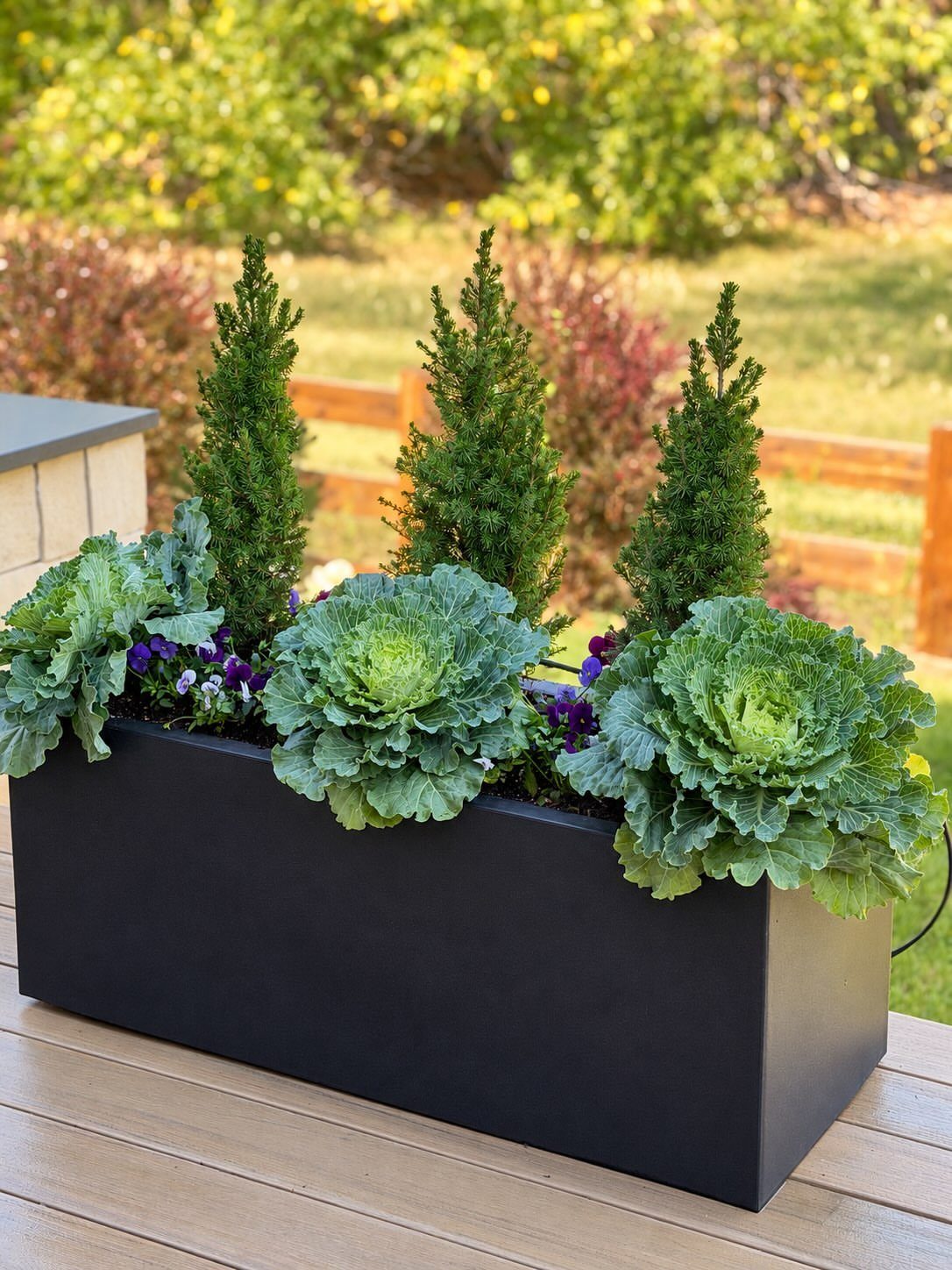
Tidy plant choices mean picking varieties that hold their shape and drop little. Upright evergreens, ornamental cabbage, and pansies in a single rectangular box stay compact and none of them are messy bloomers that scatter petals or berries.
I would skip anything that sheds bark or needs deadheading to stay neat; this approach works when the box looks intentional from April through October without weekly cleanup.
A single fertilizer schedule for the whole box only works when everything in it wants the same sun and water.

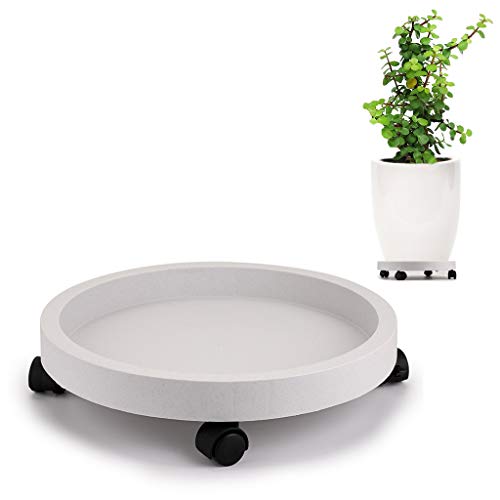
Size -12 "L x 12 "W(30CM X 30CM), the diagonal length of the planter is 16.5"(41.9CM). Suitable for most home pots, can be placed indoors or outdoors for a long term; There are a total of 4 wheels that can be locked and 4 wheels that cannot be locked.

Durable Powder Coated Welded Material: The metal flower pot caddy. And the iron potted plant stand with wheels is made of rustproof and weather resistant powder coated material,so its finish never fade over time.Round flower pot rack on rollers is welded with high quality iron that makes this plant caddy can bear heavier plants pots or other Heavy Containers. So this planter stand is enough to hold up to 440 lbs heavy planters or flower pot and moving freely.
MATERIAL: Made of the food grade PP resin, secure, solid and corrosion resistant
6. Colorful Foliage Plants

Colorful foliage carries a planter when flowers are between cycles.
I would group the planters in odd numbers and vary the height inside each one; the eye reads the composition better when one plant towers, one fills the middle, and one spills.
Dark pots like these heat up in direct sun, so I would choose varieties that tolerate warm roots or I would shade the south side with a larger plant.
Choose a pot large enough to give roots room to grow and hold moisture — usually at least 12 inches wide for most flowers or veggies.

🍀 【What You Get】Set of 6 adjustable planter brackets. The top width of the railing flowerpot bracket can be adjusted by 2 inches to 6.8 inches freely according to the width of the railing. Note: A planter pot isn't included. (Patent Registered) Patent USD745076S

Adjustable Design — Extendable arms adjust from 5.3" to 7.7" wide, crafted from 3mm thick premium iron for lasting durability. Easily adapts to 2x4 or 2x6 deck railings, window sills, and fence rails without measuring hassle.

Pair of brackets, 6 1/4-in D at base by 5-in H each
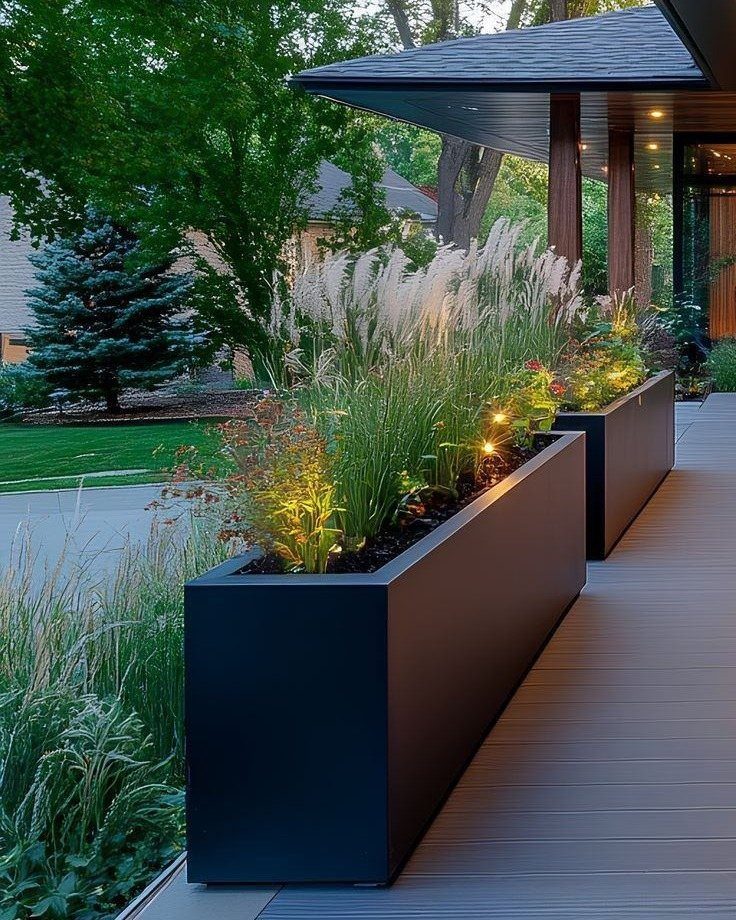
7. Edge-of-Deck Planters
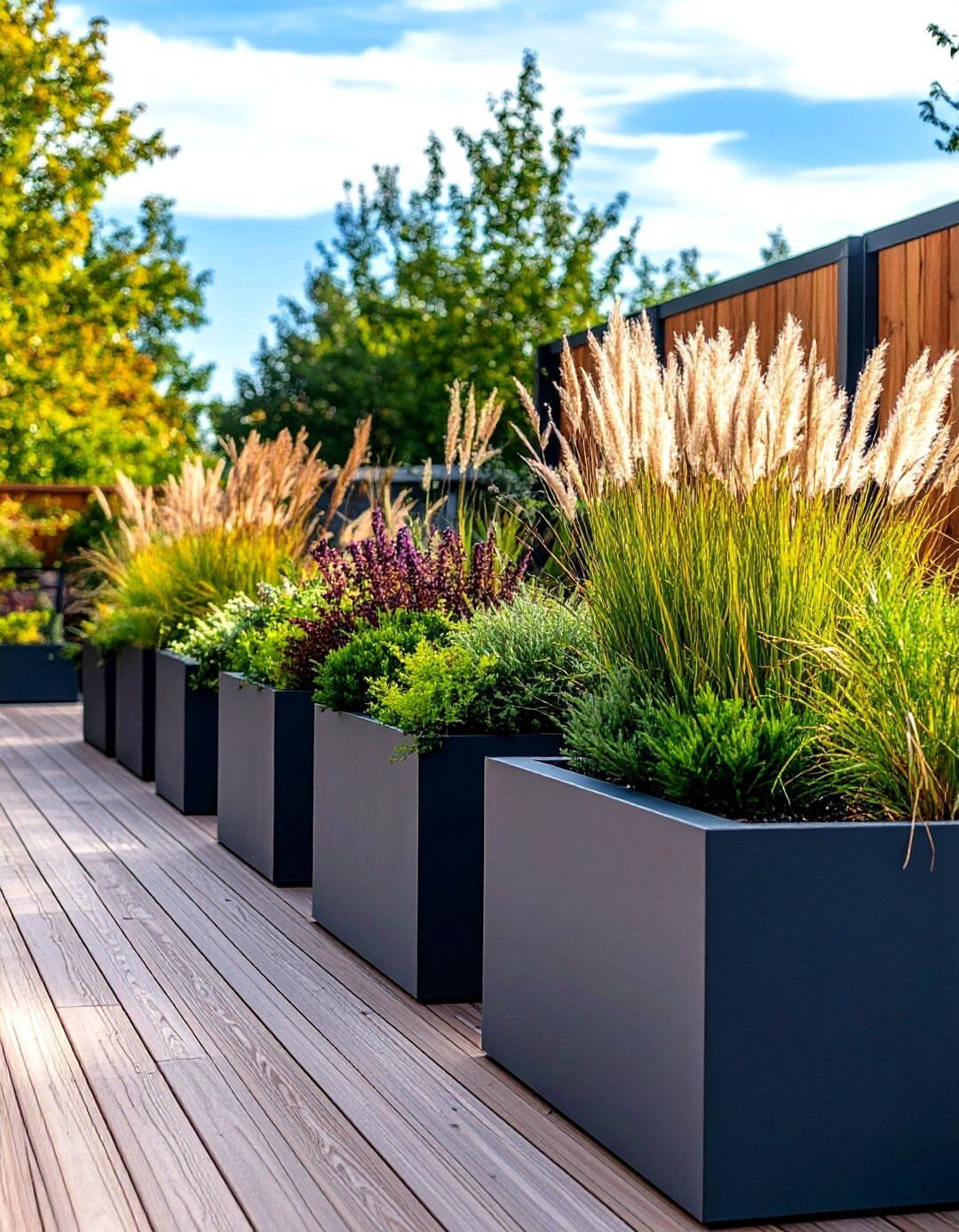
Large planters at the deck perimeter frame the space without crowding the center. I would set them back from the actual rim so the deck still reads as open walking surface, not a corridor between walls.
Dark grey boxes against wood keep the palette restrained; the grasses do the movement, the structure stays quiet.
Drainage matters here more than elsewhere because water runs straight to the joists below. I would raise every box on feet or shims so air circulates underneath and the deck boards dry after rain.

6-PACK SET: 4x4x4 inch. Pick the right size for your plants to prevent unpleasant experiences and potential wastage of resources. These indoor plants provide a compact and versatile option for displaying your favorite plants or creating captivating centerpieces. Please check image for detailed dimension to prevent unpleasant experiences and potential wastage of resources. Plants NOT included.

12-PACK SET: 4x4x4 inch. Pick the right size for your plants to prevent unpleasant experiences and potential wastage of resources. These wall hanging planters for indoor plants provide a compact and versatile option for displaying your favorite plants or creating captivating centerpieces. Plants NOT included.

Innovative Space-saving Design: maximize your gardening potential with our stackable wall planter system; Each piece measures 9.45" x 5.71" x 5.51" and features two pockets, The overall dimensions are 47.5"x33"x5.5" offering ample growth space for a variety of plants; Nice for Fence Balcony Wall Decor, these vertical wall planters change limited spaces into gardens effortlessly
8. Privacy Screen Planter Boxes
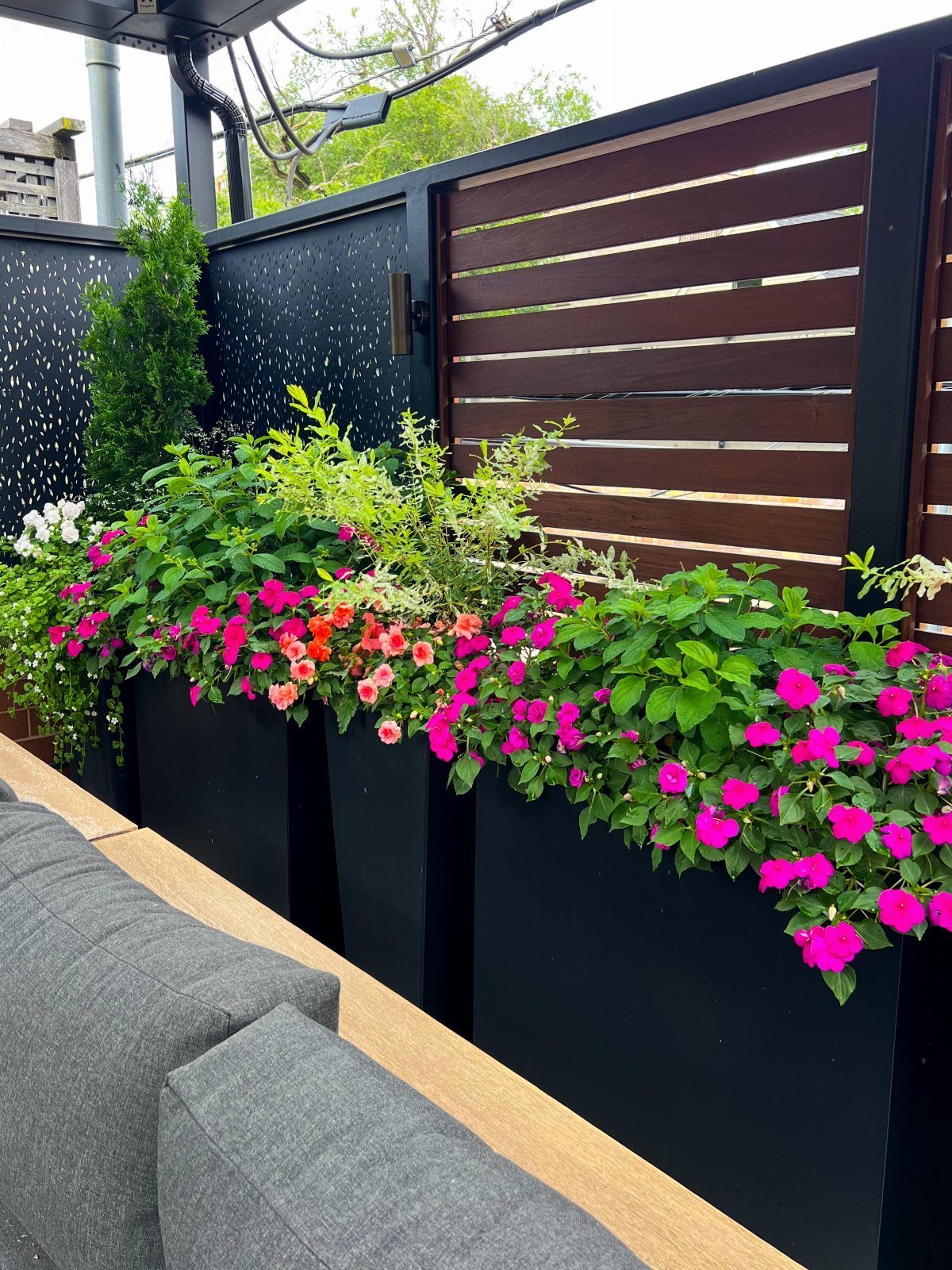
Planters paired with a slatted screen give you privacy and planting in one move.
The black boxes against dark wood read as a single built-in piece, which is the look I would aim for; matching or nearly matching the planter to the screen keeps the eye on the flowers, not the hardware.
Bright annuals in peach and pink need deadheading to stay that clean, so this setup suits someone who checks the deck weekly through summer.
I would keep the box height low enough that the screen still ventilates and the arrangement does not tower over seated guests.

【Sturdy All-Metal Construction】This 2-tier wrought iron plant stand provides reliable support for your plants both indoors and outdoors. From top to bottom, including the shelves, every component is made of the same 0.6inch thick tube, ensuring strength and stability. Maximum load capacity 50LB.

【Universal Fit for Most Railings】Stop worrying if it will fit! Our adjustable railing planter boxes bracket (made of sturdy, powder-coated iron) securely mounts on any railing from 1.6" to 4.9" wide. This no-drill design protects your property, giving you a stable, custom fit for your balcony, deck, or patio fence.

【Sturdy All-Metal Construction】This 3-tier wrought iron plant stand provides reliable support for your plants both indoors and outdoors. From top to bottom, including the shelves, every component is made of the same 0.6inch thick tube, ensuring strength and stability. Maximum load capacity 50LB.
9. Tiered Plant Stands
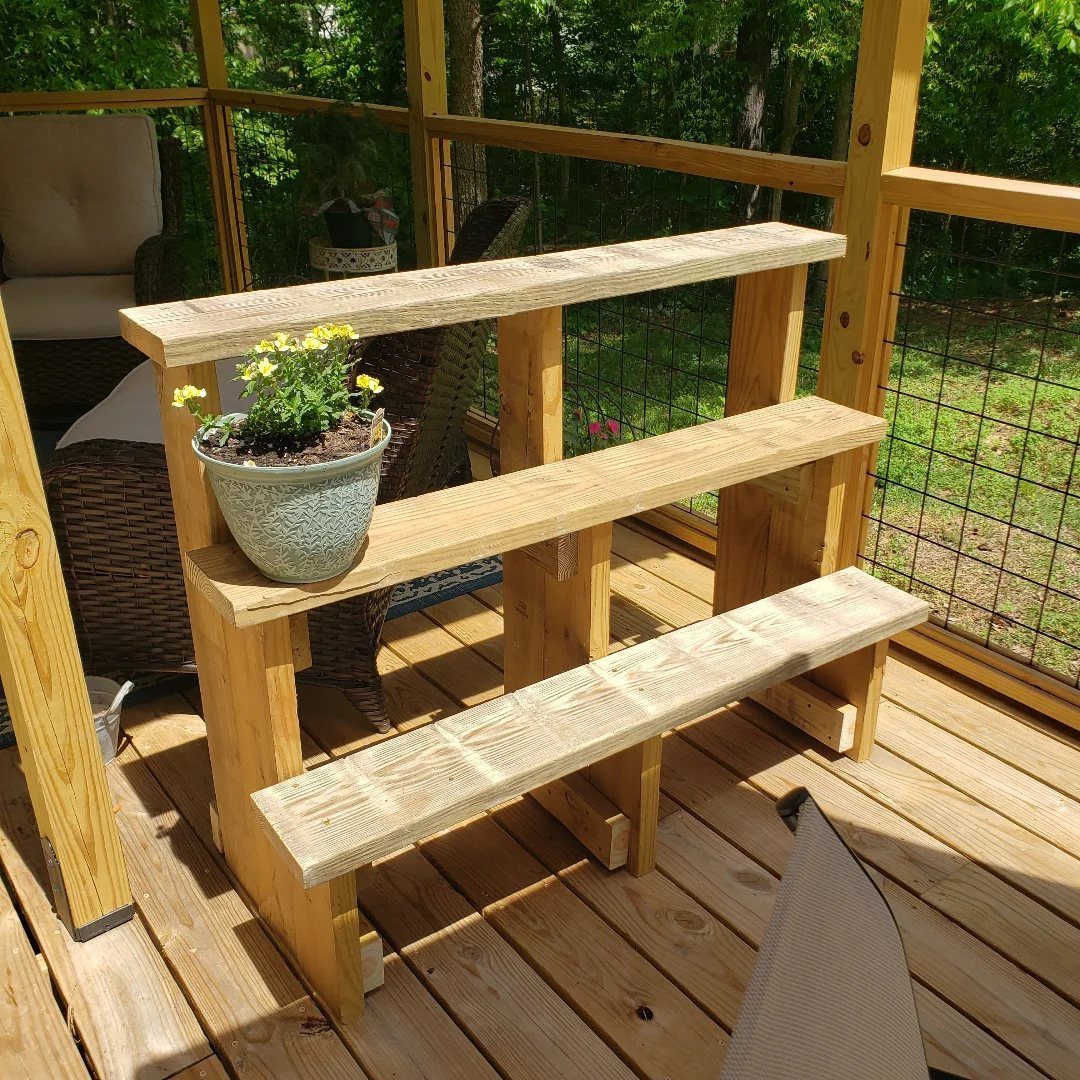
A raw wood stand against the railing turns vertical space into display without blocking the view through the rails.
3 tiers at different heights let you stage plants by scale, though I would not load the top shelf with anything tall; wind catches it and the stand rocks.
The light timber weathers fast on an uncovered deck, so I would seal it yearly or accept the greying as part of the look.
I would rather rotate a single good plant through the seasons than crowd all three levels at once; one pot on the middle shelf keeps the stand from looking cluttered.

Designed to fit traditional 2"x1" and 2"x4” (1.5"x.75" and 1.5"x3.5") railings with the included stabilizers.

Classic design with a natural matte finish

Designed to fit traditional 1” metal railings and 2x4 (1.5x3.5”) railings with the included stabilizers.
10. Corrugated Metal Planters
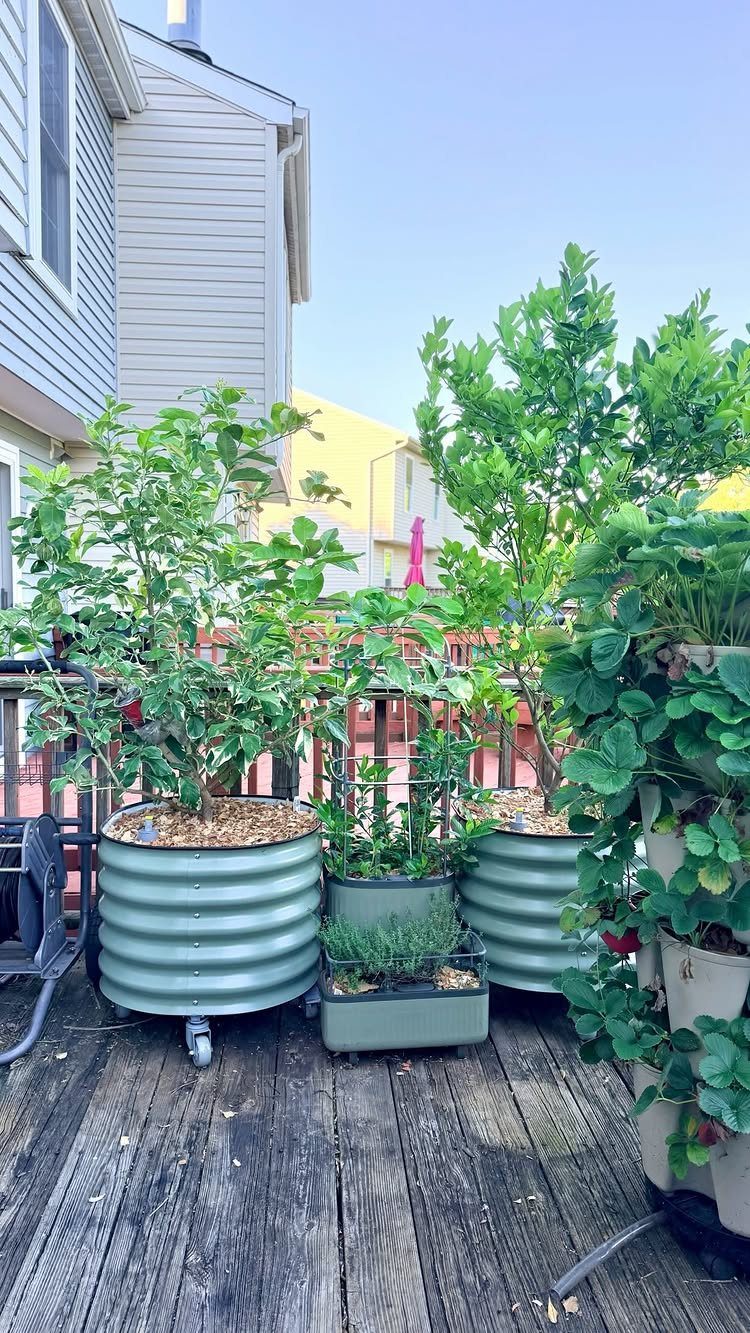
Corrugated metal rounds on casters let you roll heavy plantings for cleaning or sun shifts.
Galvanized steel holds up to rain but heats up in direct afternoon sun, so small trees inside need varieties that tolerate warm roots or a spot that gets partial shade by midafternoon.
The wheels are the detail I would check first; deck boards have gaps, and small hard casters catch between them. I would want pneumatic or wide rubber wheels, or I would skip rolling and set the planter on paver pads.
The vertical strawberry planter nearby suggests this is an edible deck, and metal does not leach the way treated lumber can.

【22Inch Large Size - Upgrade Your Plant Caddy】AugFir heavy duty rolling plant stand measures 22"L x 22"W x 3.5"H, allow you to effortlessly move your large indoor and outdoor plant pots. Equipped with four wheels, allows you to easily adjust plant positions according to seasons or moods, making plant care more effortless than ever.

🚛ROLLING RAISED GARDEN BED WITH WHEELS Designed with rolling wheels for easy movement, allowing you to reposition the garden bed for better sunlight, weather changes, or convenience.

STURDY AND DURABLE -- The planter tray is made of thickened carbon steel plate, and the surface is finished with environmentally friendly and harmless black baking paint, made it rust-proof and durable. With 5cm height wall rim to secure planter and water.
11. Clustered Mixed Containers
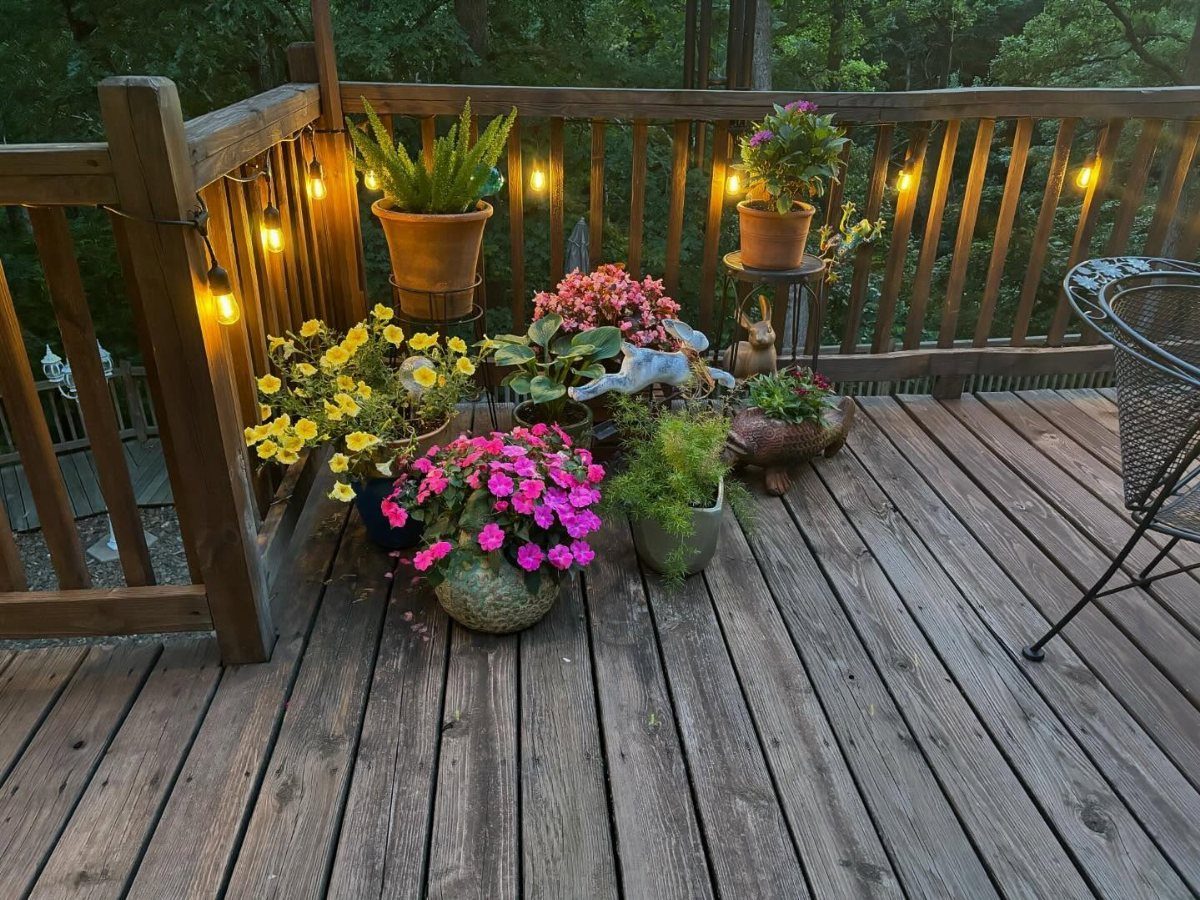
A loose grouping of different pots turns an empty corner into something gathered over time rather than bought in one trip.
String lights overhead mean this cluster is meant for evening use, so I would keep the arrangement low enough that seated guests still see across it; my cutoff is lower than knee height unless the deck is extra wide.
Mixed sizes work when the largest sits at the back or center and smaller ones step down.
The figurines are a personal touch, but I would limit them to one or two; more than that and the plants start competing for attention.
12. Oversized Statement Urns

A single large urn under a pergola anchors the space the way a piece of furniture would. The textured grey ceramic and the dark wood overhead read as intentional contrast; I would not add another competing texture nearby.
One lush shrub fills the scale without looking sparse, though I would check the mature size before buying; a plant that outgrows the urn in two seasons undoes the investment.
Wet deck boards tell me this spot drains slowly or the pergola blocks sun enough that moss is a risk, so I would lift the urn on a paver or feet to keep the wood beneath it dry.
Maintaining Deck Planters
Watering container plants on a deck means checking daily in July and August, not guessing. I would lift each pot to feel the weight; a light pot needs water even if the surface looks damp.
Feed with half the strength the label recommends and do it twice as often; concentrated fertilizer in a small pot burns roots fast.
Every container needs to sit above the deck surface, even the ones that look like they sit flat. A gap between the planter bottom and the deck surface lets me sweep or rinse debris away without dragging the planter.
For soil, I would use potting mix, not garden soil; it drains fast enough that roots do not rot in a wet week and holds moisture long enough that I am not out there twice a day in a dry spell.
Planter Materials
Fiberglass is the material I would pick for most decks.
It weighs less than concrete, so I can move it alone, and it does not crack in freeze-thaw cycles the way ceramic eventually will. The finish can read like stone or wood without the upkeep either of those needs.
Concrete has its place on a ground-level deck where nothing needs to shift, but I would check the load first; a single large concrete planter filled and wet is dead weight that adds up fast.
Plastic is cheap and portable, though the thin ones warp in sun after a season or two. I would spend the small extra for thicker resin if I went that route.
Metal, wood, and terra cotta each have the problems the list entries already cover: heat, rot, or breakage. For a planter that needs to last with little attention, fiberglass still wins.
Frequently Asked Questions
What to put under plant pots on decking?
Pot feet, wheeled caddies, or bricks lift containers just enough to let air circulate and water drain away from the boards. Raising the pot also means you can hose off pollen and leaves without shifting the planter out of place.
I would check that the risers are wide enough for the pot’s weight when wet; narrow feet can punch into soft deck boards over time.
What are common mistakes in container gardening?
Overwatering and overfeeding top the list. Roots in small pots rot fast when soil stays soggy, and concentrated fertilizer burns them just as quickly.
I would water by lifting the pot to feel its weight rather than glancing at the surface, and I would feed at half strength twice as often instead of full strength once.
Can I make planters from decking boards?
Yes, though I would match the board material to whatever the deck is built from so weathering stays even.
Pressure-treated pine planters on a pressure-treated deck age at the same rate; mixing cedar with treated lumber leaves one looking fresh while the other grays.
Any built-in box needs drainage routed away from joists, which usually means a sloped bed inside or a gap that lets water run past the structure.
What are the best plants for deck planters?
Choose based on how much sun the spot gets and how often you will tend them. I would always keep mint in its own container, since it outgrows anything else by midsummer.
Can I use deck planters in a small space?
Small decks actually gain the most from planters, especially railing boxes and vertical units that add growing volume without eating floor space.
I would make these decisions before building, not after; retrofitting support into an existing rail is harder than incorporating it from the start.
How do I install deck planters on railings?
I would build the rail to carry the load from the start, sizing the lumber and spacing the posts for a full box of wet soil rather than clamping something on after the fact and hoping it holds.
Boxes that sit on top of the rail wobble less than straddle types, which also block the view more than necessary.