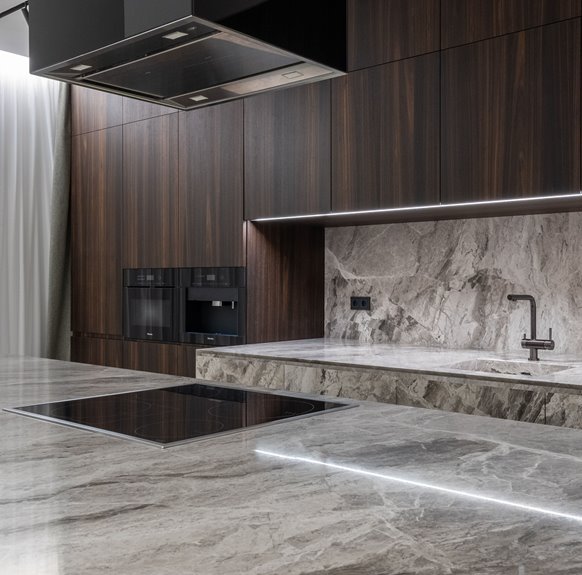
I’ve tested dozens of countertop options over the years and can share my top 10 quartz alternatives that offer significant savings. Laminate provides a granite appearance for under $50 per square foot, while painted countertops offer a DIY option at about $80 total when removal isn’t feasible. Granite overlays add real stone without requiring demolition, and solid surface brands like HIMACS deliver seamless finishes at 40-60% less cost than quartz. Butcher block brings warmth and can be refinished with simple 220-grit sanding, concrete offers customizable finishes from charcoal to terracotta, and porcelain slabs like Dekton weigh less than stone while requiring no sealing. Recycled glass features ocean teals and cobalt blues, and sintered stone withstands temperatures up to 500°F for indoor or outdoor use. Each option provides distinct characteristics suitable for different kitchen needs and budgets.
Laminate Countertops: Resurface for Under $50/Sq Ft
So you’re staring at your kitchen and thinking, “There’s no way I’m spending quartz money right now.” I understand.
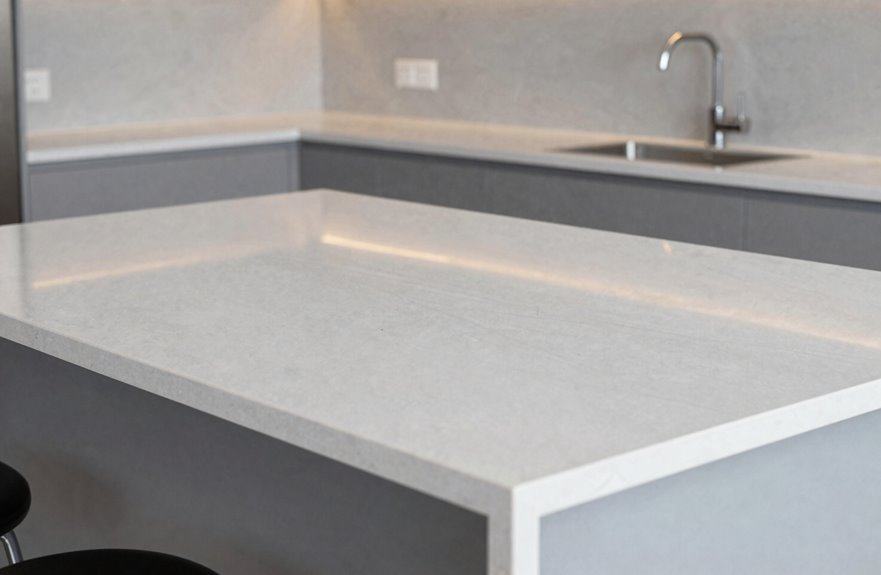
Laminate countertops offer serious resurfacing power for under $50 per square foot, delivering a granite or marble look without the granite or marble price tag. I installed Wilsonart HD Laminate in my own kitchen last spring, and guests still do a double-take.
Laminate consists of a particleboard core, decorative layer, and tough plastic coating on top. Wipe it down daily and avoid direct heat with trivets. This budget-friendly option gives you access to a beautiful kitchen now, rather than waiting for a larger investment later. While it won’t outlast stone, the cost savings make it a practical choice.

𝐖𝐨𝐨𝐝 𝐂𝐨𝐧𝐭𝐚𝐜𝐭 𝐏𝐚𝐩𝐞𝐫: Peel and stick wood contact paper, self adhesive, removable, bubble free, repositionable. Not sticky residue left, not damage the surface.

✪【White marble wallpaper looks great】Marble furniture stickers has the 3D visual effect of natural marble, simple and stylish,Can easily decorate and repair walls, ceilings and floors,renovate various furniture, make your love home a new look.

📸𝐖𝐨𝐨𝐝 𝐂𝐨𝐧𝐭𝐚𝐜𝐭 𝐏𝐚𝐩𝐞𝐫: Peel and stick wood contact paper, self adhesive, removable, bubble free, repositionable. Not sticky residue left, not damage the surface.
Painted Countertops: DIY Renewal When Backsplashes Limit Removal
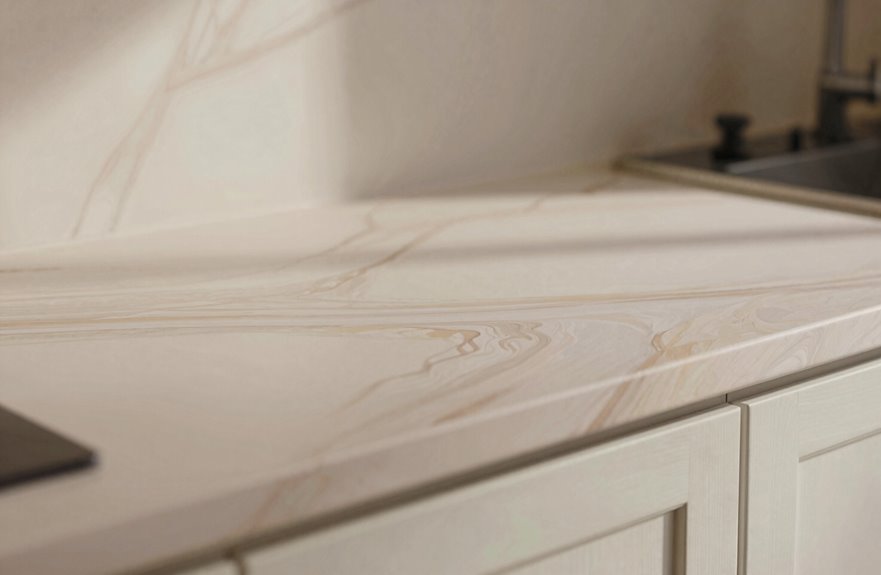
Laminate worked great for my full kitchen redo, but sometimes you can’t rip everything out. Painted countertops become your DIY renewal option when backsplashes are glued tight to the wall. No demolition required.
Sometimes you can’t rip everything out. Painted countertops become your DIY renewal option when demolition isn’t possible.
I grabbed supplies from Home Depot: primer, stone-look paint, and polyurethane, and got to work. Here’s my game plan:
- Clean like crazy with degreaser so the paint actually sticks
- Prime with Zinsser Bulls Eye 1-2-3 and let it dry 2 hours
- Roll on 3 thin coats of Giani countertop paint in “Chocolate Brown”
- Seal with 2 coats of water-based polyurethane for protection
The painted surface won’t withstand hot pans placed directly on it. For $80 total, this renovation approach delivers significant cost savings.

Transform the look of outdated countertops with a faux marble kit
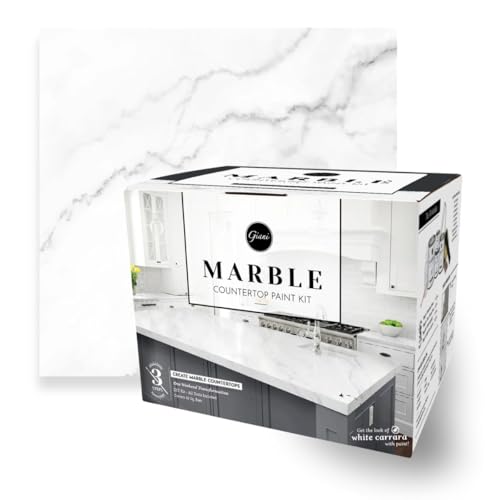
Giani Countertop Paint is a simple, three-step application that will transform Formica, laminate, Corian, ceramic tile, butcher block, cultured marble, and traditional granite in a single weekend.
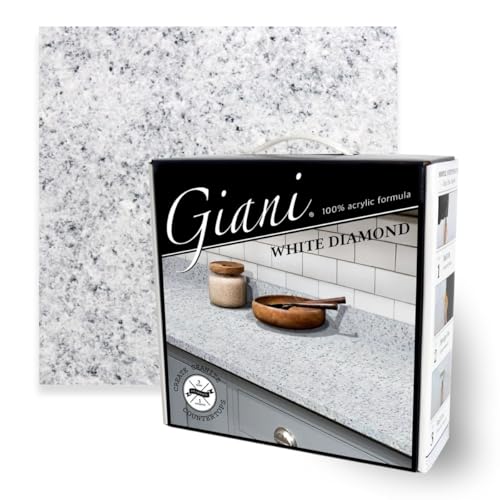
3 simple steps that will transform Formica, laminate, Corian, ceramic tile, butcher block, cultured marble, and traditional granite in a single weekend.
Granite Overlays: Real Stone Without Full Demolition
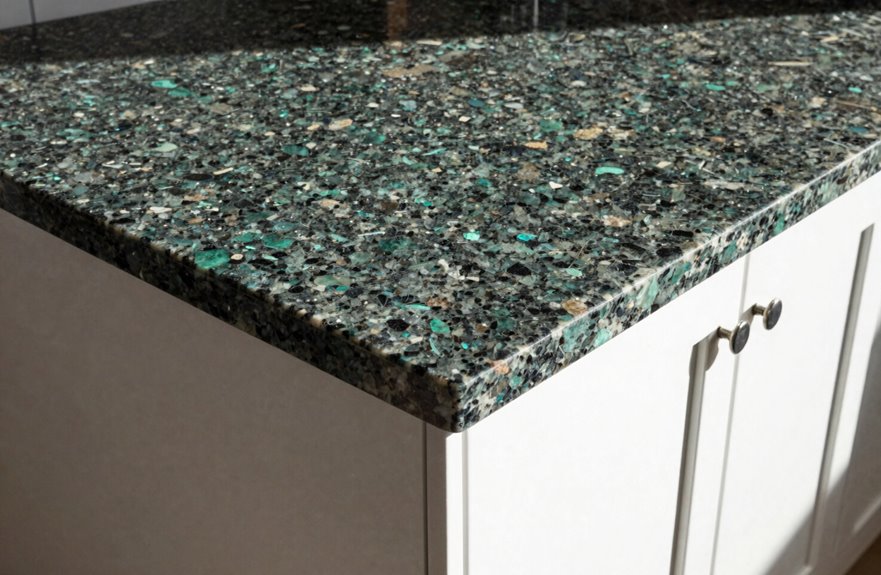
I’m excited to tell you about granite overlays. They’ve saved my friends thousands. Instead of ripping out your old counters, you apply a thin sheet of real granite, usually ¼ to ½ inch thick, right on top. This cuts both labor and material costs significantly. You’ll want to check that your edges line up with your backsplash. Once that’s sorted, you get genuine stone durability without the demolition process.

🏠Details: 15.8x197 Inch, total 21.65 sq.ft (40cmX5m). Self adhesive. Made of durable vinyl. Ash grey granite contact paper peel and stick. Washable. Waterproof. Fully removable.

Durable and Protective Surface: The Vinyl Countertop is Waterproof, Scratch and Heat Resistant, and will restore any smooth surface. Renovate kitchen decor, bathroom decor, and wall decor with the matte stone marble wallpaper
Cost Savings Advantage
Why spend a fortune tearing out your whole kitchen when you don’t have to? Granite overlays are the budget-friendly alternatives that can transform how you approach remodeling. My neighbor went this route and was impressed with the results; real stone with no demolition required.
Here’s how you keep more cash in your pocket:
- Skip the tear-out and save hundreds on labor and dump fees
- Keep your cabinets exactly where they are; no height adjustments needed
- Pay less than quartz in most markets (I checked three local suppliers)
- Avoid timeline delays that blow up your budget
The cost savings add up quickly when you’re not rebuilding from scratch. Chat with your installer about those pebble-sized seams and edge details first. This is how smart renovators achieve that high-end look without the high-end bill.
Installation Process Overview
The installation process takes about a day. When I chose granite overlays for my kitchen, the simplicity of the process was striking. They measure your existing counters first, usually about 25 inches deep for standard kitchens. Then they fabricate a thin granite veneer, roughly ¼ inch thick, that fits right over your old surface. No jackhammers, no dust everywhere, no living without a kitchen for weeks. I watched them prep my old laminate, apply adhesive, and set the overlay pieces with precision. The cost savings are significant; no demolition labor, no dumpster rental, no plumbing disconnects. My neighbors had raved about their results, and the quality is clear. The granite look comes without the complications of a full granite installation. Before installation, check your edge details carefully. My beveled wood trim needed slight adjustment for a clean backsplash junction.
Durability Comparison Analysis
Fathom this: you’re running your hand across a countertop that looks and feels like solid granite, but you’re actually touching a smart, skinny layer that your old surface is hiding underneath. Granite overlays let you join the stone-counter crowd without the mess and cost of full demolition.
Durability, however, tells a different story than thick slabs. Your substrate condition matters significantly.
Here’s my breakdown:
- Check your base surface for cracks or water damage first. No shortcuts.
- Quality installation beats bargain pricing every single time.
- Expect 10-15 years of life, not the 30+ from solid granite.
- Avoid heavy impacts near edges where the overlay meets cabinets.
For busy families wanting that granite aesthetic now, overlays deliver the visual upgrade. Understand the trade-offs before committing: reduced lifespan, substrate dependency, and edge vulnerability are the primary drawbacks compared to full slab installation.
Solid Surface: Seamless Quartz Alternatives at 40-60% Cost
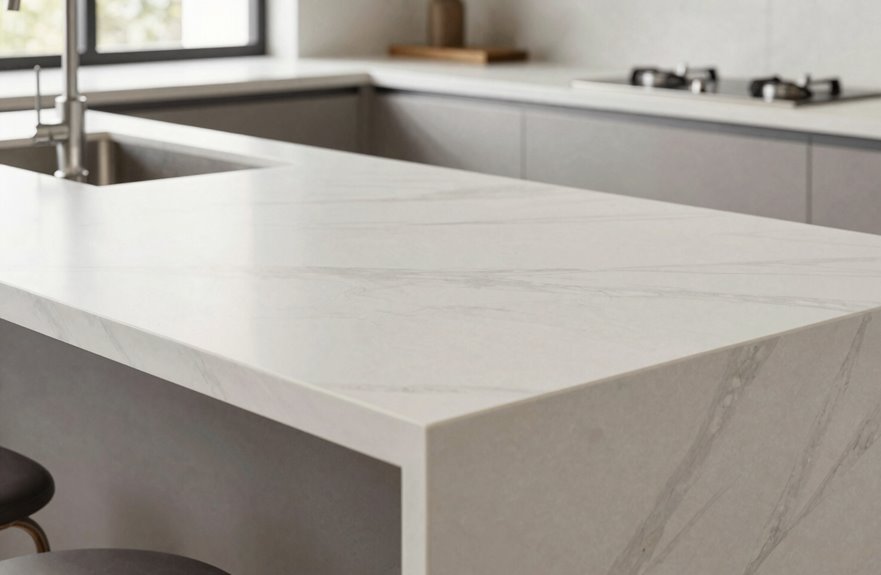
Solid surface countertops slash your budget by 40-60% compared to quartz while delivering that sleek, seamless look. Unlike stone options with visible seams, brands like HIMACS and Meganite let installers create perfectly smooth surfaces with integrated sinks and curved edges that look incredibly high-end. You’ll save thousands and get a non-porous, stain-resistant finish that handles everyday kitchen chaos beautifully. One limitation: avoid setting screaming hot pans directly on the surface, as heat damage can result in costly repairs.

Versatile hand sanding blocks for flat and irregular surfaces; item may ship in either 220 Grit, each pack features single grit only; great for wood furniture polishing, metal deburring, drywall repair, flower pot maintenance, plasterboard sanding and home DIY projects
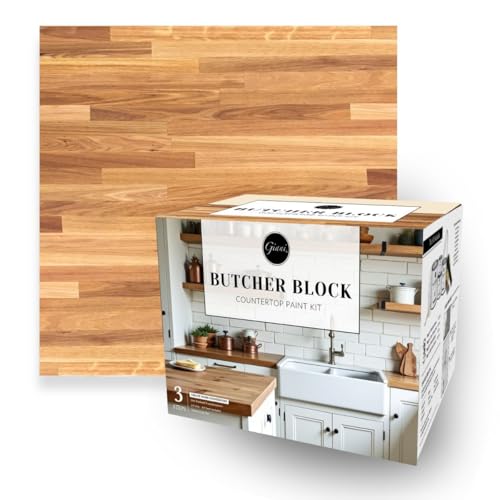
Authentic Woodgrain Finish: Transform your countertops with rich, warm tones and a realistic woodgrain design that brings the natural beauty of hardwood into your kitchen.

*Package Content: Includes 8 pieces 220 Grit angled sanding blocks, which are great for sanding odd shapes, edges and grooves. High-density durable sponge inside, solid and not easy to break, also resistant to water, wear, acid and alkali.
Cost Comparison Analysis
Why spend a fortune when you don’t have to? Solid surface countertops deliver style without the high cost of alternatives. Here’s the breakdown so you can understand why many renovators choose this option.
- Solid surface runs £40-£80 per square foot — that’s 40-60% less than quartz.
- Brands like Hanex, HIMACS, and Meganite offer a range of colors and finishes with a premium appearance.
- Scratches can be repaired. You sand and refinish instead of replacing, which saves money over time.
- Heat resistance has limits. Hot pans leave marks, so use trivets to protect the surface.
The seamless, non-porous finish provides the aesthetic of premium materials at a significantly lower price point.
Seamless Installation Benefits
Beyond saving money, I love how solid surface materials let me design without limits. With seamless installation, I get integrated sinks and flowing curves that quartz just can’t match. No visible joints means no grime traps. Brands like HIMACS, Durat, Velstone, and Meganite make my kitchen feel like one smooth, continuous surface.
These materials cost 40-60% less than quartz, and they’re totally low-maintenance. No sealing is required. Spills wipe right off because they’re non-porous, and scratches can be sanded out without professional help. There’s no silica dust involved.
The one limitation is that you can’t set a hot pan directly on the surface, but for everyday use, solid surface delivers the sleek, uniform look you want without excessive cost or complicated maintenance.
Butcher Block: Warm Wood Surfaces, Moderate Maintenance
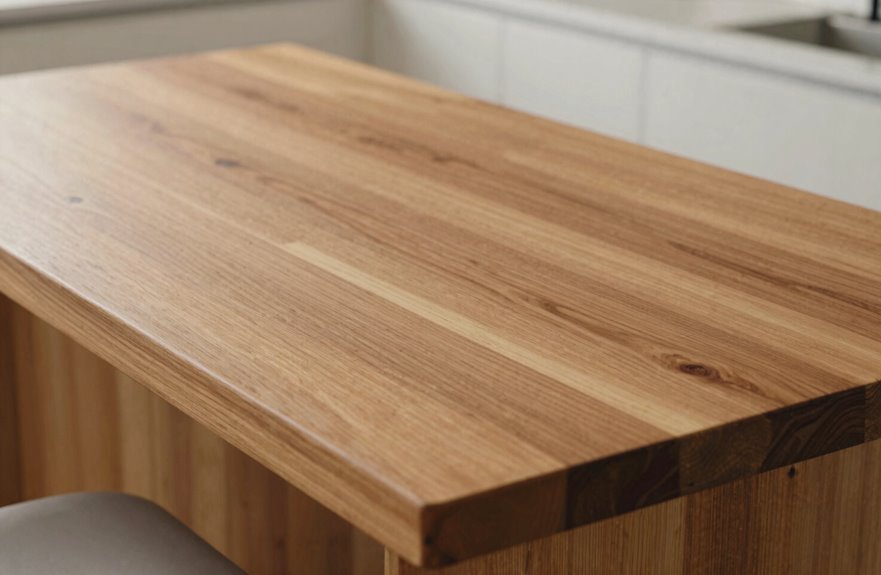
When I first ran my hand across a maple butcher block countertop, I knew I’d found something special. The warmth of natural wood brings something stone just can’t match. It creates a distinctly different aesthetic and tactile experience in your kitchen.
Butcher block comes from glued hardwood strips you can sand and refinish when life happens. Maintenance is required, but it’s manageable. The process of caring for the surface parallels the relationship you develop with the material over time.
Here’s what you need to know:
- Seal with food-safe oil every 4-6 weeks
- Sand out scratches with 220-grit paper
- Use cutting boards for raw meat (seriously)
- Embrace the patina. That lived-in look is the intended result of regular use.
Avoid water pooling, and the surface will perform well. This material is not suitable for bathrooms, but for rustic kitchens it delivers the warm wood aesthetic many homeowners seek.

HEAT-RESISTANT COUNTERTOP PROTECTION: Place under hot pots, pans, plates and small appliances to help shield kitchen surfaces from heat, scratches, chipping and cracking.
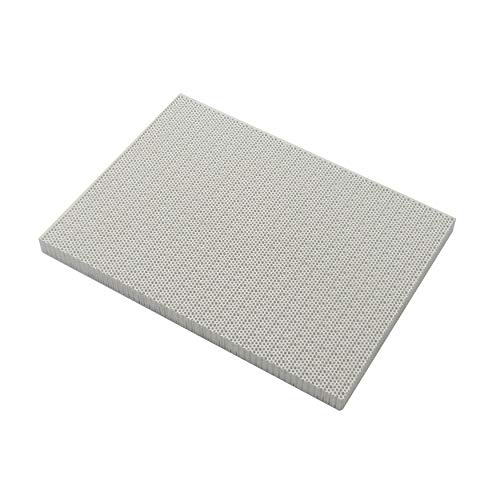
Size: 198mm*142mm*13mm(7.8in*5.59in*0.551in)

Please Note: This product includes only the heat‑resistant mat; kitchen appliances and tableware are not included
Soapstone: Soft, Natural, and Naturally Non-Porous
How does a stone that feels like silk sound? I’m talking about soapstone, and it’s worth considering.
Soapstone offers a smooth, matte finish with warm, cozy tones that work well in rustic or farmhouse kitchens. The standout feature is that it’s naturally non-porous, which means no sealing required.
Soapstone is softer than granite or quartz, so it can scratch with rough handling. Those scratches sand out easily, and over time your countertop develops a gorgeous patina that reflects your kitchen’s history. Each meal you prepare contributes to this evolving finish.
Soapstone delivers heat resistance, timeless appeal, and minimal maintenance requirements.
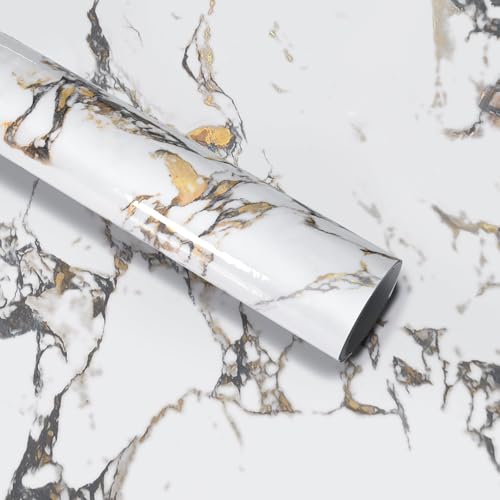
➣【Material of Marble Wallpapers】Glossy marble contact paper with some light brown textures, White gold marble vinyl wrap is made of premium PVC marble laminate sheet materials.waterproof, oil proof, heat resistant, wear-resistant, moisture-proof and not easy to tear

🏠DETAILS: 15.8 X 394 Inch, total 43.3 sq.ft(40cmX10m), Self adhesive(No extra glue needed). Made of durable vinyl, Green marble contact paper peel and stick waterproof, oilproof. Fully removable.

Premium Material & Roll Size: This glossy white marble contact paper is made of high quality thicken eco-friendly vinyl film with strong adhesion, durable, waterproof, oil-proof, heat resistant, moisture-proof, no easy to tear and can be used for a long time. Easy to clean, just need a damp cloth to wipe. Roll size is 15.74" wide by 118" long, covers 12.9 square feet each vinyl wall paper roll. The thickness is twice than regular wallpapers, and air guides groove design can avoid air bubbles when sticking
Concrete Countertops: Custom Industrial Looks, Mid-Range Price
What if I told you your kitchen could look like a trendy downtown loft without the downtown rent? That’s exactly what concrete countertops deliver. Friends have transformed ordinary spaces into Instagram-worthy gathering spots with this material.
Concrete countertops deliver that trendy downtown loft aesthetic—without the downtown rent.
- Endless textures like these: polished, matte, or stamped patterns that mimic limestone or slate
- Custom finishes in any shade: charcoal, sandstone, or terracotta using concrete pigments
- Edge details that wow: waterfall edges 2.5 inches thick or curved waterfall corners
- Mid-range price point: expect $65–$135 per square foot installed
You’ll need professional fabrication and sealing every 1–3 years with Seal-It Original Sealer. Coffee rings will appear without proper sealing. The distinctive, modern aesthetic requires this maintenance commitment, but delivers the custom industrial look most homeowners want in their kitchens.

Luxurious Aesthetic: Emulates the high-end look of white quartz with a glassy sheen, ideal for adding a touch of elegance to both traditional and contemporary spaces.

Transform the look of outdated countertops with a faux marble kit

3 simple steps that will transform Formica, laminate, Corian, ceramic tile, butcher block, cultured marble, and traditional granite in a single weekend.
Porcelain Slabs: Lightweight Stone Mimic for Modern Kitchens
Porcelain slabs offer impressive lightweight durability. They resist scratches, stains, and UV rays without sealing requirements. These slabs mimic granite veining while installing easier than heavy natural stone. Brands like Dekton and Neolith offer 12mm-thin edges that create the seamless, modern aesthetic popular in contemporary kitchen design.
Durability and Performance
Step into any modern kitchen showroom and you’ll spot porcelain slabs prominently displayed. These surfaces offer significant durability with minimal maintenance requirements.
- Scratch Resistance: Porcelain resists knife marks and daily wear.
- UV Protection: Sunlight won’t fade your counters, so large windows won’t affect appearance.
- Non-Porous Surface: Spills remain on the surface rather than absorbing into it. Simple wiping cleans completely.
- No Sealing Required: Skip annual maintenance costs. This surface requires no special treatment to maintain functionality.
Premium brands like Dekton and SapienStone cost more than basic quartz, but offer superior durability. Installation proves simpler than granite. At 42 square feet, a typical kitchen installation demonstrates the practical ease of porcelain application. Porcelain delivers granite-inspired aesthetics with straightforward installation and maintenance.
Design Versatility Range
Looking at porcelain slabs, their ability to mimic premium stones like Calacatta marble or exotic granites is striking. Porcelain offers something solid surface and engineered stone sometimes miss: that airy, authentic stone feel without the weight.
These slabs blend seamlessly with sleek cabinets and bold backsplashes. The veining runs deep, just like real granite, with perfect color matching across every piece. You won’t need to hunt for “close enough” slabs.
For a high-end kitchen aesthetic, porcelain delivers across modern styles, from minimalist white kitchens to dramatic dark spaces. You get genuine stone beauty without the sealing and maintenance requirements of natural stone.
Installation Advantages
How easy are porcelain slabs to install? Installing porcelain countertops offers significant advantages for your renovation team.
Installation advantages include:
- Lighter weight means two people can carry 6mm slabs (about 3 lbs/sq ft) without difficulty
- No heavy equipment needed. One crew skipped the crane rental and saved $800
- Faster install times since durable surfaces cut cleanly with basic wet saws
- Less structural prep because your cabinets don’t need extra reinforcement
You get granite-inspired beauty without the labor demands. A 10-foot island installation took under four hours, demonstrating the material’s straightforward application process.
Recycled Glass: Eco-Friendly Surfaces With Color Variety
Why settle for ordinary when you can turn yesterday’s wine bottles into tomorrow’s stunning kitchen centerpiece?
Recycled glass countertops offer eco-friendly surfaces with impressive personality. Imagine walking into your kitchen and seeing crushed cobalt blue bottles or amber glass catching the morning light. These surfaces function as practical art.
You’ll find breathtaking color variety here, from ocean teals to fiery oranges. Brands like GEOS create incredible composite systems using post-consumer glass mixed with resin or concrete-like binders. They’re non-porous and resist stains beautifully, so cleanup is straightforward.
These countertops are softer than quartz and can chip if subjected to rough treatment with heavy pots. For homeowners prioritizing sustainability, this durability trade-off aligns with their values. You reduce landfill waste while preparing meals.
Sintered Stone: Premium Durability for Indoor-Outdoor Use
Imagine this: I’m hosting my first outdoor kitchen party, and my buddy accidentally drops a blazing hot cast iron skillet right onto my new countertop. With sintered stone, I don’t even flinch. This stuff handles everything.
Here’s why I’m obsessed:
- Zero silica – finally, a surface that’s safer for my family and the installers
- UV stability – my outdoor kitchen stays gorgeous without fading or yellowing
- Extreme heat resistance – that 500°F skillet barely left a mark
- Scratch and stain proof – red wine, knives, you name it
Yes, sintered stone like Lapitec costs more upfront. Yes, finding qualified installers takes effort. But the durability across indoor-outdoor use is unmatched. You’re investing in decades of worry-free cooking and entertaining. Sintered stone resists thermal shock, UV damage, and staining better than conventional countertop materials, making it suitable for both kitchen and outdoor applications.

Extra Large and Thick - The size of 16 x 12 x 3/8 inches is up to three times larger and thicker than regular silicone trivet mats, providing more area protection against heat and scratches on your kitchen countertop, dining table, and other surfaces

Dimensions (in inches): 8 W x 8 H x 1/4 D

LARGE SILICONE TRIVET: Extra large trivet allows you to better prevent large hot dishes, pots, appliances, etc. from scalding your countertop, preventing spills and keeping your countertops organized. Made from food-grade silicone, Angardy Homeware pot holders are BPA-free and will not attract odors, stain, rust or crack. Size: 16'' x 12'' x 1/4''