I’ve used both types. Peel-and-stick is basically a giant sticker with no paste and no mess, and you can apply it in a weekend. Traditional wallpaper requires paste and steady hands, so most people hire a professional for installation. Peel-and-stick lasts about 5 years, while traditional wallpaper lasts 10 to 15 years. Peel-and-stick works well for rental bathrooms, but it’s not suitable for humid environments where traditional wallpaper performs better. Removing peel-and-stick involves peeling from a corner, while traditional wallpaper requires scoring and steaming. Additional factors should be considered when choosing between these options for your walls.
How Each Type Actually Applies (and What You’ll Need)
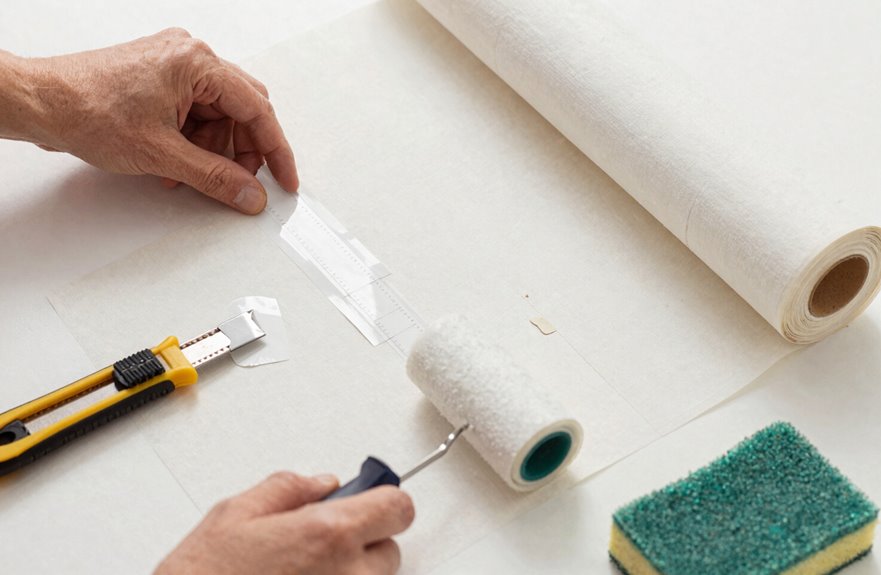
So here’s the deal: I’m going to walk you through exactly how these two wallpapers go up on your wall.
Peel and stick wallpaper is like a giant sticker. You literally peel off the backing and press it down. No paste, no water, no mess. However, your wall preparation needs to be thorough. Surface smoothness is critical because bumps show through and the adhesive won’t stick properly. You get maybe one or two tries at repositioning before that backing gets compromised.
Traditional wallpaper requires a different approach. You’re brushing paste onto the wall or the paper (paste-the-wall is my preferred method), then smoothing and sliding panels until seams match perfectly. It’s messier but significantly more forgiving since you can nudge and adjust before the paste sets. Removal is tougher though, and grasscloth textures complicate both installation and removal.

【SIZE&MATERIAL】17.3In X118.In=14.16sq.ft.Floral wallpaper,upgrading and thickening. Adopt vinyl and the latest removable glue,wallpaper sticks to any smooth, flat ,clean surface,No residue after removal.

Floral Wallpaper - 【Size&Material】16.9in X118.1in=13.85sq.ft. Floral wallpaper made of new and upgraded vinyl material, upgrading and thickening. Which has strong adhesion and can be easily applied to any smooth,Clean and dry surface.

Floral Gold and Dark Green--【SIZE and MATERIAL】17.7 inch x 118.1 inch ≈14.5sq.ft.Made of vinyl, this wallpaper has strong adhesion and can be easily applied to any smooth and dry surface.
Can You Install It Yourself? DIY vs. Professional Installation
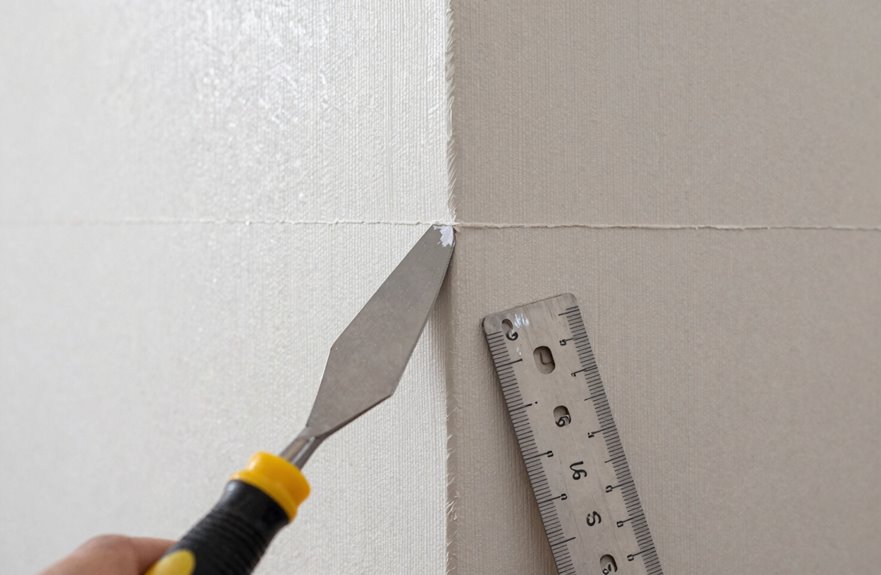
If you’ve got a weekend and a steady hand, you can handle peel and stick wallpaper yourself. Peel and stick installation is the ultimate DIY wallpaper project: no paste, no mess, just peel and smooth. You’ll need basic installation tools like a utility knife and squeegee, plus solid wall surface prep. Sand those bumps down because textured walls require careful consideration; this material performs best on smooth surfaces.
Traditional wallpaper requires professional wallpaper installation. The adhesive type matters. Paste can get messy fast, and grasscloth demands expert hands. Peel and stick offers significant advantages: repositioning during installation is forgiving, and removal is straightforward when you’re ready for change. This approach also reduces wall damage risk compared to traditional wallpaper.
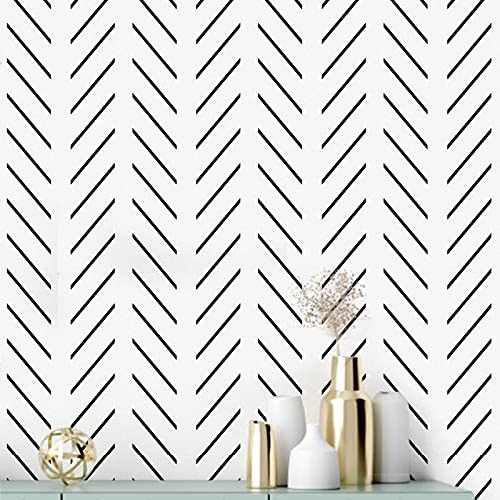
【DESIGN】:Creative and simple modern stripe design, black stripe strewn at random have sent to constitute a pair of rules and simple picture. Unique modern minimalist style, let you have a better visual experience

[ Design]--Floral elements of plants.The color collocation is docile, soft, and the theme is bright. Ideal for large area renovations.

Unique Design: This blue modern peel and stick wallpaper features a charming leaf pattern, with some leaves delicately filled with geometric lines, adding a simple yet elegant touch of natural energy to your home
How Long Peel-and-Stick and Traditional Wallpaper Actually Last
How long does wallpaper actually stick around? Peel-and-stick longevity reaches over 5 years with proper care, while traditional wallpaper lifespan stretches 10–15 years.
Wall prep impact matters significantly for removable wallpaper durability. Peel-and-stick fails quickly on dirty or freshly painted walls, whereas traditional wallpaper performs well under rougher conditions. Non-woven wallpaper durability excels in high-traffic areas where peel-and-stick might bubble or lift.
Environmental conditions like heat and humidity test both types, but traditional wallpaper wins for long-term permanence. Peel-and-stick is temporary by design, which affects wallpaper removal impact later. Peel-and-stick works well for quick changes, but traditional wallpaper is the choice for lasting results. Select the option that best suits your needs and lifestyle.

Carefully Curated wall paper kit :this wallpaper tools comprises all the necessary professional tools for wallpaper peel and stick installation.each tool is crucial for expert installation. This wallpaper tool kit can meet your various needs for cutting,smoothing,cleaning,applying.

6", wallcovering paste brush, use for spreading wallcovering & border adhesive, complete with handy bucket hook, dips right into paste bucket, great for faux finishing

Flexible Wallpaper Smoothing Tool: The 7.6 inch wide blade allows for even coverage the first time. The rounded edge means no tears or affect to the finish. 12 Inch squeegee built-in ruler 30cm and 4 inch felt squeegee with fabric felt edge material will help to prevent damage on surface.
Where to Use Peel-and-Stick vs. Traditional Wallpaper
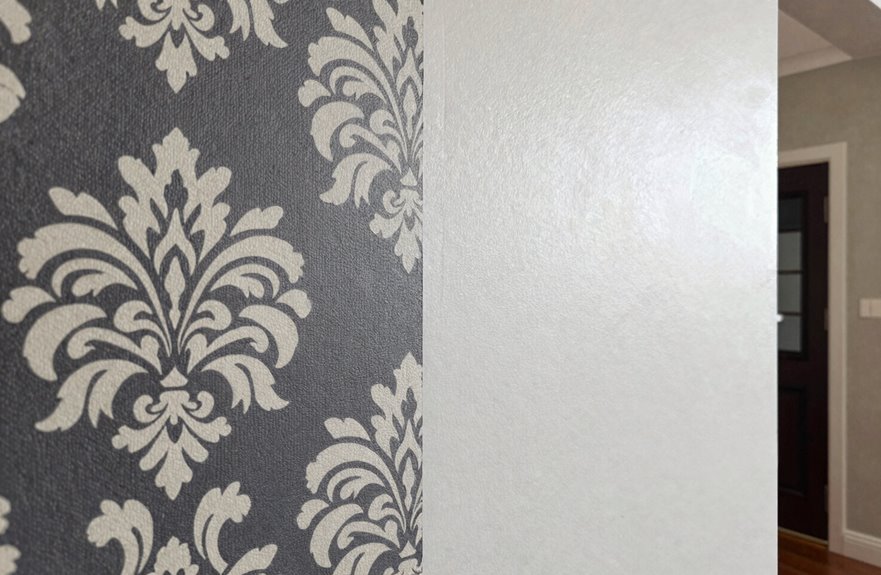
Where exactly should I put each type of wallpaper? I get this question all the time.
Peel-and-stick is my go-to for rentals and quick DIY projects. I love applying removable wallpaper onto smooth wall surfaces in bedrooms, nurseries, and dining rooms. It provides fast installation without long-term commitment.
Peel-and-stick wallpaper transforms rental spaces and weekend DIY projects with zero long-term commitment required.
Humidity significantly reduces peel-and-stick performance. For bathrooms and kitchens, traditional wallpaper is the better choice. It resists steam effectively and adheres to textured and imperfect walls.
Traditional wallpaper also performs better for long-term decor in high-traffic hallways and living rooms. While removal requires more effort, the durability justifies the investment.
Strategic room planning determines which wallpaper to use. Temporary updates work well with peel-and-stick, while permanent installations benefit from traditional wallpaper’s texture and longevity.

【Design】Floral and bird wallpaper overall use of blue and green with the birds fall in the blue flowers, more reflect a kind of natural serenity and beauty.

Stone Wallpaper--[SIZE&DESIGN]--17.7In X 118.1 In=14.5 sq.ft. Stone wallpaper is made of vinyl. It has been upgraded twice and the backside has been brushed with a new removable adhesive that greatly improves removability with moderate adhesion. Brick contact paper restores the real brick wallpaper texture for you, clear and natural pattern, faux stone brick design, elegant and generous.
【Design】Floral and bird wallpaper overall use of blue and green with the birds fall in the blue flowers, more reflect a kind of natural serenity and beauty.
Taking It Down: How Removal Actually Works
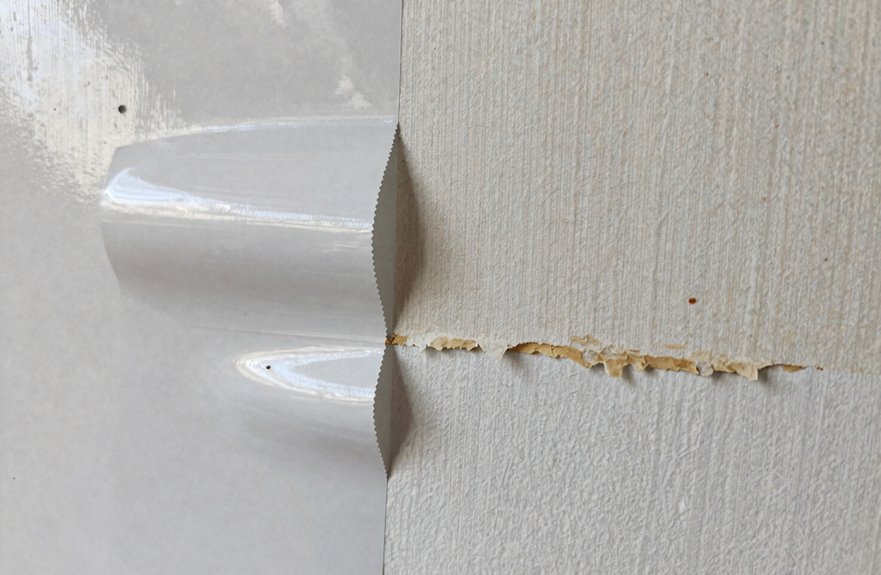
When you’re staring at your walls and ready for a change, removal is where peel-and-stick wallpaper really shines. I just grab a corner and peel. No water, no mess, no tools. Wall smoothness matters though; if your wall prep was sloppy, it might bubble or lift unevenly.
Traditional wallpaper removal is a different process. I’m talking scoring wall surfaces with a PaperTiger tool, then steam loosening the paste for 15-20 minutes per section. Finally I scrape with a plastic putty knife, being careful not to gouge the drywall.
I always test removal by peeling a 2-inch corner first to see how the adhesive behaves. After peel and stick removal, I do quick post-removal cleaning with warm water to catch any adhesive residue. Traditional wallpaper removal leaves significantly more gunk behind.

Brand: Zinsser

IDEAL FOR ALL WALLPAPERS: Two balanced, interwoven scoring heads mounted on a pressure reactive nylon pivot arm- mild pressure for perforating thinner wallpapers, heavier pressure for perforating thicker/textured wallpapers.
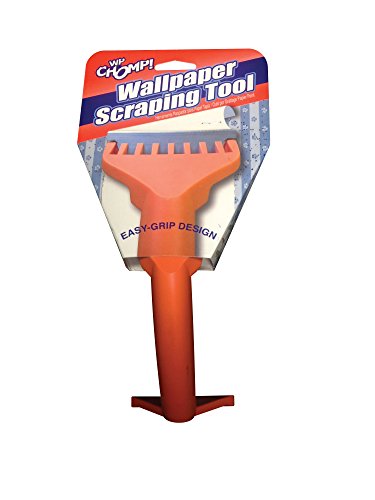
PREMIUM BLADE: Our scrapers come complete with a sharpened, dual edge blade. Sharpening the blade on both sides is an extra manufacturing step but makes removal so much quicker. Dual edge sharpened blades dramatically outperform stamped/forged blades.