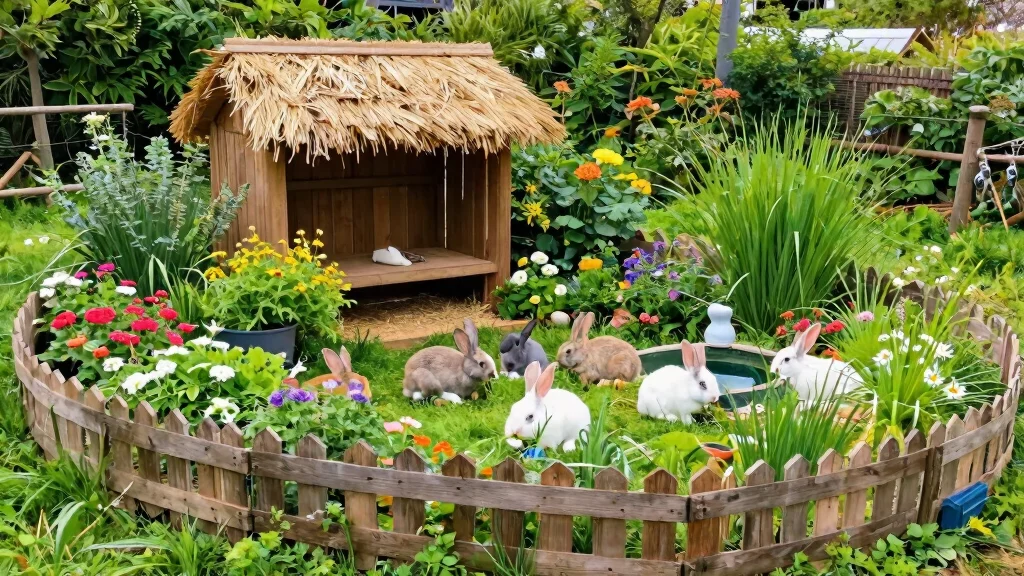
Creating a safe outdoor bunny habitat is essential for any rabbit lover. If you’ve been on a quest to design a space that keeps your furry friends secure from potential predators, you’re in the right place. Armed with knowledge, you can create a cozy haven that not only provides shelter but also enriches your rabbits’ lives. This post is born from a passion for bunnies and a desire to help you keep them safe while giving them the freedom they crave.
If you’re someone who enjoys gardening and wants to integrate bunny-friendly designs into your landscape, this guide is tailored for you. Whether you are a seasoned rabbit owner or new to the world of bunnies, you will find valuable insights here. I’ve compiled a list of 15 outdoor bunny habitat ideas that are practical, versatile, and perfect for creating a safe environment for your rabbits.
From natural rabbit shelters to predator-proof fencing, you’ll learn how to build a space that reflects your love for your bunnies while ensuring their safety. By the end of this post, you’ll be inspired to craft an outdoor bunny habitat that is not only functional but also aesthetically pleasing and enriching for your pets.
Key Takeaways
– Safe Enclosures: Discover various designs for secure outdoor enclosures that protect your rabbits from predators while giving them room to roam and play.
– Natural Shelters: Learn how to create cozy hideouts using natural materials that blend seamlessly into your garden, offering comfort and security to your bunnies.
– Predator-Proof Fencing: Explore different types of fencing options that effectively deter predators, ensuring your bunny habitat remains a safe sanctuary.
– Enrichment Features: Understand the importance of incorporating enrichment zones filled with toys and activities to keep your rabbits engaged and happy.
– Ongoing Care: Get practical tips on regular maintenance and safety checks to ensure your outdoor bunny habitat stays secure and healthy throughout the seasons.
1. Natural Rabbit Shelters
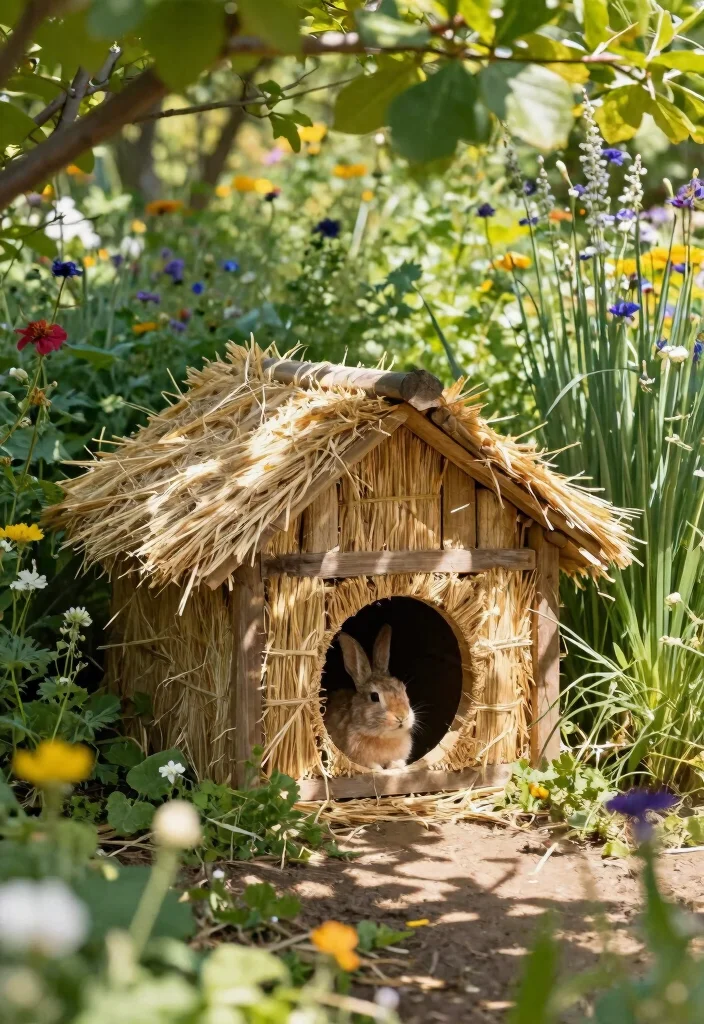
If you’re looking to keep your bunnies safe and snug, natural rabbit shelters are a fantastic choice. You can craft these shelters from materials like wood, straw, or even large stones, allowing them to blend beautifully into your garden. A well-placed shelter offers shade on hot days and keeps them dry during rain.
Think about designing your shelters with a small entrance that only your rabbits can fit through, keeping larger predators out. Lining the inside with soft hay or wood shavings can create a cozy retreat for your furry friends. Here are some tips to consider:
– Position the shelter near dense shrubs for extra cover.
– Ensure proper ventilation while keeping them warm.
– Add multiple shelters for variety and choice.
These natural shelters not only protect your bunnies but also enhance the rustic charm of your garden.

🐹 Protective Liner – This guinea pig cage is designed with a waterproof liner placed outside the frame, effectively preventing pets from chewing and ensuring long-lasting use.

16 ft² Spacious Space: Provides 16 square feet of living area for small animal. Ideal extension of our rabbit cage or independent use. Give small pets freedom to frolic indoors or outdoors
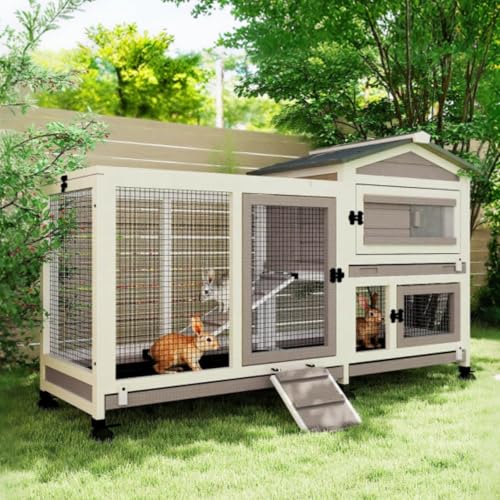
【3 Leak-Proof Pull-Out Trays】 Includes 3 separate deep trays that are completely waterproof. Designed with seamless one-piece molding to prevent any leaks. The smooth plastic surface can be wiped clean in seconds for ultimate ease.
2. Bunny-Friendly Gardens
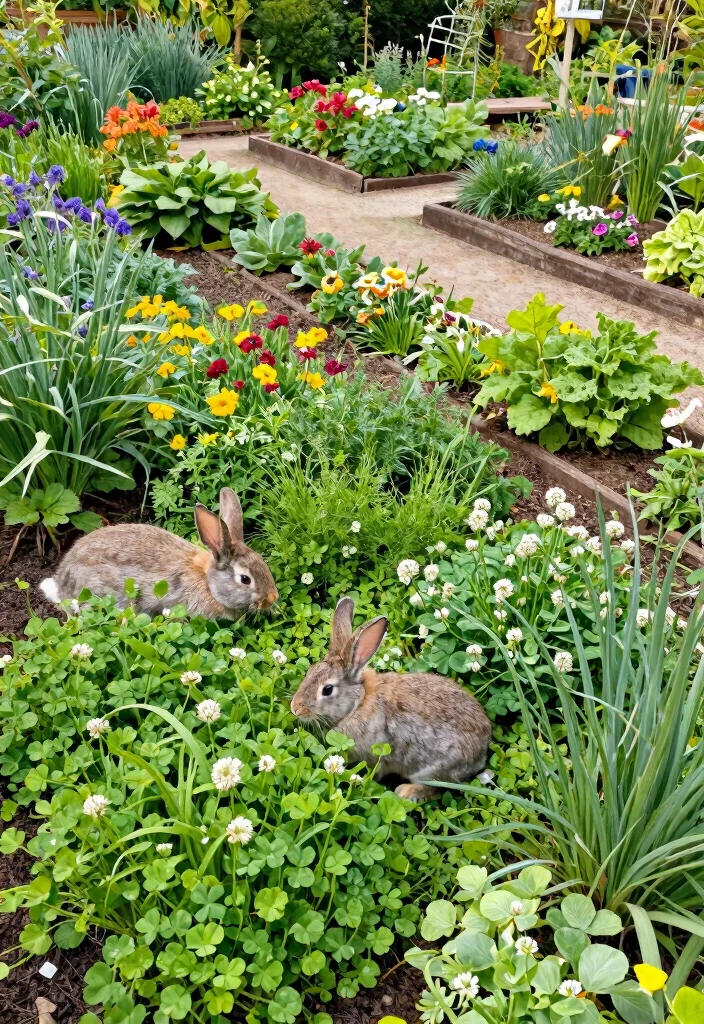
Transforming your garden into a bunny-friendly oasis is both rewarding and beautiful. By incorporating safe, edible plants like clover and dandelion greens, you create a delightful space where your bunnies can forage and play. This setup encourages natural behaviors while ensuring they stay engaged and happy.
Be mindful of toxic plants and steer clear of them in your garden design. Creating raised beds or designated areas for your bunnies to explore can add structure and safety. Consider these ideas:
– Use a variety of textures and heights to stimulate curiosity.
– Create natural tunnels with low shrubs for adventure.
– Set up pathways for safe exploration.
A bunny-friendly garden not only nourishes your pets but also adds vibrant life and color to your outdoor space.
Turn your garden into a bunny-friendly paradise with safe, edible greens like clover and dandelion greens that entice nibbling while raised beds keep critters safe and engaged. Watch your little wanderers explore, forage, and thrive in your outdoor bunny habitat.

1.【Weatherproof Asphalt Roof】: Features a full-length asphalt roof providing reliable protection from sun, rain, and snow. This durable covering shields animals from intense light and harsh weather, making the structure safe for outdoor use year-round. Ideal for rabbits, chickens, guinea pigs, and other small animals needing shelter.

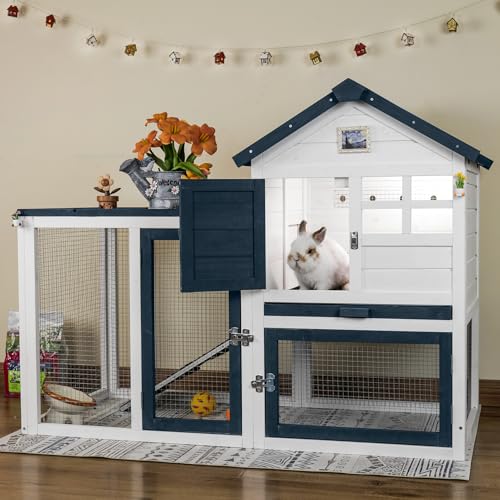
COZY COMFORT: Give your furry friend a wonderful two-story retreat! This bunny hutch features a private sleeping area upstairs and a spacious ground-level play zone for daily adventures
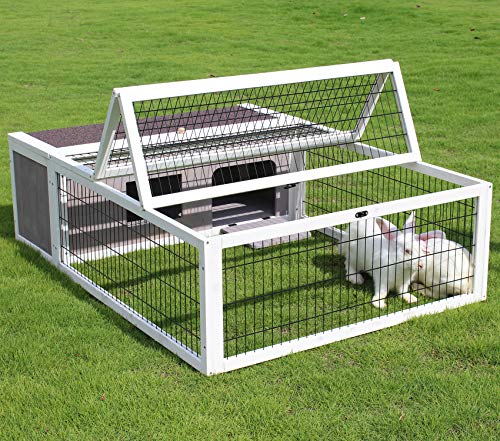
【Spacious Activity Space】 This cute tortoise enclosure is perfect for your little friends—ideal for small animals like guinea pigs, rabbits, chicks, turtle and tortoises. It offers a generous activity area, with outer dimensions of approximately 49" x 36" x 14" and an interior grate space of 13" x 36" x 14", Create a comfortable living environment
How To Choose The Right Outdoor Bunny Habitat
Choosing the right outdoor bunny habitat is crucial for your rabbits’ safety and well-being. When you design their space, consider several factors to ensure a secure and enriching environment. Here are essential criteria to help you make the best choice:
1. Size
The size of the outdoor bunny habitat is vital. Ensure that it is large enough for your rabbits to hop around, stretch their legs, and explore. Ideally, each rabbit should have at least 8 square feet of space in their enclosure. A larger area allows for more activities and reduces stress.
2. Material
Choosing the right materials is key to a safe habitat. Look for sturdy materials like wood, metal, or high-quality plastic. Avoid flimsy materials that can break easily. Ensure that the flooring is safe and comfortable, preferably with soft bedding and a non-slip surface to prevent injuries.
3. Predator-Proof Features
To protect your bunnies from predators, your habitat must have proper security measures. Use strong, welded wire for fencing and ensure that it is buried at least 12 inches underground. Roofs or covers can also prevent aerial attacks from birds and other predators, adding an extra layer of safety.
4. Ventilation
Good ventilation is essential for your rabbits’ health. The habitat should allow fresh air to circulate while keeping your pets safe from predators. Use screens or mesh that are small enough to keep out unwanted visitors but allow airflow. Avoid enclosed spaces that can trap heat and humidity.
5. Enrichment Elements
A stimulating environment is crucial for your bunnies’ happiness. Incorporate tunnels, ramps, and hideouts for them to explore. Adding toys and natural elements like plants and logs can provide mental stimulation and prevent boredom, ensuring a healthy and active lifestyle.
6. Budget
Set a budget for your outdoor bunny habitat. While it’s tempting to go for cheaper options, remember that safety and durability are worth the investment. Compare different materials and designs to find a balance between affordability and quality. Investing in a safe structure will save you money in the long run by reducing the risk of accidents.
Pro Tip: Before finalizing your design, observe your rabbits’ behavior. This can give you insights into what they enjoy and need most in their habitat. Tailoring their space to fit their preferences will create a more satisfying environment for them.

COZY HIDEAWAY: Versatile hideout designed for use inside the home or outdoors, providing a safe, enclosed space for rest, retreat, and relaxation

Satisfies the small animal's natural instinct to hide

Made of durable Plastic igloos are easy to clean and stain resistant
3. Predator-Proof Fencing
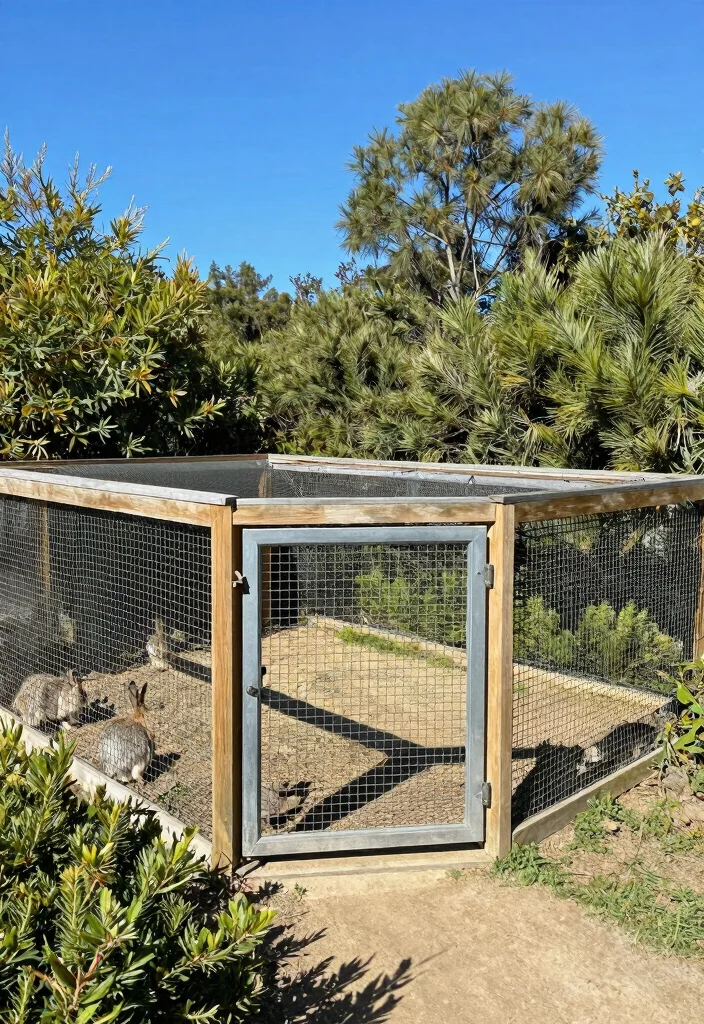
Protecting your bunnies from predators is essential, and predator-proof fencing is your first line of defense. A sturdy fence, ideally 4-6 feet tall, can keep larger threats at bay and give you peace of mind.
Opt for hardware cloth instead of traditional chicken wire for enhanced security. Digging down about a foot can also prevent intruders from burrowing under the fence. Keep these points in mind:
– Choose durable materials to withstand weather.
– Ensure gates close securely and are lockable.
– Regularly inspect for any wear or damage.
Investing in quality fencing is crucial for keeping your bunnies safe while they enjoy their outdoor space.

High-Quality Anti-Rust Process This hardware cloth is made from high-strength low-carbon steel wire, combining excellent strength with flexibility. After precision welding, the entire product undergoes a premium anti-rust treatment—hot-dip galvanization—with special reinforcement at all seams and corrosion-prone areas to ensure uniform, dense coating and outstanding rust resistance. This process grants the product superior weather resistance, making it an ideal choice for wire mesh fencing and long-term outdoor applications.
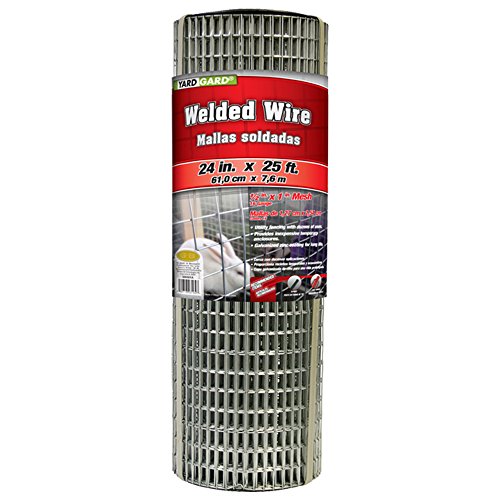
WELDED WIRE FENCE ROLL FOR SMALL ANIMAL CONTAINMENT AND GARDEN PROTECTION – 1/2 in. x 1 in. mesh galvanized welded wire fence roll designed for rabbit fencing, chicken coops, cage wire, and garden protection, helping contain small animals while preventing pests and wildlife from entering fenced areas.

WELDED WIRE FENCE ROLL – 1 in. x 1 in. mesh galvanized welded wire fence roll designed for rabbit fencing, chicken coops, cage wire, garden fencing, and small animal enclosures.
4. Cozy Hideouts
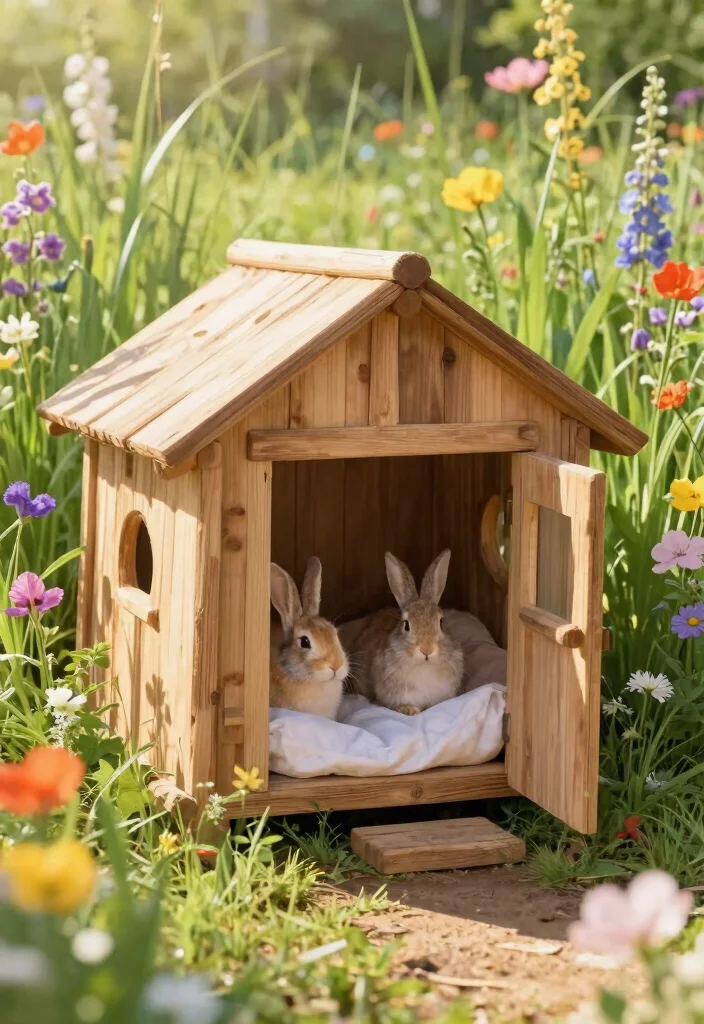
Bunnies thrive in environments where they can hide and feel secure. Creating cozy hideouts using wooden boxes, tunnels, or natural logs can greatly enhance their sense of safety. Distributing these hideouts throughout their habitat encourages exploration and playtime.
Ensure the interiors are dark enough to feel secure yet remain clean and ventilated. Adding soft bedding or straw can make them even more inviting. Here are some tips:
– Provide multiple hideouts to reduce territorial disputes.
– Keep them accessible and protected from harsh weather.
– Observe which hideouts your bunnies prefer.
Cozy hideouts not only safeguard your bunnies but also promote natural behaviors and reduce stress.

Safe: Crafted from high-quality wood, our rabbit toys are finely polished for sturdiness and resistance to biting. With smooth edges designed to prevent harm to your small pets, they provide peace of mind while your furry friends play.

【20 PCS SET】1x apple wood molar string,1x timothy cake string,2x loofah toys,3x timothy grass ball with flowers, 1x rabbit shape grass cake,5x grass sticks,2x woven carrots,4x rattan balls
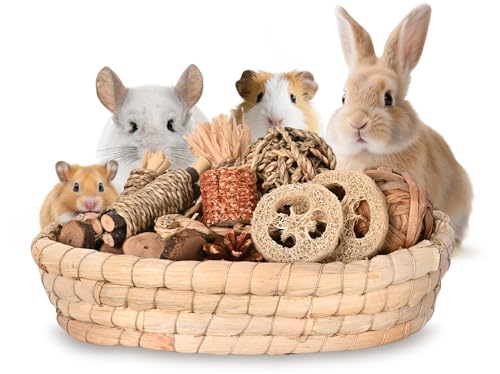
31 Pcs Various Chew Toys: The set includes 2 Seagrass-Wrapped Sweet Bamboo Sticks, 2 Seagrass-Wrapped Apple Sticks, 1 Paper Raffia, 2 Apple Wood Blocks, 2 Sweet Bamboo Sticks, 2 Apple Sticks, 4 Corn Husks, 2 Loofah Slices, 2 Papaya Wood Sticks, 2 Seagrass Twists, 1 Woven Seagrass Carrot, 1 Corn Cob, 1 Hyacinth Ball, 1 Seaweed Ball, 1 Pine Cone, and 1 Grass Bed.
5. Enrichment Zones
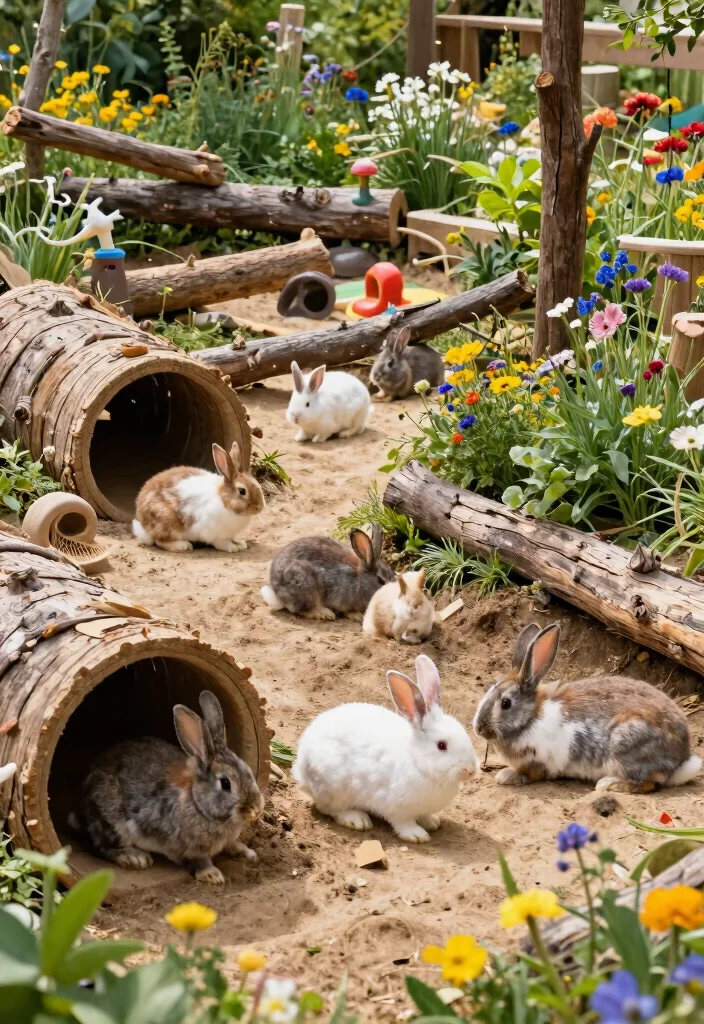
Creating enriching zones in your bunny habitat is key to keeping your rabbits mentally stimulated and joyful. This can include cardboard tunnels, digging pits with clean soil, or sensory gardens filled with herbs and textures.
Bunnies are naturally curious, and providing them with these exploration opportunities keeps their minds sharp and engaged. You can also use branches and logs to craft climbing structures. Here are some ideas:
– Rotate toys to keep the environment fresh and exciting.
– Utilize various materials like grass mats or sand.
– Observe your bunnies to tailor their enrichment based on their preferences.
Enrichment zones turn ordinary spaces into bunny playgrounds, encouraging physical activity and mental engagement.

Spacious & Well‑Ventilated Small Pet Enclosure: Measuring 62"L x 22.6"W x 33.5"H with 10.93 square feet living space, this large rabbit hutch accommodates rabbits, guinea pigs, chinchillas and ferrets. Durable wire mesh ensures safety and steady airflow, creating a cozy ventilated habitat for small pets all year round
Paw-Safe & Comfy: This indoor bunny hutch features a paw-friendly wire floor (0.43" spacing) to prevent sore hocks, plus a non-slip ramp mat for safe climbing. A truly caring bunny hutch indoor

【Upgraded Double Door Design】: This large chicken coop features two up and down lockable doors, make to separate feeding port to prevent escapes, making it safe for animals and easy for everyone to use. No more chickens escaping during feeding! The upgraded version has provided more zip ties to make the coop more secure, added additional ground stakes at frame corner joints.
6. Water Features
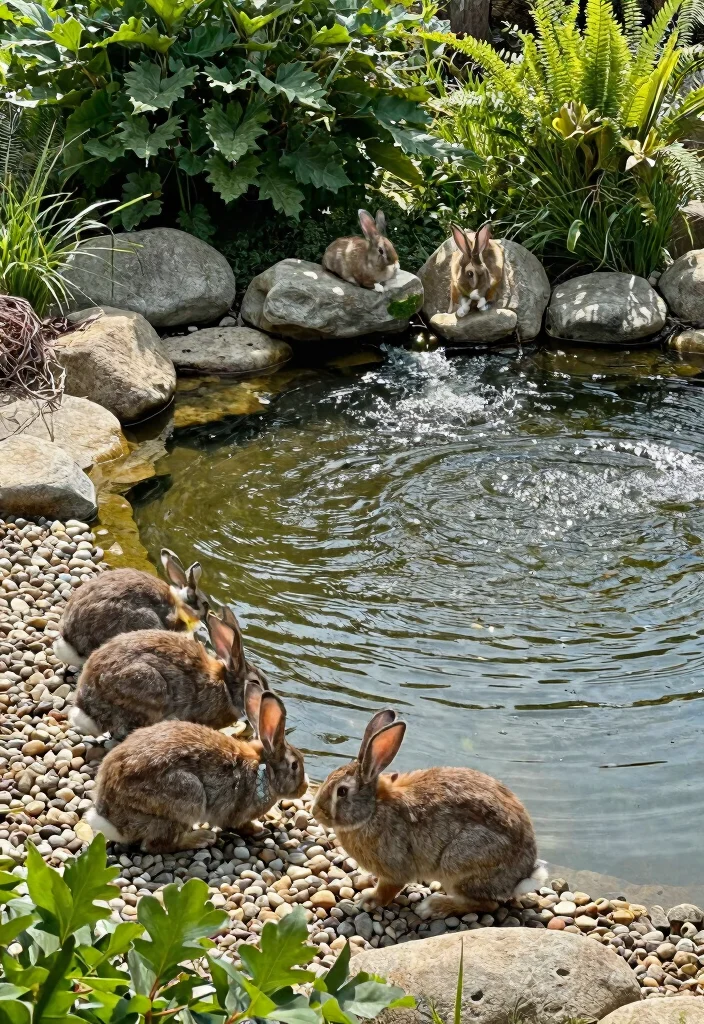
Adding a water feature to your bunny habitat not only beautifies the space but also meets practical needs. A small pond or fountain can serve as a refreshing drinking spot, enhancing the overall aesthetic of your garden.
Ensure the water is shallow enough for safe access, and consider including safe aquatic plants to make the area more inviting. Here are some tips for safe water feature incorporation:
– Make sure edges are stable to prevent injuries.
– Clean the water regularly to avoid algae growth.
– Add pebbles for bunnies to sit on while drinking.
Water features create a soothing ambiance while merging functionality with beauty.

Divided Living Spaces for Comfort: The two-level rabbit hutch with a gentle ramp provides a cozy sleeping area upstairs and a spacious 7.5ft² run below, giving your bunnies the choice of a quiet nap or a good run-around
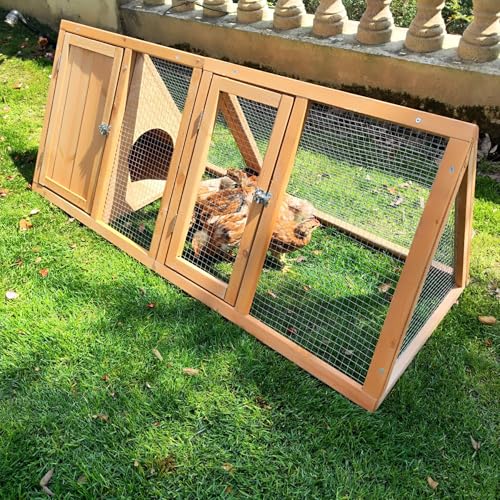
【Portable Chicken Runs】Outdoor chicken run made of sturdy metal wire mesh, forming a stable triangular support that prevents the poultry cage from swaying collapsing.The bunny house weighs 14.5 lbs,and seniors can also move him anywhere on their own.

Easy Transport: Move your bunny house swiftly, letting the wheels do the work. With its easy-to-move design, our wood bunny rabbit cage is a four-wheeled friend of portability. From rolling your furry friend into the sunlight to rearranging things, the wheels and handle ensure convenience.
7. Elevated Platforms
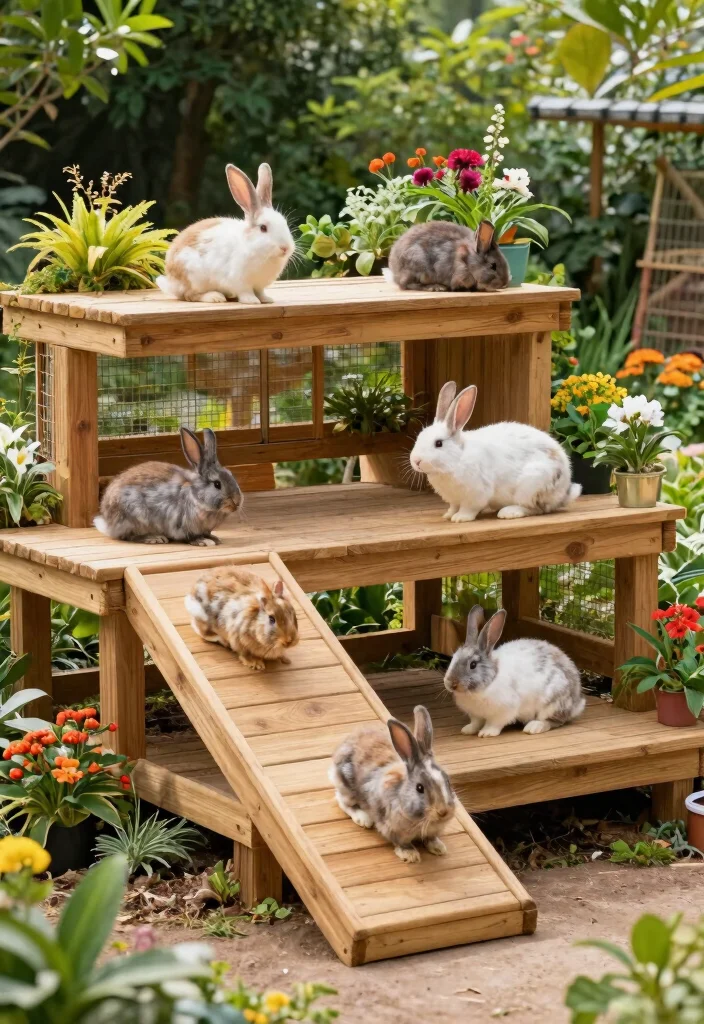
Elevated platforms add vertical space to your bunny habitat, making it exciting for exploration and climbing. Simple wooden decks or multi-level structures can provide your rabbits with a fun area to enjoy.
Bunnies love high spots for safety and panoramic views of their surroundings. Ensure these platforms have safe access through ramps or ladders. Here are some considerations:
– Use non-slip materials to keep them safe.
– Include access to hideouts for comfort.
– Decorate with safe plants for added appeal.
Elevated platforms stimulate natural climbing behaviors while providing a playful environment for your bunnies.

EDIBLE HIDEOUT FOR SMALL PETS – Hand-woven from 100% Timothy hay, this edible rabbit and guinea pig hideout doubles as a chew toy and safe retreat. Perfect for guinea pigs, chinchillas, and small rabbits, it encourages hiding, nesting, chewing & foraging.

Yesland's Wooden rabbit hideout provide endless fun for your pets. The size of bunnies castle: 16.1” (L) x 12.6”(W )x 12.6” (H). Give enough space for the bunny, cats, adult guinea pigs, hamsters, chinchilla, ferrets and various small animals to play, hide, rest and sleep in it.

🐰【Premium Safety Materials】Our large wooden rabbit house and hideouts is made of high-quality safety plywood. Provide your dear pet with a natural sense of security to play, hide, rest and sleep.
8. Secure Spaces for Playtime
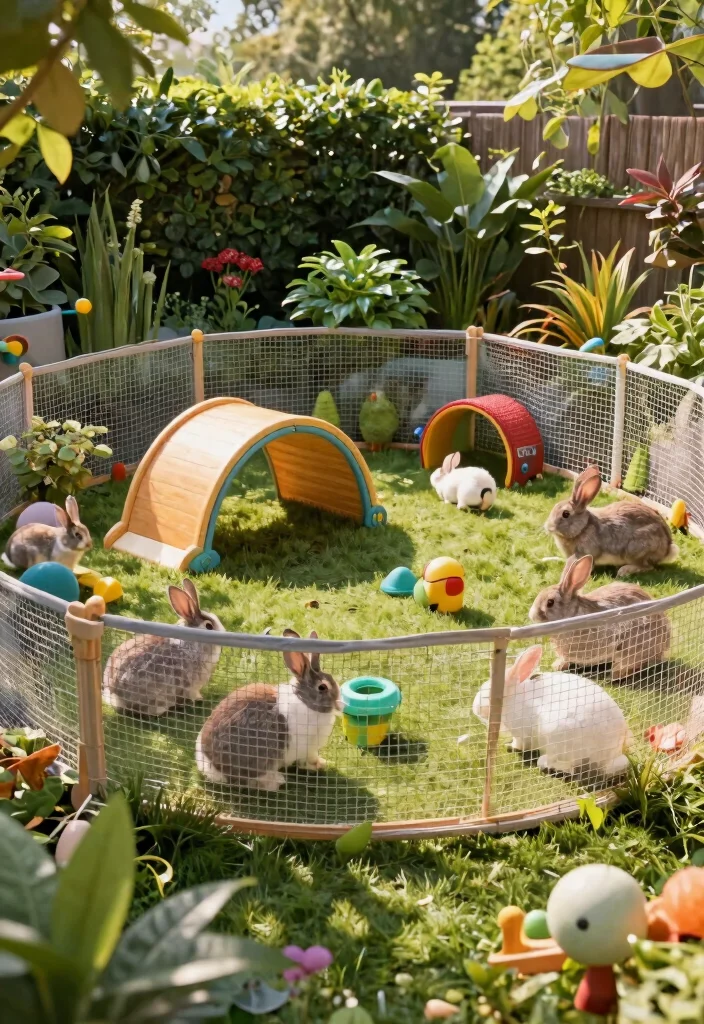
Creating secure play spaces for your bunnies ensures their safety while allowing for fun and exercise. These areas can be fenced sections of your garden or enclosed with netting for added protection.
Choose locations that offer shade and natural barriers to keep predators away. You can also design obstacle courses with tunnels, ramps, and toys for added excitement. Some tips include:
– Supervise playtime to ensure safety.
– Rotate toys to keep them engaged.
– Create areas for active play and quiet resting.
Secure play spaces provide peace of mind while allowing your bunnies to explore and enjoy their environment.
❝ Did you know a well-designed outdoor bunny habitat can cut stress by half? Secure play areas with shade, fencing, and mindful supervision let rabbits explore safely while you enjoy watching their curiosity unfold. ❞

【High quality raw materials】Our hardware cloth chooses the strength, toughness and ductility of low carbon steel wire as the inner core. This determines the basis of the high quality of our products.

STURDY AND DURABLE: Constructed from 304 stainless steel with precision welding and reinforced weld joints for reliable strength and long-lasting performance. Designed to resist deformation under normal use and suitable for indoor and outdoor applications.
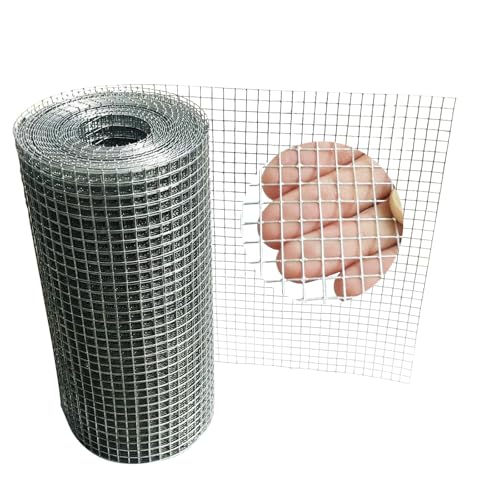
Premium Low-Carbon Steel Construction: Crafted from high-quality low-carbon steel wire for exceptional strength, toughness, and durability. The robust inner core ensures long-lasting performance in all outdoor conditions, making this the ideal choice for demanding applications
9. Natural Shade Structures
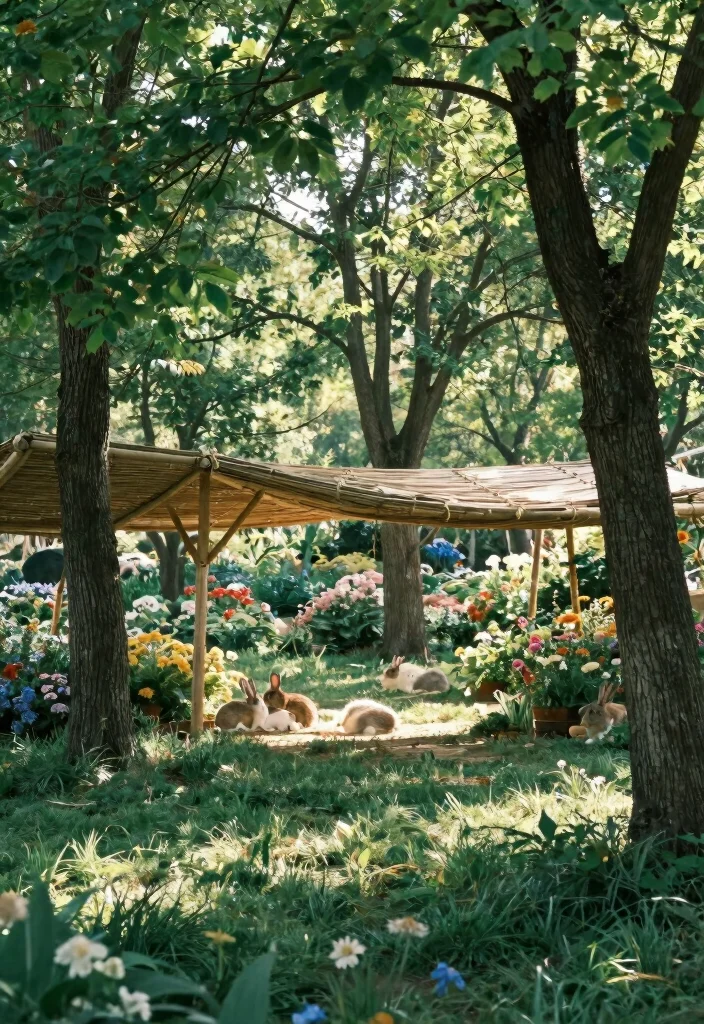
Bunnies need protection from harsh weather, and natural shade structures provide a comfortable environment. Tall plants, trees, or canopies can shield them from sun and rain, ensuring their well-being.
Shade helps keep bunnies cool on hot days and dry during wet conditions. When setting up shade structures, ensure they are stable and provide adequate coverage. Here are some ideas:
– Plant safe shade trees like mulberry or willow.
– Use natural materials like bamboo for canopies.
– Combine shaded areas with spots for sunlight.
Natural shade structures enhance your garden’s beauty while ensuring your bunnies have a cozy living space.

🌴【100% Natural Materials】All rabbit chew toy balls are made of natural materials and hand woven. The rolling balls use natural seaweed, rattan, corn husks, Timothy grass, etc, which are safe for your pet and can be used with confidence.

【Cover Core Needs of Bunnies】 This value set includes 25pcs various natural rabbit chew toys and 2pcs 19”x12” sisal scratch & nesting mats, satisfies teeth care, claw care & nesting comfort in one bundle, saving your time and money on separate purchases
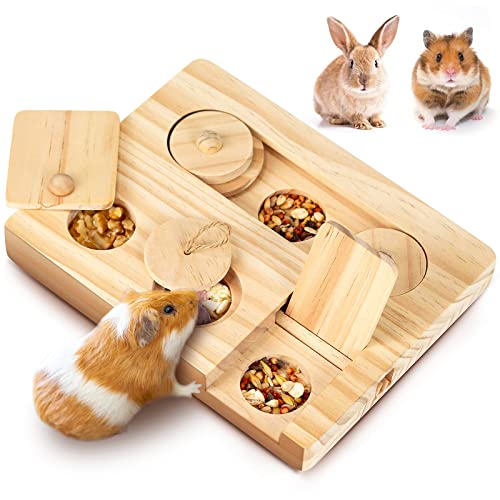
【SMALL ANIMAL PUZZLE GAME】Guinea pigs beignner love this accessories, the hamstersgame of SPIN & SLIDE, HIDE, & SEEK highly interested. The guinea pigs accessories game can highly encourage pet's natural foraging instincts. Guinea Pig would get exciting and active , they don’t feel bored.
10. Seasonal Adaptations
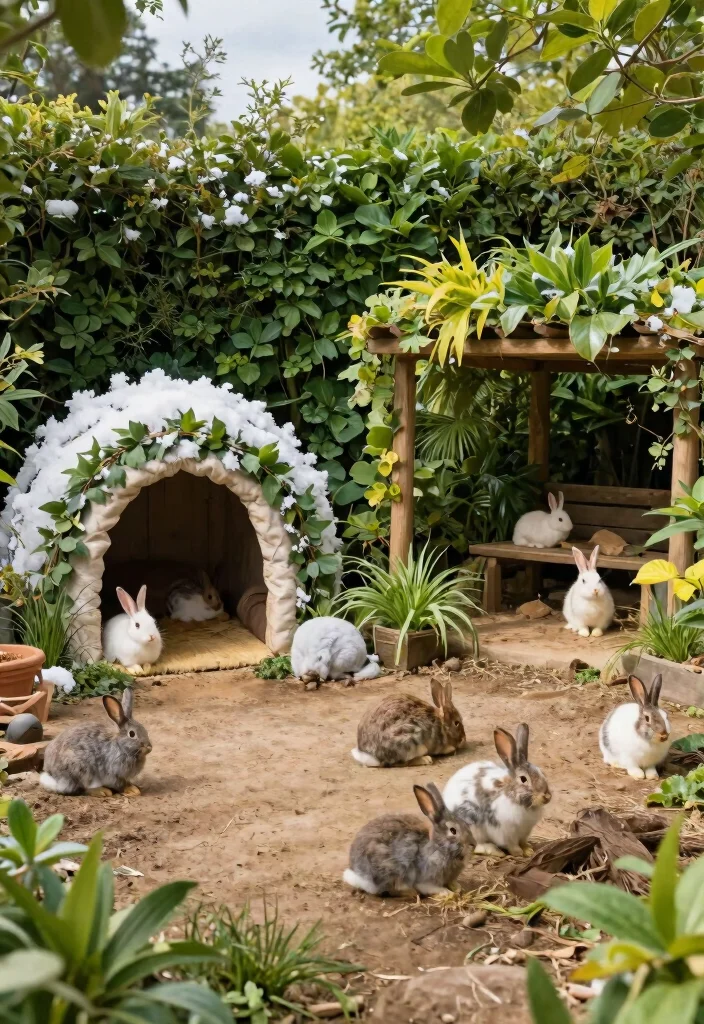
Adapting your bunny habitat to seasonal changes is vital for their comfort and safety. In winter, insulated shelters and wind barriers can keep them warm, while summer requires plenty of shade and hydration.
Rotate bunny-safe plants according to the season to keep the garden inviting year-round. Here are some adaptation tips:
– Insulate shelters with straw during colder months.
– Create shaded areas with dense plants for summer.
– Adjust fencing to account for local wildlife.
Seasonal adaptations ensure your rabbits thrive while keeping your habitat vibrant and functional.
11. Compost Bins for Natural Fertilizer
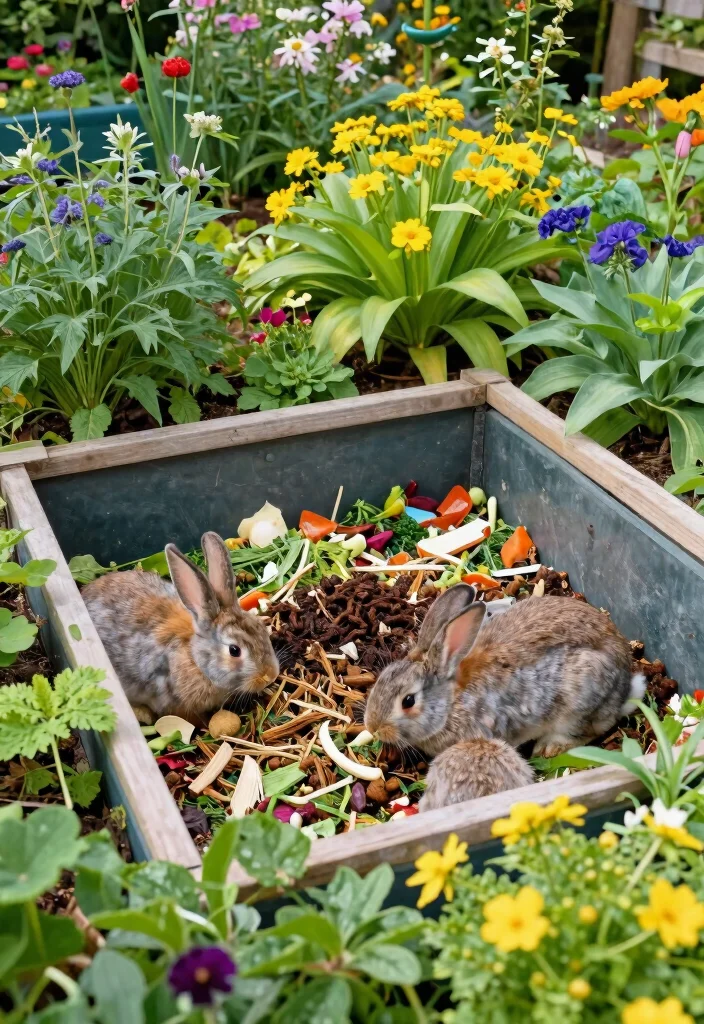
Incorporating compost bins into your bunny habitat promotes sustainability and benefits your garden. Bunnies produce organic waste that can be composted to create nutrient-rich soil for your plants.
Place the compost bin near the habitat for easy access, making sure it’s secure from scavengers. You can compost bunny droppings along with kitchen scraps and garden waste. Here are some effective composting tips:
– Balance green and brown materials for best results.
– Turn compost regularly to aerate.
– Monitor moisture levels for optimal decomposition.
Composting enriches your garden while fostering a sustainable environment for both plants and bunnies.
Fun fact: rabbits’ droppings are rich in nitrogen—perfect for compost when balanced with greens. In your outdoor bunny habitat, place a secure compost bin nearby and turn it weekly for nutrient-rich soil you can mix back into garden beds.
12. Herb Gardens for Snacking
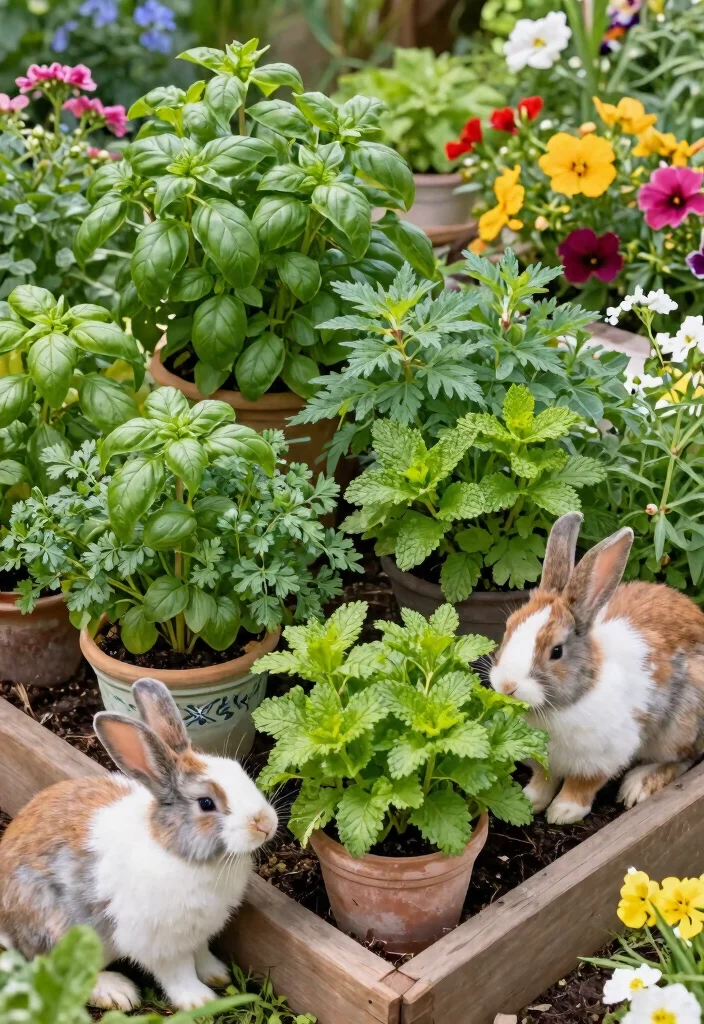
Establishing a dedicated herb garden within your bunny habitat is a delightful way to provide fresh snacks while beautifying your space. Herbs like basil, parsley, and mint are safe for rabbits and offer health benefits.
Planting them in an accessible area encourages foraging, keeping your bunnies mentally stimulated and satisfied. Consider raised beds or pots for planting, which can keep pests at bay. Here are some helpful hints:
– Choose a sunny spot for optimal growth.
– Trim regularly to promote fresh growth.
– Avoid pesticides or harmful chemicals in the area.
Herb gardens create a fragrant, beautiful environment while providing nutritious snacks throughout the seasons.
13. Rabbit-Safe Decorative Features
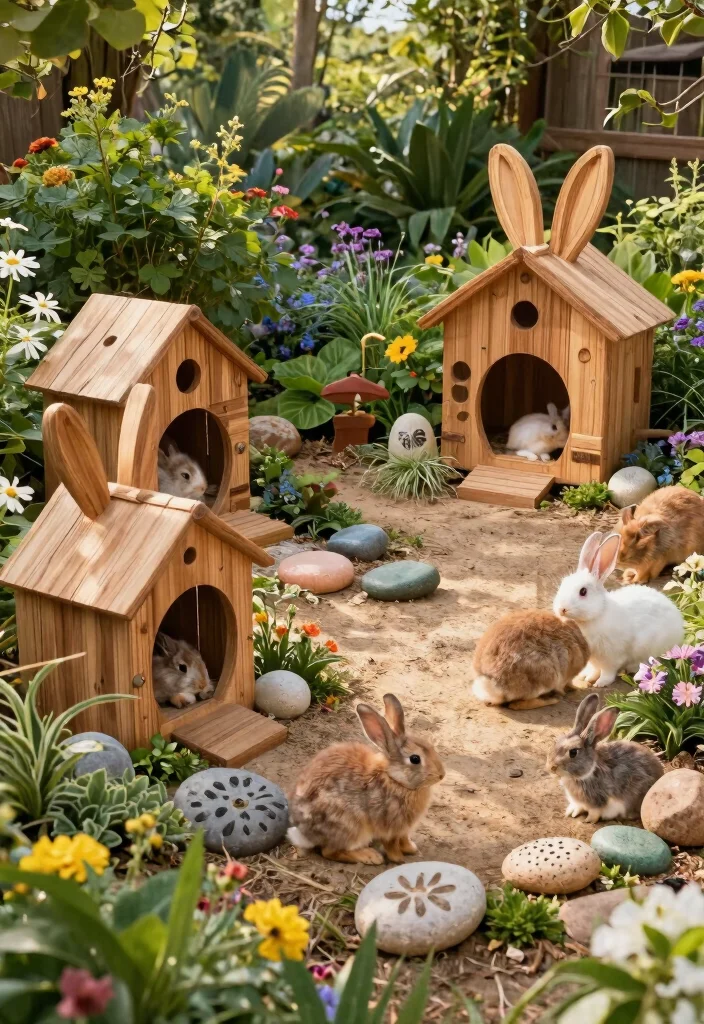
Enhancing your outdoor habitat with rabbit-safe decorative features not only beautifies the space but also ensures the safety of your bunnies. Choose decorations made from natural materials like wood or stone that won’t harm them.
Consider features such as decorative stones, wooden sculptures, or safe garden ornaments to fit the natural vibe of your garden. Keep away from glass or sharp objects. Here are some suggestions:
– Use fencing with an open design for visibility and security.
– Avoid toxic plants or harmful decorative items.
– Incorporate playful features like tunnels or climbing structures.
These decorative elements enrich the habitat while keeping your bunnies safe and happy.
14. Companion Animals
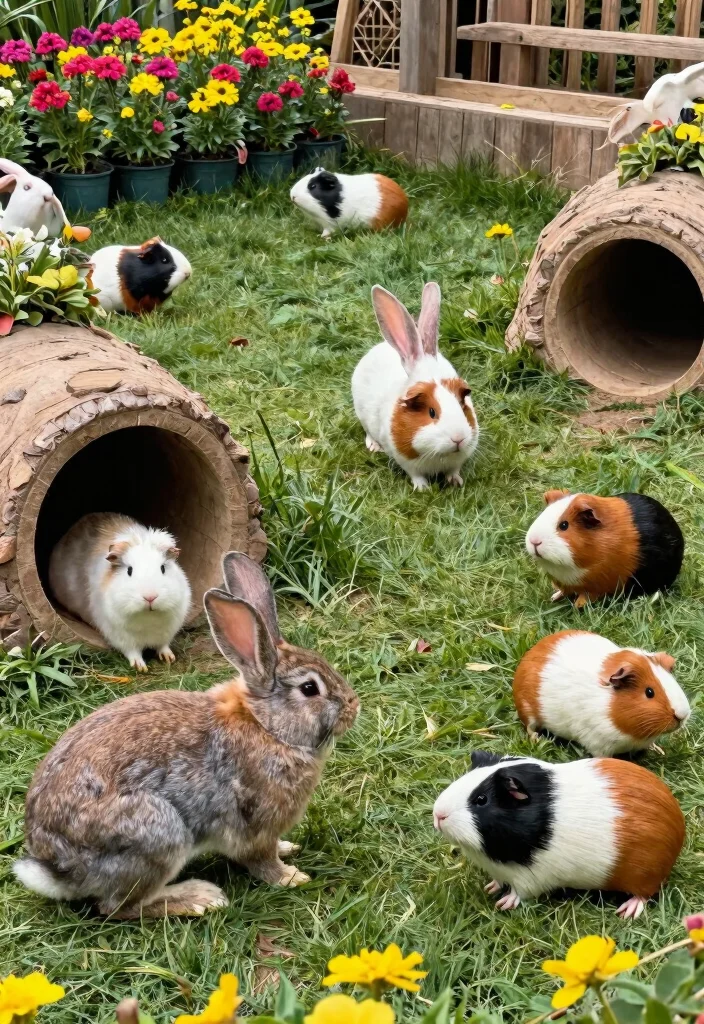
Introducing compatible companion animals into your bunny habitat can create a lively and engaging environment. Animals such as guinea pigs or friendly small dogs can coexist with bunnies when closely monitored.
It’s essential to ensure all animals are well-socialized to minimize stress and provide separate areas for retreat if needed. Here are some tips for introducing companions:
– Start with supervised introductions in neutral spaces.
– Provide separate feeding areas to prevent competition.
– Monitor interactions for signs of stress or aggression.
Companion animals enrich your bunnies’ lives, adding social dynamics and a sense of community.
15. Regular Maintenance and Safety Checks
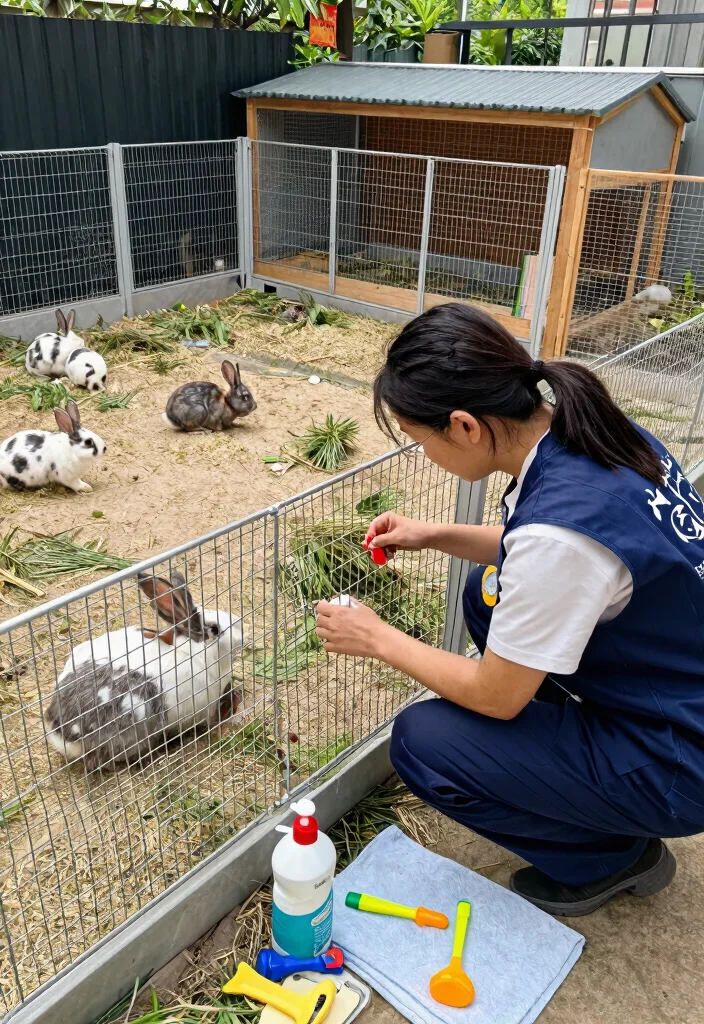
Maintaining your outdoor bunny habitat through regular checks is crucial for their long-term health and security. Schedule routine inspections of fences, shelters, and overall cleanliness to keep everything in perfect condition.
Look for wear or damage and address issues promptly to avoid safety risks. Keeping the habitat clean by regularly removing waste and old food is essential for preventing pests. Here are some maintenance suggestions:
– Create a checklist for weekly and monthly inspections.
– Keep records of repairs or updates made.
– Involve everyone in the family for a fun experience.
By prioritizing maintenance, you ensure a safe and happy environment for your beloved bunnies.
Conclusion
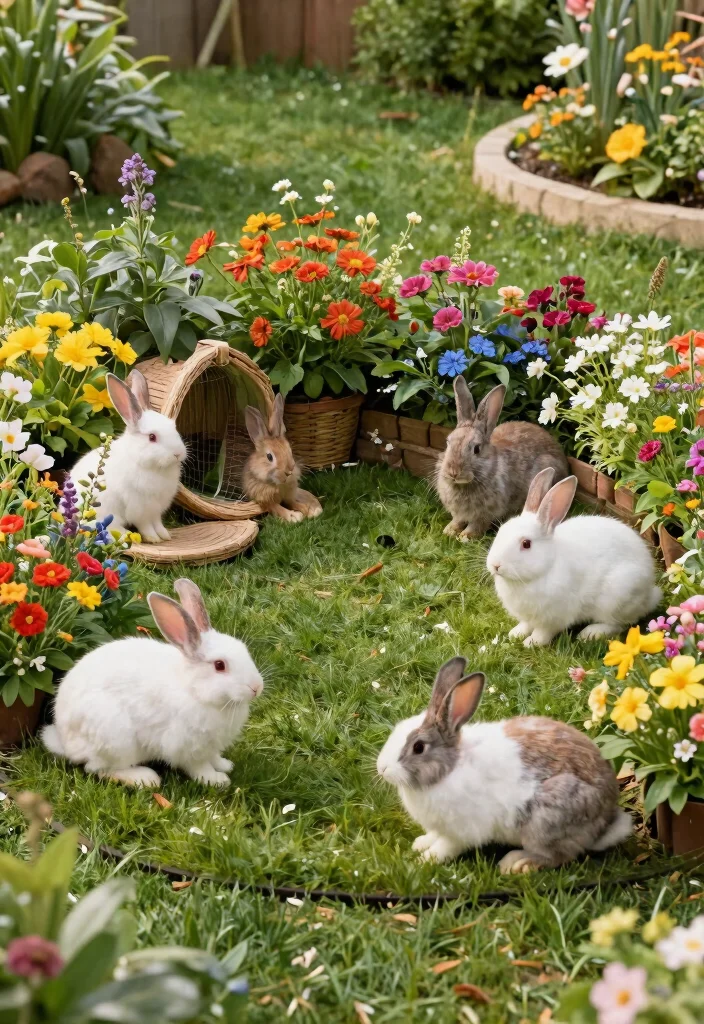
Designing an outdoor bunny habitat that prioritizes safety and happiness is a rewarding endeavor for any rabbit lover. By integrating natural elements, protective features, and enrichment opportunities, you create a vibrant space for your bunnies to thrive.
Embrace the beauty of sustainable gardening while keeping your furry friends secure and content. Consider these creative ideas as you embark on your own bunny habitat journey.
Note: We aim to provide accurate product links, but some may occasionally expire or become unavailable. If this happens, please search directly on Amazon for the product or a suitable alternative.
This post contains Amazon affiliate links, meaning we may earn a small commission if you purchase through our links, at no extra cost to you.
Frequently Asked Questions
What makes a predator-proof outdoor bunny habitat design effective?
An effective outdoor bunny habitat starts with predator-proof fencing and a secure, escape-proof enclosure. Use small-mesh hardware cloth (1/2 inch to 1 inch) and bury it 6 to 12 inches underground, plus a ground skirt to deter digging.
Include a locked, predator-resistant access point and a shaded, sheltered area where rabbits can retreat. Add natural rabbit shelters such as dense brush piles or wooden tunnels to increase security and comfort. For outdoor bunny habitat design, balance open grazing space with safe cover, and regularly inspect for gaps, chew points, or rust. Quick checks after rain or wind can catch problems early.
How can I design a rabbit-friendly garden that stays safe from predators?
Make your garden welcoming for rabbits while keeping dangers at bay by blending greenery with shelter. Plant dense, low-growing cover and use hedges or brush piles as natural rabbit shelters. Surround veggie beds with predator-proof fencing or netting, burying at least 6 inches to prevent digging. Incorporate rabbit-friendly gardens elements like safe forage and shade, and keep pets and strong predator scents away from the rabbits’ area. An integrated outdoor bunny habitat design leaves space for grazing, digging, and hopping, all within a secure perimeter.
What are practical, budget-friendly safe outdoor enclosures for rabbits?
Start with modular panels or a pre-made run that’s safe outdoor enclosures—look for 1/2 inch hardware cloth, sturdy frames, and secure latches. Build a two-zone setup: a predator-proof run for exercise and a cozy, sheltered hutch inside a protected space. If you’re on a budget, repurpose old cages by lining them with predator-proof fencing, and use tarp or shade cloth to protect from sun and rain. Remember to bury fencing 6 to 12 inches and secure the edges so rabbits can’t squeeze out or predators can’t squeeze in. Easy cleaning improves health in any outdoor bunny habitat.
How should I design bunny habitat to allow exercise and grazing while staying predator-safe?
Plan a layout that gives rabbits room to hop and graze but keeps threats at a distance. Use a shaded run with solid ground cover, a separate grazing patch, and natural rabbit shelters along the way. Place the enclosure near natural windbreaks but keep access points reinforced with predator-proof fencing. Sprinkle hidey-holes and tunnels so rabbits can explore without exposing themselves. Keep the overall outdoor bunny habitat design soft-edged and garden-friendly, blending safety with enjoyment.
What maintenance tips help keep predators away and habitat healthy year-round?
Regular upkeep is key. Inspect fencing and latches weekly for gaps or chew marks, and repair any damage immediately. Clear vegetation away from the fence line to reduce hiding spots for predators, and trim plants that could be used to climb. Clean water and feeding areas daily to avoid attracting pests. Rotate grazing zones to prevent overgrazing and support sustainable bunny habitat design. In winter, provide insulated shelters and shade in summer to maintain a comfortable, predator-safe outdoor bunny habitat.
Related Topics
outdoor bunny habitat
rabbit-friendly gardens
predator-proof fencing
natural rabbit shelters
safe outdoor enclosures
bunny habitat design
sustainable gardening
DIY bunny homes
easy rabbit care
pet-safe landscaping
garden design tips
beginner bunny owners